Only 8.6% of reported rapes in South Africa result in convictions
By the AFREEQUE newsroom, based on TimesLIVE
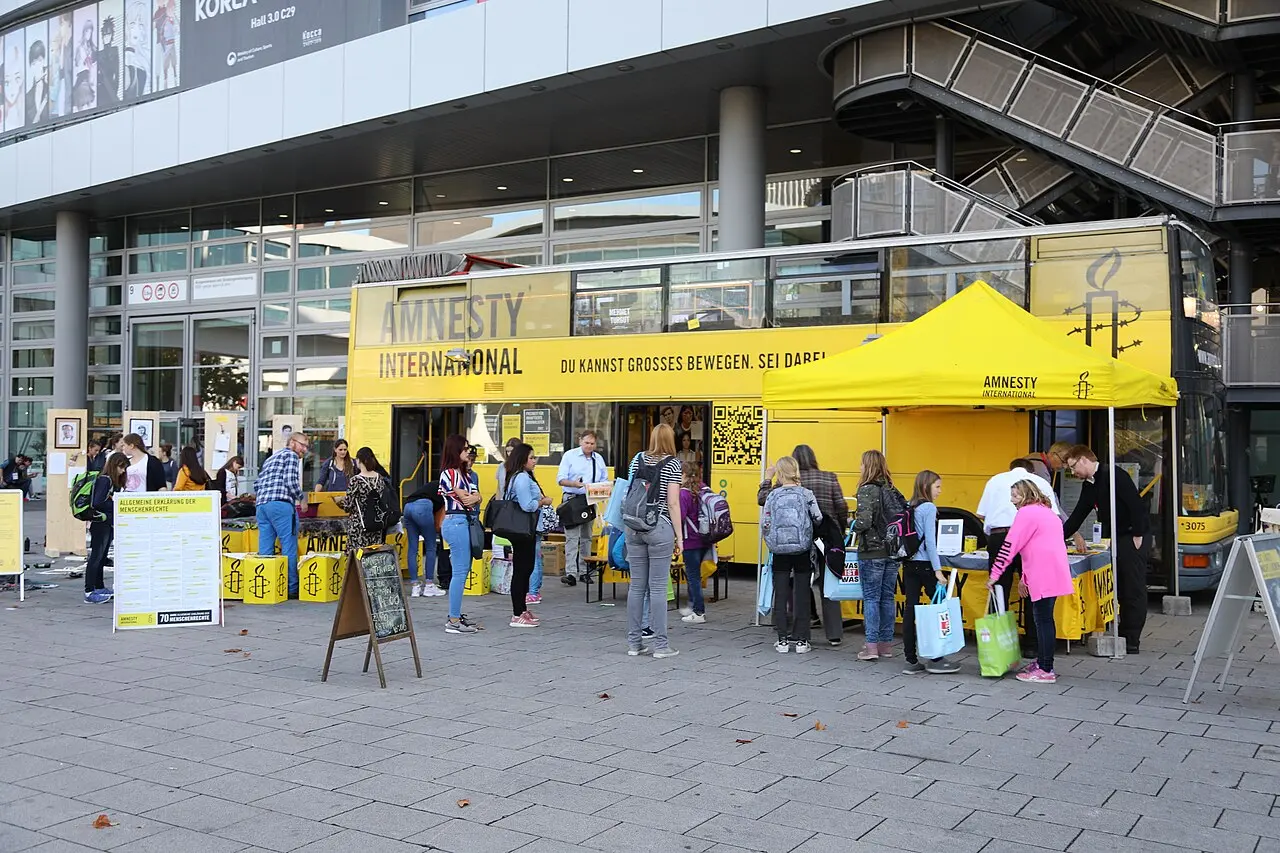
An Amnesty International report reveals that many rape complaints in South Africa are discontinued before trial. Of 3,952 cases examined, police close 35%, prosecutors reject 31%, and only 8.6% result in a conviction, according to the investigation conducted in 2025 and 2026.
In South Africa, only 8.6% of the 3,952 rape cases recorded as part of a study resulted in convictions for sexual offences. Amnesty International established this rate in its report on the obstacles faced by victims in the South African justice system. The organisation notes that 35% of cases were closed by police, 31% were dismissed by prosecutors and 16% were removed from court rolls. Only 19% of the cases examined reached the trial stage.
These findings contrast with the 74.8% conviction rate reported by South Africa’s Department of Justice for sexual offences. This indicator concerns only cases that reached a verdict, whereas Amnesty’s calculation takes into account all complaints initially filed. The South African Police Service (SAPS), for its part, recorded 40,475 rapes during the 2024-2025 financial year, equivalent to around 110 reports a day.
Amnesty’s investigation is based in particular on interviews conducted between 2025 and 2026 with nine rape survivors, eleven civil society organisations, fourteen specialists and five officials from the justice system. Victims report being questioned by police officers about their clothing, alcohol consumption or relationships with suspects, instead of being informed of their rights and the available protection measures. One woman explained, in particular, that an officer asked her why she wanted to file a complaint against her husband.
The report also highlights shortcomings in the follow-up of investigations. Survivors describe police officers failing to act on information that could help identify suspects, cases being closed without explanation and missed appointments with investigators. Delays in analysing genetic evidence are another obstacle. A parliamentary response published in July reported 228,017 DNA entries exceeding internal processing deadlines, including 62,975 relating to gender-based violence cases.