One in four women cannot refuse sex with their partner
By the AFREEQUE newsroom, based on The Guardian
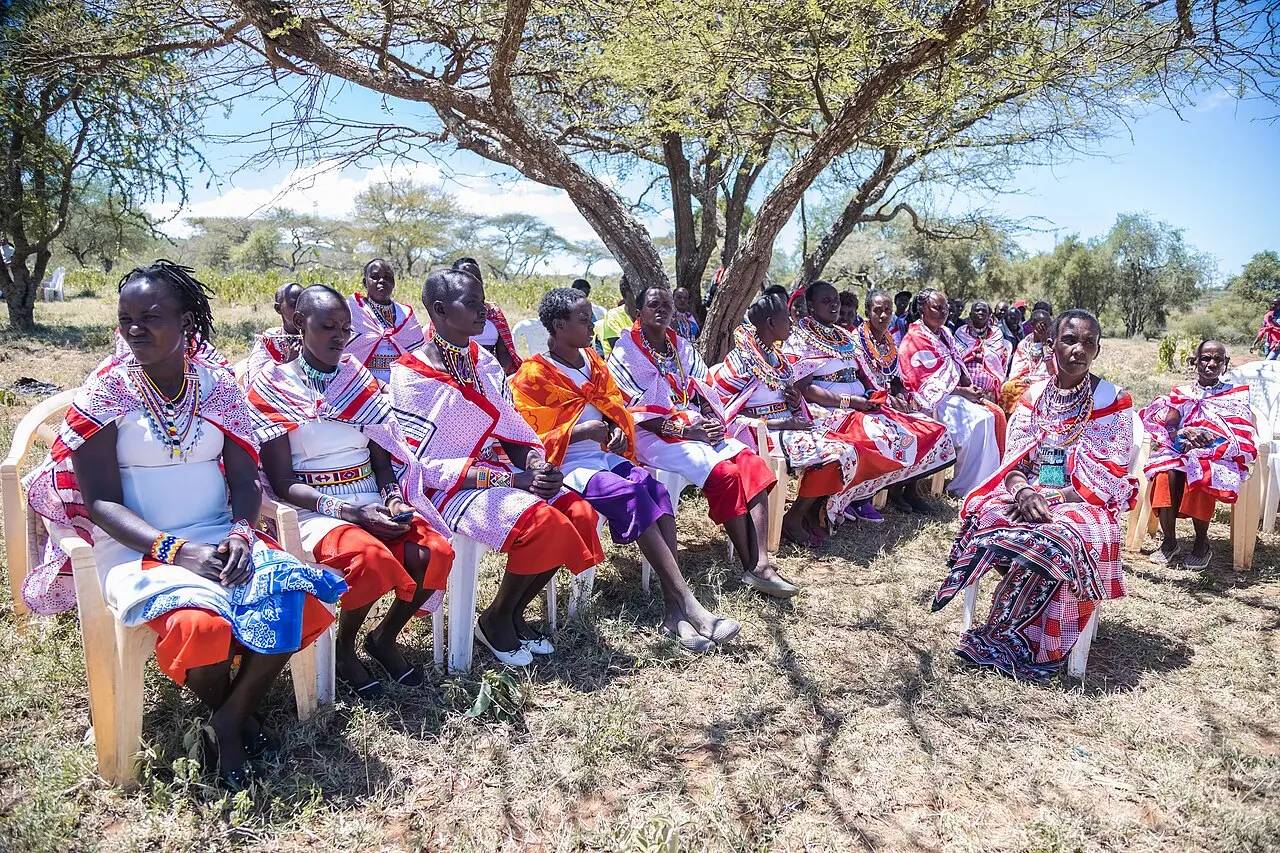
According to a report by the United Nations Population Fund (UNFPA), one in four women worldwide cannot refuse sexual intercourse with their spouse. In West and Central Africa, nearly half of women are in this situation, while those aged 15-19 have less freedom than women aged 45-49.
A report by the United Nations Population Fund (UNFPA), published on Thursday 19 November, estimates that one in four women worldwide cannot refuse a sexual relationship requested by their husband or partner. The proportion reaches 45% in West and Central Africa, compared with 33% in East and Southern Africa and the Arab States. It stands at around 10% in Latin America and the Caribbean.
Adolescent girls aged 15-19 are less likely to have this freedom than women aged 45-49, according to a comparison covering eight countries: Angola, the Democratic Republic of the Congo, Kazakhstan, Malawi, Mali, Nigeria, Tajikistan and Zambia. These findings are consistent with research indicating a high prevalence of intimate partner violence experienced by adolescent girls.
Jean-Paul Murunga, a lawyer with the international women’s rights organisation Equality Now, believes national laws must provide better protection for victims of marital rape. The Maputo Protocol, a treaty adopted by the African Union in 2003, recognises women’s right to freely consent to marriage and sexual relations, as well as their right to protection from violence.
According to a report published by Murunga in 2024, seven African countries, including Ivory Coast, Ethiopia and South Sudan, explicitly exempt husbands from prosecution for marital rape. In Tanzania and Eritrea, the criminalisation of these acts is limited to couples who do not live together. These provisions also leave married girls insufficiently protected in countries where child marriage remains permitted.