Nadella explains Microsoft’s 60,000 voluntary departures through AI
By the AFREEQUE newsroom, based on TechCrunch
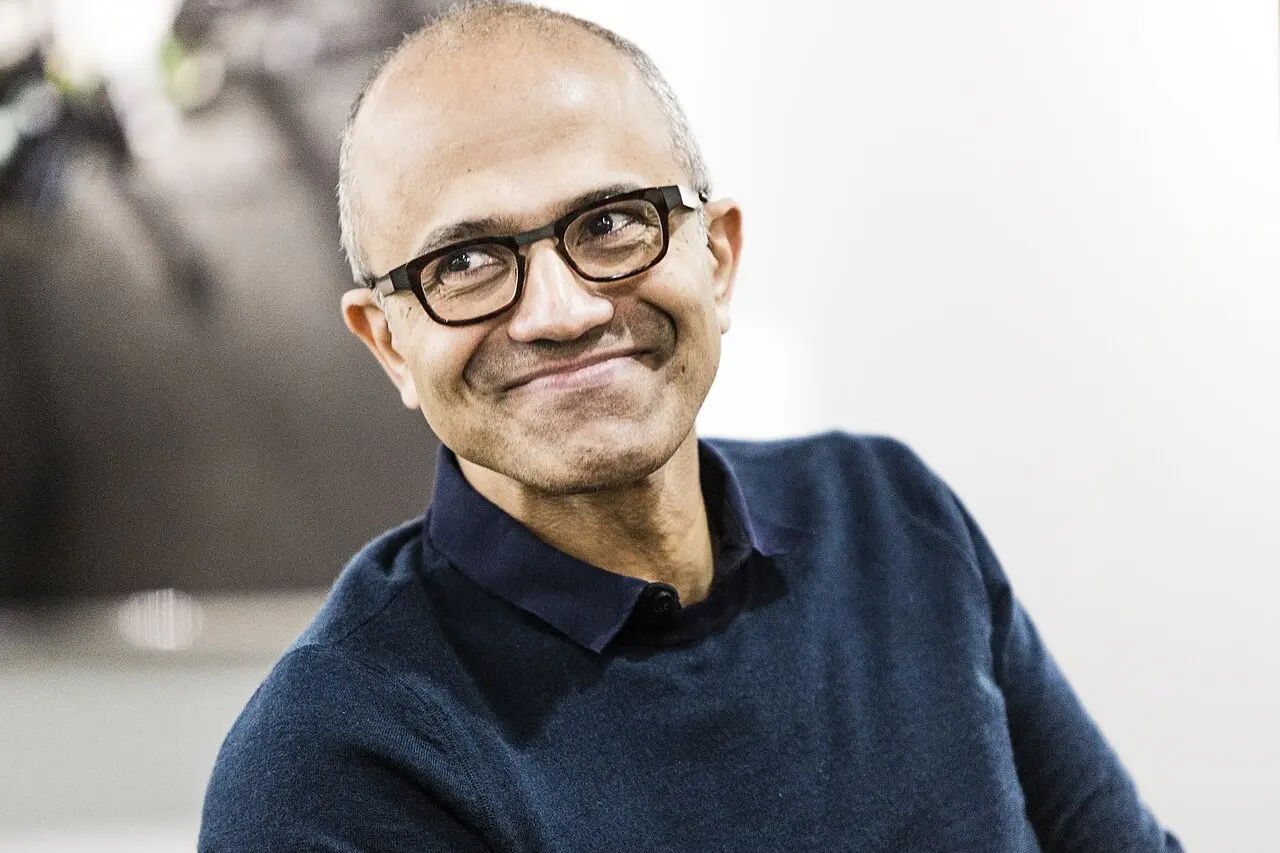
CEO Satya Nadella explained on Wednesday why Microsoft had offered 60,000 employees voluntary departures in October, rather than launching another round of mass layoffs. He says AI is reorganising teams' work rather than replacing them, according to TechCrunch.
Satya Nadella, Microsoft’s chief executive, explained on 18 November that the voluntary departure offers made to 60,000 employees in October were part of the company’s transformation around artificial intelligence. At the DealBook Summit, organised by the New York Times, he presented this reorganisation as a way of allowing employees to choose their professional futures rather than directly facing further job cuts, TechCrunch reports.
The executive says Microsoft is not simply seeking to replace its software engineers with automated tools. It wants to reorganise their work so that they use AI and supervise agents capable of carrying out certain tasks. He cited the team developing Cowork, an agent integrated into Microsoft 365 applications, which has just 11 developers. According to him, these specialists are building an automated system tasked with producing the software, rather than carrying out every stage of its development themselves.
Satya Nadella believes this approach could gradually extend to all professions. However, he acknowledges that the transformation will take longer than expected, as Microsoft is a 51-year-old company that was not initially built around artificial intelligence. He also believes that rhetoric about the AI revolution has fuelled employees' concerns, with some feeling that they are losing control over their professional futures.
In an interview the previous week on The Pragmatic Engineer podcast, Microsoft’s chief executive had already discussed the anxiety caused by rhetoric about technological changes. He therefore advocates a transformation in the organisation of work rather than the systematic replacement of developers by artificial intelligence.