URGENT
🌍 WorldHealth

WHO urges 47 African countries to implement antimicrobial resistance plans

By , based on Leadership

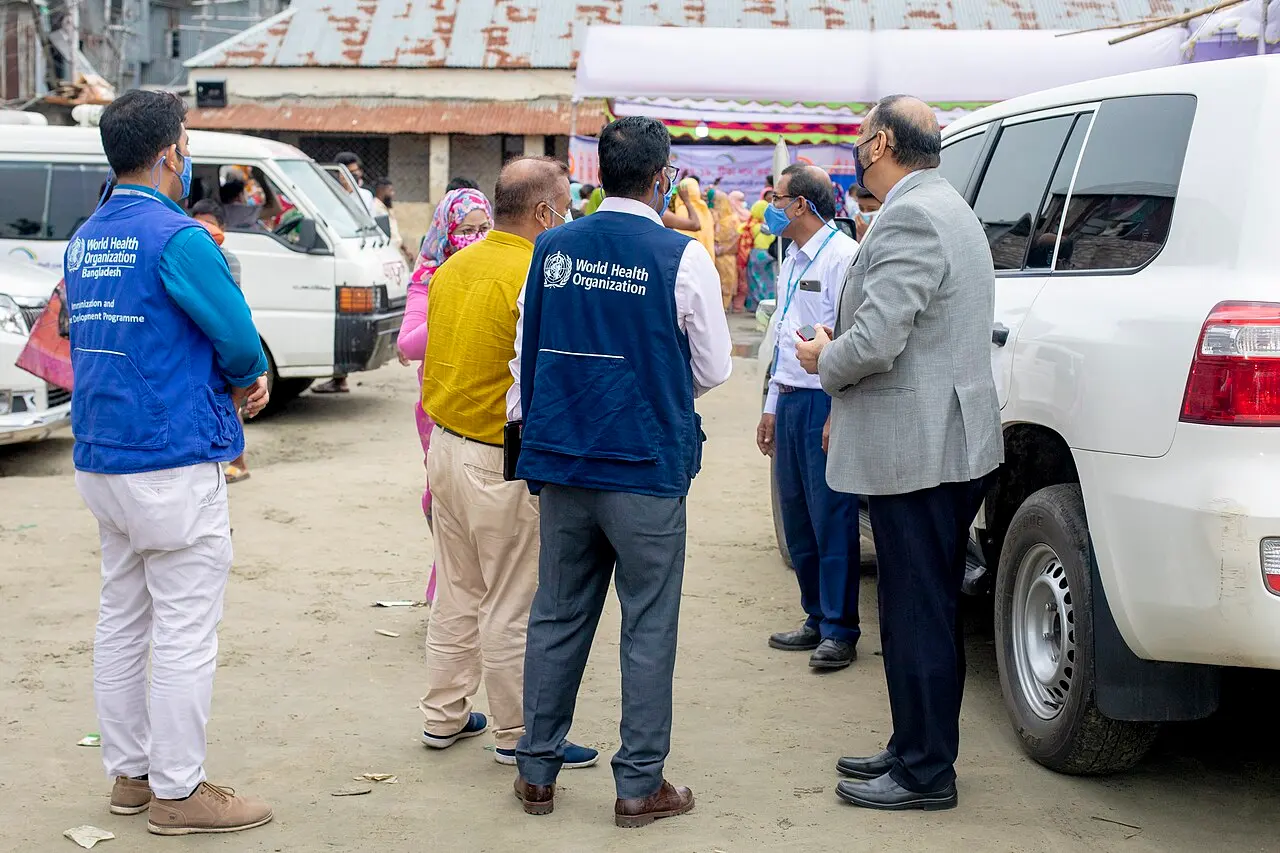
WHO urges 47 African countries to implement antimicrobial resistance plansJubair Bin Iqbal · CC BY-SA 4.0

The WHO is calling on 47 African countries to turn their national plans into funded and measurable action, according to its Regional Director, Mohamed Janabi. On the occasion of World Antimicrobial Resistance Awareness Week, he recalls that antimicrobial resistance was associated with 4.7 million deaths worldwide in 2021, with sub-Saharan Africa recording the highest rates.

The World Health Organization (WHO) is calling on the 47 countries in its African Region to implement their national strategies against antimicrobial resistance. Its Regional Director, Mohamed Janabi, made the appeal on Wednesday 18 November, on the occasion of World Antimicrobial Resistance Awareness Week, held from 18 to 24 November 2026.

In 2021, bacterial resistance to treatments was associated with approximately 4.7 million deaths worldwide. Sub-Saharan Africa has the highest mortality rates linked to this phenomenon, according to Mohamed Janabi. Antimicrobial resistance occurs when bacteria, viruses, fungi or parasites no longer respond to the medicines used to combat them. It makes infections particularly difficult to treat and threatens the progress made in surgery, cancer care and organ transplants.

The WHO Africa official identified several aggravating factors: inappropriate use of medicines in humans and animals, shortcomings in infection prevention, lack of access to water and sanitation, and poor waste management. He advocates a coordinated approach across the human, animal, plant and environmental health sectors.

The 47 African countries concerned participate in the WHO’s global antimicrobial resistance surveillance system. Among them, 44 have testing capabilities to assess the susceptibility of major bacteria to antibiotics. Thirty-six have also adopted the WHO classification, which divides these medicines into three groups: access, watch and reserve. This classification is intended in particular to promote responsible prescribing and support the global target of reserving at least 70% of antibiotics used in human healthcare for the access group by 2030.

Mohamed Janabi’s appeal comes two days after the publication of WHO projections on the consequences of antimicrobial resistance, which forecast 39 million deaths linked to the phenomenon worldwide.
Share this article

Related stories

WHO maintains international emergency over Ebola outbreak in DR Congo, with 11,300 cases

WHO Director-General Tedros Adhanom Ghebreyesus confirmed on Wednesday that the Ebola outbreak in DR Congo remains a public health emergency of international concern, following a recommendation by the organisation’s emergency committee. According to the organisation, the outbreak has recorded more than 11,300 cases and 5,500 deaths, with 400 to 500 new infections each week, and updated recommendations are expected in the coming days.

🇨🇩 DR Congo · Source: Bamada.net ·

ECOWAS seeks to strengthen food safety and combat antimicrobial resistance

ECOWAS and its partners aim to strengthen food safety and step up efforts to combat antimicrobial resistance in West Africa. The initiative is based on cooperation between the human, animal and environmental health sectors, during a regional workshop held from 17 to 19 November in Saly, Senegal, according to APS.

🇸🇳 Senegal · Source: ANG ·

Ebola in DR Congo: 239 confirmed deaths in one week

Bundibugyo virus disease, a form of Ebola, remains at a high level in DR Congo: 442 confirmed cases and 239 deaths were reported during week 46, from 9 to 15 November. Over three weeks, cases fell by 6.7% and deaths by 4.6%, while Watsa, in Haut-Uélé, reported its first cases, according to the WHO.

🇨🇩 DR Congo · Source: OMS Afrique ·

Children account for a third of Ebola deaths in DR Congo

In the Ebola outbreak affecting the Democratic Republic of the Congo, children account for around a third of deaths and more than a quarter of confirmed cases, according to a joint statement by Africa CDC and several United Nations agencies, reported by Africanews. Six months after the outbreak linked to the Bundibugyo virus began, more than 11,000 cases and 5,400 deaths have been reported, with 400 to 500 new infections each week.

🇨🇩 DR Congo · Source: Rwanda News Agency ·

🌍 Latest from World

Washington plans B94 nuclear bomb with $77.1 million in fundingWashington plans B94 nuclear bomb with $77.1 million in fundingThe US 2027 budget provides $77.1 million to develop a new nuclear bomb named B94, a programme considered unprecedented in decades. Its technical specifications remain classified, and some experts believe it is intended to strike underground bunkers, according to Netafrique.All World news →

Health

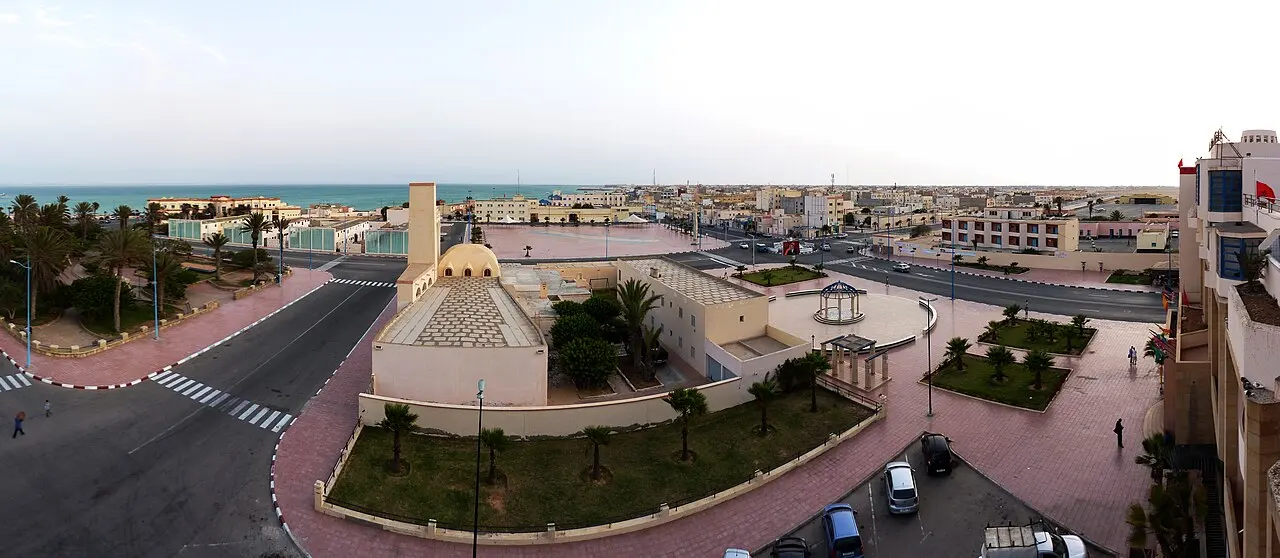
Morocco inaugurates Mohammed VI hospital-university complex in DakhlaMorocco inaugurates Mohammed VI hospital-university complex in DakhlaMoroccan Health Minister Youns Bjijou inaugurated the Mohammed VI International Hospital-University Complex in Dakhla on 18 November 2026, on the instructions of King Mohammed VI, according to MAP. Built on a 47-hectare site by the Mohammed VI Foundation for Science and Health, it includes a 259-bed hospital, with 51 beds dedicated to critical care, and a university planned to accommodate 3,000 students.All Health news →

The week in Africa

This week’s highlights

  1. Ousmane Sonko demands parliamentary role in IMF negotiations🇸🇳 Senegal
  2. WHO maintains international emergency over Ebola outbreak in DR Congo, with 11,300 cases🇨🇩 DR Congo
  3. Rwanda to host centre for around 100 rejected migrants🇷🇼 Rwanda
  4. Journalist beaten by Israeli army near Jericho🇵🇸 Palestine
  5. Xi, Trump and Putin meet in Shenzhen with diverging goals🇨🇳 China
All of this week’s highlights →

Africa in your inbox

Be the first to get our letter in English: the essentials from every region of the continent, free.

Free · one email a week · unsubscribe in one click. Your address is only used to send you the letter, never sold. Personal data

← Back to the news