Water consumed by 74.6% of Malawian households is contaminated
By the AFREEQUE newsroom, based on Nyasa Times
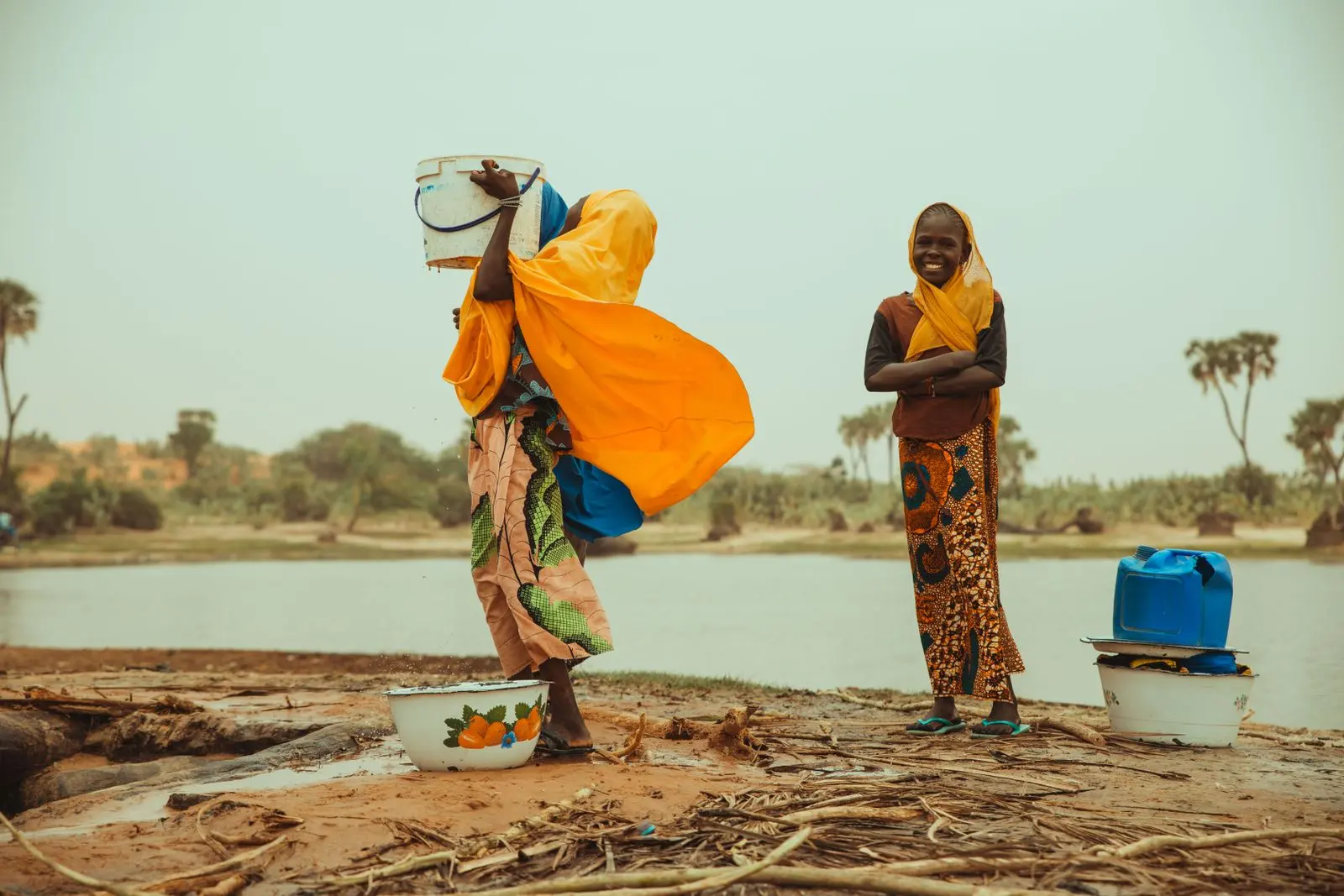 Illustrative image · alameen .ng · Pexels · Licence Pexels
A survey by Malawi’s National Statistical Office reveals that 74.6% of households consume water contaminated with faecal matter, compared with 35% at water supply points. The findings concern a country where 91.2% of households use improved sources, but only 8.9% have safely managed drinking water services, according to the institution’s report.
Faecal contamination was detected in the water consumed by 74.6% of Malawian households in tests conducted at home, compared with 35% at water supply points. These findings come from a survey by Malawi’s National Statistical Office (NSO), which highlights a deterioration in water quality between collection and use in households.
The situation also affects households using sources considered improved. According to the NSO, 91.2% of households obtain water from boreholes, protected wells or taps, but only 8.9% have drinking water services that meet safely managed criteria. The gap between urban and rural areas remains marked: basic services cover 93.2% of city residents, compared with 68.9% of rural populations.
The transport, handling and storage of water after collection are important factors in contamination. Rural communities are particularly exposed, with women and girls often having to travel long distances to reach water points. Vitumbiko Mkandawire, executive director of the Malawi Water Services Association (Wasama), believes that access to an improved source alone does not guarantee safe water. He calls for increased investment in distribution networks, particularly in rural areas, as well as the widespread adoption of water safety plans.
Mwandira, executive director of the organisation Horizon Action, also called for stricter measures to prevent contamination between collection points and consumers. The study is based on data from the 2025 Integrated Household Survey and the 2024 Malawi Demographic and Health Survey. Its publication was organised to coincide with African Statistics Day, celebrated on 18 November.