Sonko rejects Senegal’s 2026 supplementary finance bill
By the AFREEQUE newsroom, based on Senego
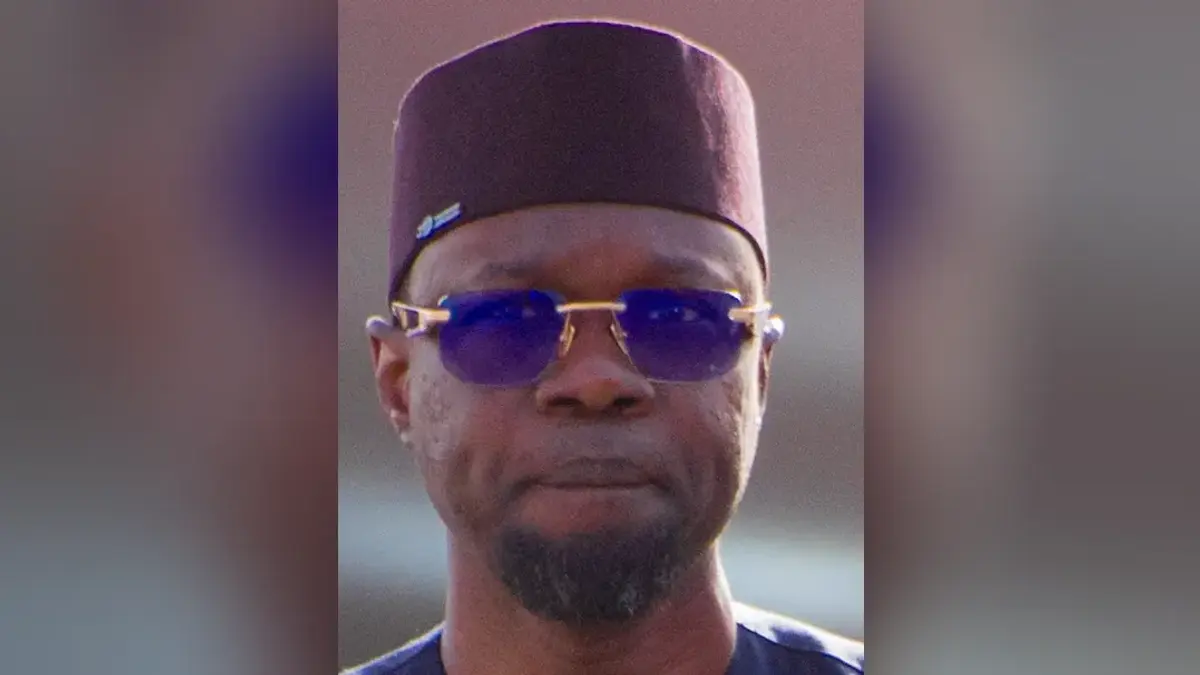
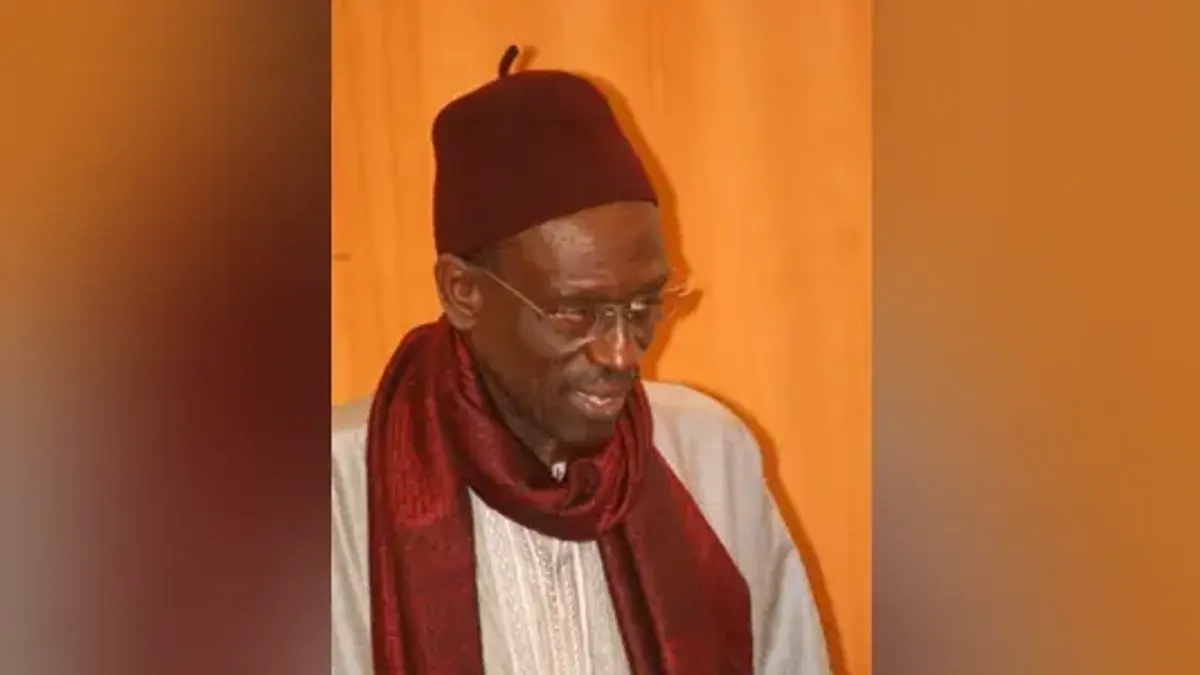
Ousmane Sonko says Pastef MPs will not vote for the 2026 supplementary finance bill in its current form, as it cuts energy subsidy funding from 790 billion to 552 billion CFA francs. He fears a rise in the price of diesel, currently listed at 755 CFA francs per litre, but no increase has been decided, LII Quotidien reports.
Ousmane Sonko has announced that Pastef MPs will not vote for Senegal’s 2026 supplementary finance bill in its current form, which proposes to cut funding for energy subsidies by about 30%, according to LII Quotidien. The funding would fall from 790 billion to 552 billion CFA francs.
Prime Minister Al Aminou Lô said on 8 September that 65% of the roughly 800 billion CFA francs in fuel subsidies benefited the wealthiest 20% of households, according to Financial Afrik. Sonko fears the planned cut will lead to a rise in the price of diesel, currently listed at 755 CFA francs per litre. No increase has been officially decided.
The president of the National Assembly believes the bill departs from the National Transformation Agenda and criticises cuts to social and investment budgets. The government must also take into account the agreement reached with the IMF on 1 September, after the programme had been suspended for 26 months. The CNTS and the Front syndical have called for a general strike from 21 to 23 October, including to demand payment of around 100 billion CFA francs in arrears owed to IPRES and lower prices for basic goods.
The disagreement has set the executive against the parliamentary majority since Sonko left the prime minister’s office. A compromise involving amendments or a phased implementation of the reform are among the possible outcomes; a prolonged deadlock could delay budget execution. The controversy comes after Sonko denounced the Senegalese government’s alignment with the IMF on 19 October. The day before, Matar Diène had challenged the blocking of Senegalese budgets.
Summary produced with the help of artificial intelligence tools, under AFREEQUE’s editorial responsibility.