São Tomé and Príncipe cocoa production expected to fall by 25% in 2026
By the AFREEQUE newsroom, based on Téla Nón
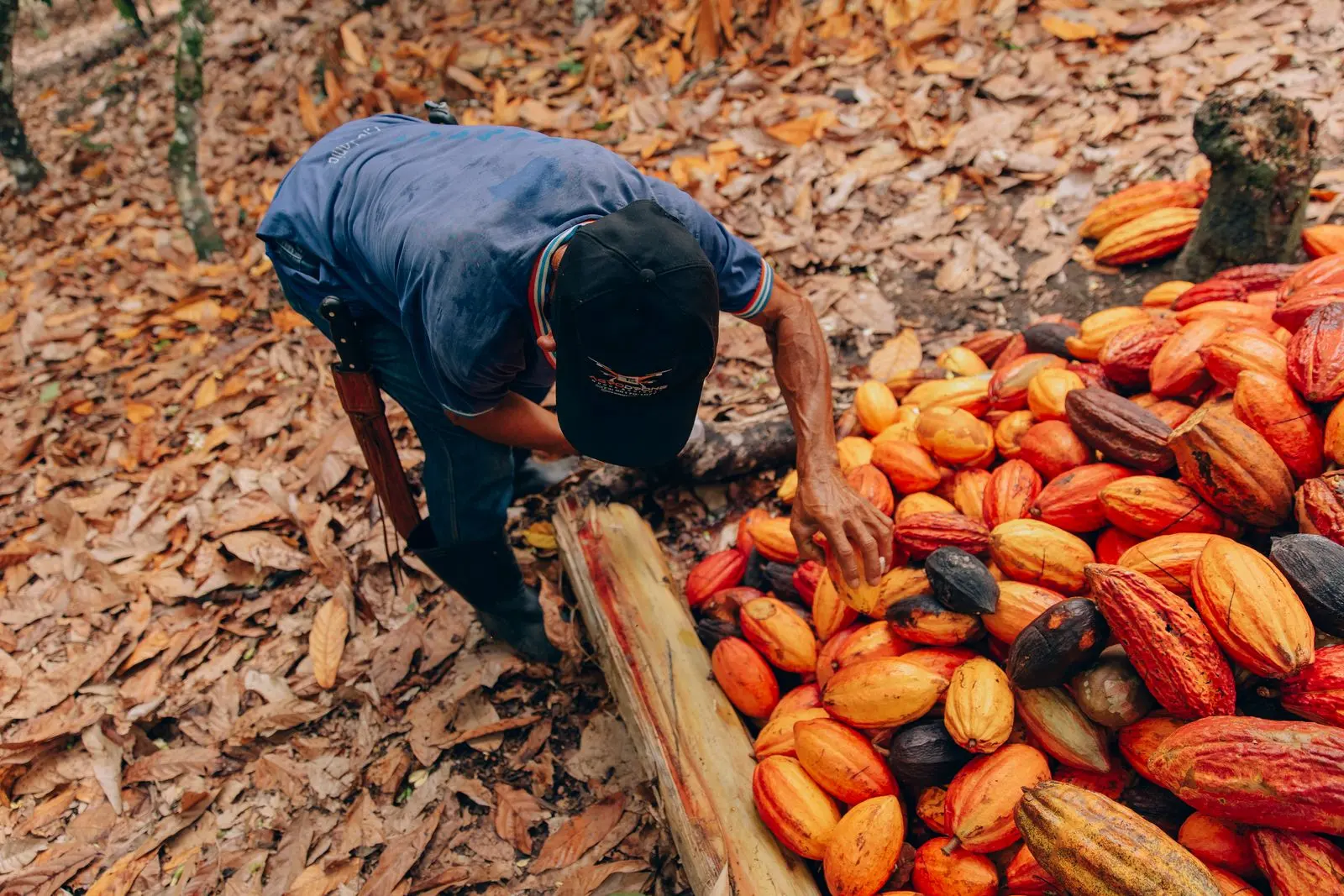 Illustrative image · SAMUEL MEIRA · Pexels · Licence Pexels
CECAB, the country’s largest organic cocoa export cooperative, expects production to fall by 25% in 2026, partly due to climate change. After cocoa-driven growth of 2.1% in 2025, the decline could weigh on the national economy, according to its executive director António Dias.
Cocoa production in São Tomé and Príncipe could fall by 25% in 2026, to around 3,000 tonnes from 4,000 tonnes in 2025. The forecast comes from António Dias, executive director of CECAB, the country’s largest organic cocoa export cooperative, according to Téla Nón.
Climate change partly explains the decline: rainfall has decreased and the dry season, which usually lasts three months, now lasts six months. As cocoa trees are not irrigated in the archipelago, lower rainfall directly affects the harvest. CECAB accounted for around half of national production in 2025. Cocoa also supported economic growth, which stood at 2.1% in 2025, but its price, which was historically high in 2024 and 2025, has started to fall.
Despite this downturn, the cooperatives say they are continuing to produce organic chocolate for local sale, with the proceeds funding social projects. CECAB has notably financed the construction and rehabilitation of roads and bridges in rural areas. It is also undertaking the rehabilitation of the water network serving ten farming communities, as well as infrastructure at the central hospital. Cocoa remains the country’s leading export product, selling for around 4,000 euros per tonne on the international market.
In August, São Tomé and Príncipe was already close to obtaining a protected designation for its cocoa.