Phala Phala: $580,000 stolen from Ramaphosa’s farm
By the AFREEQUE newsroom, based on Mail & Guardian, Al Jazeera, Daily Maverick, TimesLIVE, Bizcommunity and Business Day (South Africa)
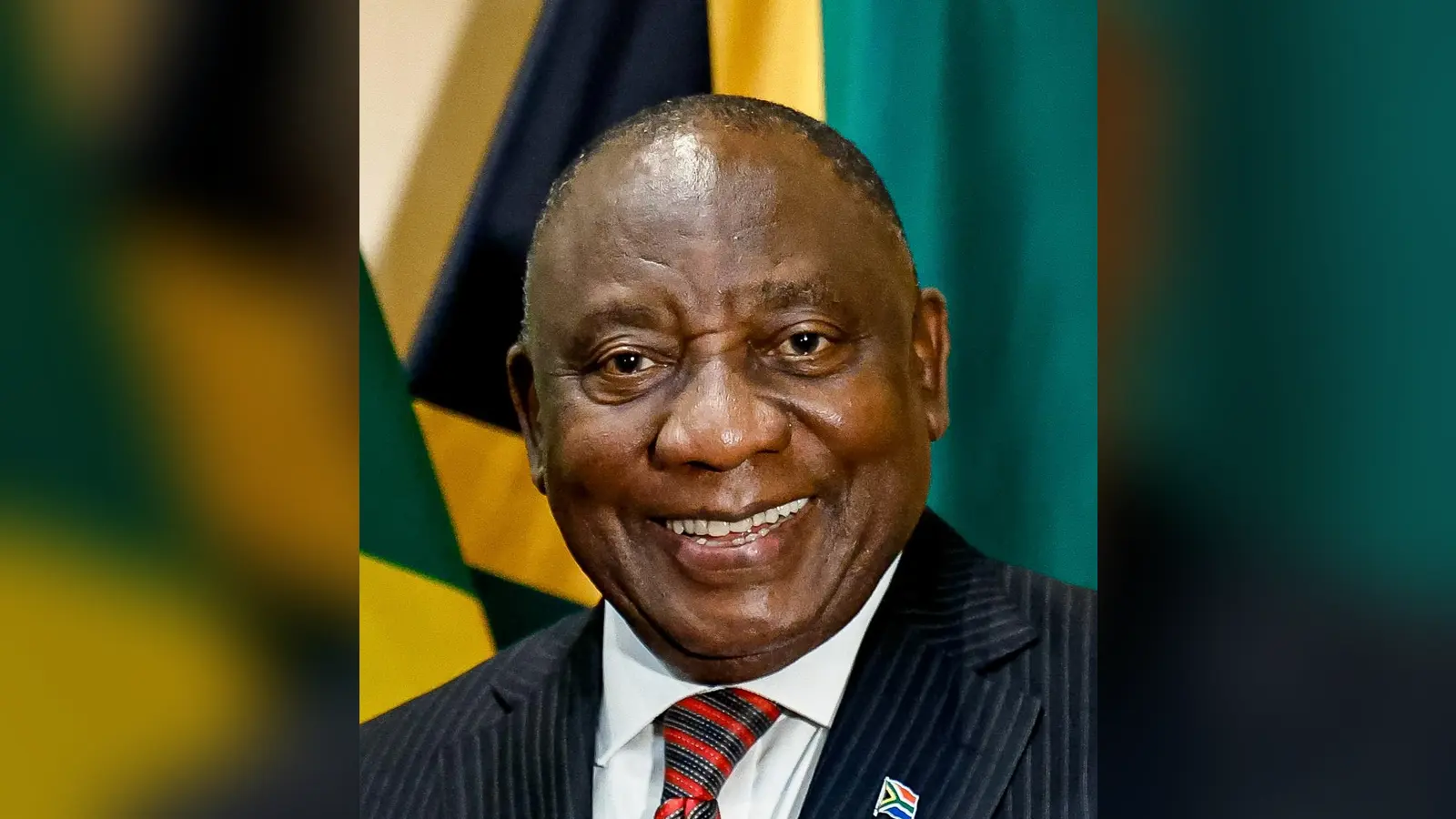
The theft of $580,000 in cash from Cyril Ramaphosa’s private property in February 2020 sparked controversy over the South African president’s handling of the case. A parliamentary panel concluded in 2022 that he may have breached the Constitution, before the courts overturned its findings in November 2026, according to the Daily Maverick.
The Phala Phala affair concerns the disappearance of $580,000 in cash from Cyril Ramaphosa’s private property, located in Limpopo province, South Africa. The burglary took place on 9 February 2020. The controversy focused in particular on the origin of the money, the conditions under which it was kept at the farm and the way the head of state responded after its disappearance. Ramaphosa has consistently denied any wrongdoing.
To explain the presence of the money, the president said it came from the sale of buffaloes to a Sudanese businessman in December 2019. According to this account, the buyer had paid $580,000 in cash. The money was allegedly hidden in sofa cushions because too many people had access to the property’s safe. However, the transaction was never completed, partly because the necessary veterinary and export permits were missing, according to the Daily Maverick.
The handling of the burglary was another major aspect of the controversy. In June 2022, Arthur Fraser, former director-general of the State Security Agency, filed a complaint with the police. He accused Ramaphosa of failing to report the theft through official channels and instead entrusting the search to General Wally Rhoode, head of the presidential protection unit. Fraser also accused him of approaching Namibian President Hage Geingob to facilitate the arrest of people suspected of taking part in the burglary. These accusations placed the question of presidential accountability at the centre of the case.
In July 2022, Vuyolwethu Zungula, leader of the African Transformation Movement (ATM), asked the National Assembly to initiate impeachment proceedings. This initiative led to the establishment of an independent panel chaired by Sandile Ngcobo, former president of the Constitutional Court. Tasked with examining the evidence presented, the panel delivered its findings at the end of November 2022. It concluded that there was sufficient evidence to suggest that Ramaphosa may have committed a serious violation of the Constitution and a serious breach of his responsibilities. In particular, it considered that the president may have breached his obligations regarding the reporting of the theft and the handling of the investigation.
The report was subsequently submitted to the National Assembly. On 13 December 2022, MPs from the ANC, the ruling party, used their majority to prevent its adoption. However, this step did not bring the proceedings to a definitive end. In May 2026, the Constitutional Court ruled that the 2022 parliamentary vote which had halted the process was invalid and called for the establishment of a commission to examine possible impeachment proceedings. The Western Cape High Court temporarily suspended this inquiry in July 2026, pending its ruling on the legality of the original report.
On 25 November 2026, the Western Cape High Court finally set aside the entire 2022 report. The judges ruled that the panel chaired by Sandile Ngcobo had exceeded the limits of its mandate, examined matters outside its remit and made several significant errors of law. The ruling also invalidated the measures taken by the National Assembly on the basis of the report. The parliamentary impeachment proceedings launched on the basis of these findings have therefore lost their legal foundation. However, political parties opposed to Ramaphosa are considering challenging the ruling on appeal, leaving open the possibility of further legal developments.