Western Cape High Court overturns report targeting Ramaphosa
By the AFREEQUE newsroom, based on Mail & Guardian, Al Jazeera, Daily Maverick, Daily Maverick, Fraternité Matin and Bizcommunity
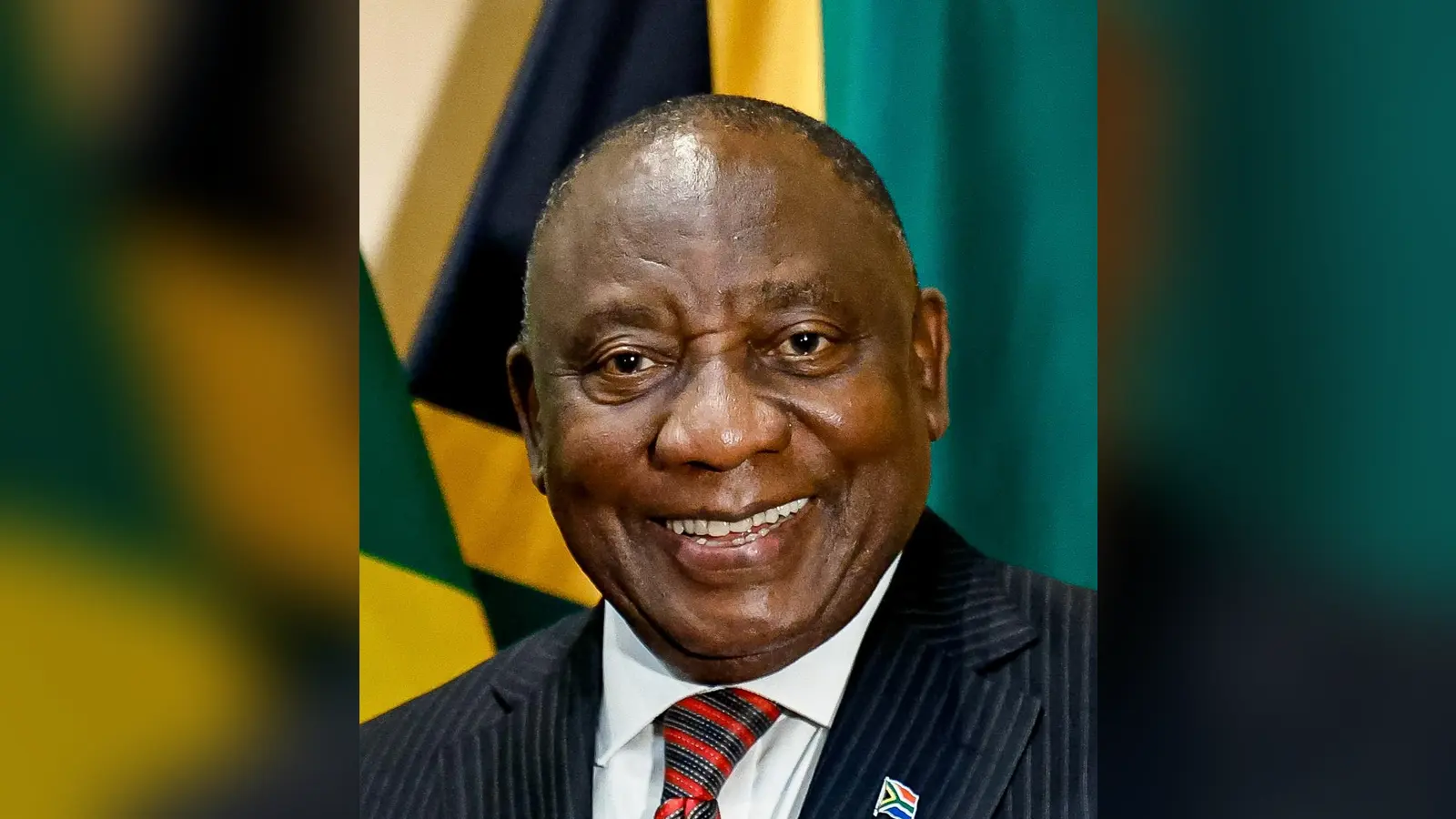
The Western Cape High Court unanimously overturned the 2022 parliamentary report implicating Cyril Ramaphosa in the Phala Phala affair, ruling that the panel had exceeded its powers and committed several errors of law. The decision also invalidates parliamentary proceedings launched on that basis, according to Mail & Guardian.
The Western Cape High Court on Wednesday, 25 November 2026, overturned the entire report drawn up in 2022 by the independent panel tasked with examining allegations against South African President Cyril Ramaphosa in the Phala Phala affair. The judges ruled that the panel had misinterpreted the limits of its mandate, exceeded the powers entrusted to it and committed several significant legal errors. The unanimous decision also invalidates measures taken by the National Assembly on the basis of the report, according to Mail & Guardian.
The central issue concerned the way the panel had conducted its examination. The body, chaired by former Constitutional Court president Sandile Ngcobo, was tasked with carrying out an initial assessment of allegations that could justify parliamentary impeachment proceedings. It had notably concluded that there was evidence suggesting Ramaphosa might have committed a serious violation of the Constitution and significant breaches of his duties. The High Court considered that the panel had gone beyond this remit by examining matters that did not fall within its original mandate.
The judges also noted that the panel had incorporated additional information submitted by political parties, notably the Economic Freedom Fighters (EFF) and the African Transformation Movement (ATM). This approach had led it to reach conclusions on issues that were not directly related to the allegations under examination. These included the origin of the foreign currency found at the presidential property and activities attributed to Ramaphosa in Cape Town and Namibia. The court considered that these investigations did not respect the limits of the preliminary examination entrusted to the panel.
Another irregularity concerned statements by Arthur Fraser, former director-general of the State Security Agency. He filed a criminal complaint in June 2022, alleging that the theft of money from the presidential property had not been reported to the police and that Ramaphosa had asked his head of presidential security, Wally Rhoode, to conduct investigations. The High Court criticised the panel for failing to sufficiently distinguish criminal allegations from matters falling within its own mandate. It notably considered that several elements of Fraser’s statement amounted to hearsay, as he had not personally witnessed the theft on 9 February 2020.
The report had nevertheless been a decisive step in efforts to pursue possible impeachment. In July 2022, Vuyolwethu Zungula, leader of the ATM, had tabled a motion calling for proceedings against the president to be opened. The panel subsequently concluded that the allegations warranted parliamentary scrutiny. On 13 December 2022, the National Assembly rejected the report with the support of the African National Congress (ANC) majority. That decision was subsequently challenged in court by the EFF.
In May 2026, the Constitutional Court overturned the parliamentary vote of December 2022 and referred the matter back to the committee responsible for examining possible impeachment. This decision revived proceedings that had appeared to be on hold. Cyril Ramaphosa then launched a new legal challenge seeking to have the report itself invalidated. His lawyers argued in particular that the panel had relied on hearsay evidence, had not properly considered the president’s submissions and had failed to establish that he had acted in bad faith.
The annulment handed down on 25 November therefore brings an end to parliamentary proceedings based on the 2022 report. The impeachment committee legally ceases to exist following the invalidation of the actions taken on the basis of that document. The Speaker of the National Assembly, Thoko Didiza, must examine the immediate consequences of the ruling. Political parties opposed to the decision, including the ATM led by Zungula, are considering an appeal. Possible appeal proceedings could therefore change the legal outcome of the case.