Mondlane trial: former presidential candidate acknowledges recorded conversation
By the AFREEQUE newsroom, based on Agência de Informação de Moçambique
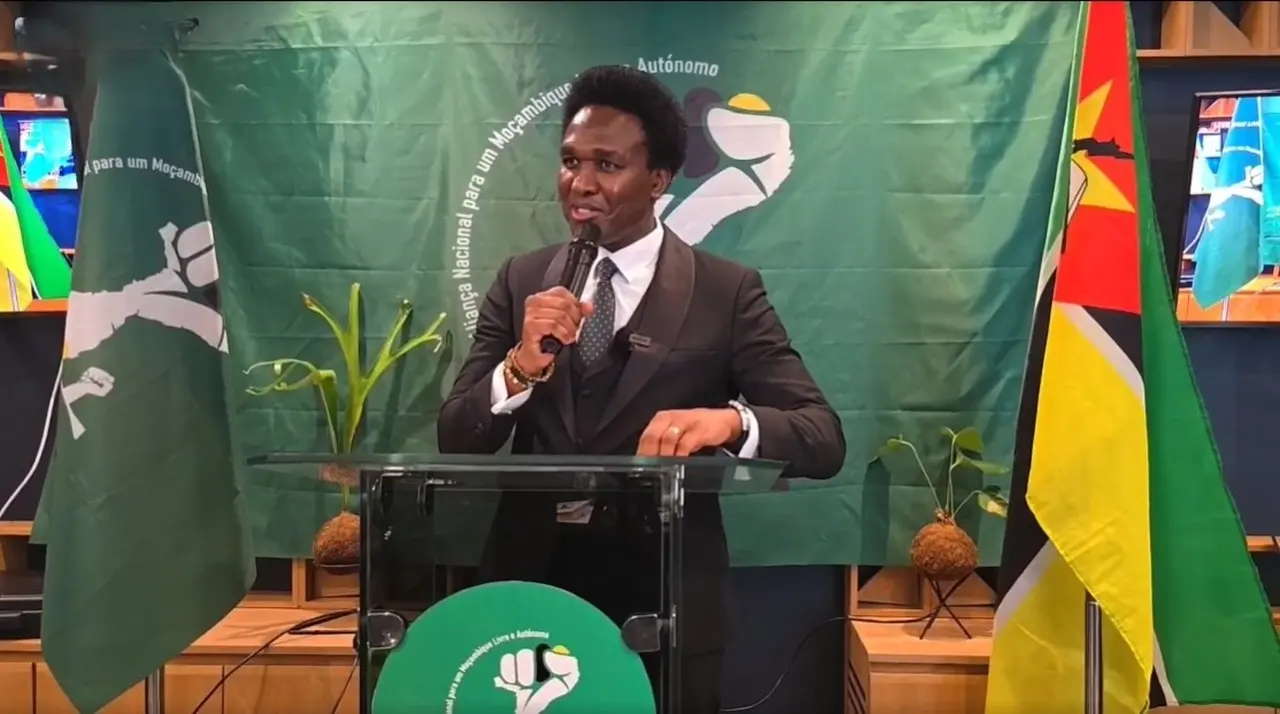
On the seventh day of his trial, Venâncio Mondlane, a former presidential candidate, was confronted by the public prosecutor with a recorded conversation that he acknowledged as his own. For the prosecution, the recording supports the theory of a plan to subvert state order in the case concerning post-election protests, according to the Mozambique News Agency (AIM).
Venâncio Mondlane, a former Mozambican presidential candidate, acknowledged taking part in a recorded conversation presented by the public prosecutor during his trial on 25 November. The prosecution is relying on the recording to argue that the defendant had drawn up a plan to destabilise state institutions, as part of the legal case relating to the protests that followed the 2024 election, reports the Agência de Informação de Moçambique (AIM).
The recording, included in annex 11 of the case file, contains an exchange with a man identified as an IT technician. According to the prosecution’s interpretation, Mondlane discusses the possibility of moving his family to safety outside Mozambique in anticipation of the consequences of a potential plan to cause unrest. The public prosecutor also presented a video in which the opposition figure confirmed, as he left questioning at the Procuradoria-Geral da República, that he had been confronted with a recording of his own conversation.
Before the judges, however, Mondlane said he had acknowledged making the remarks under pressure from the former prosecutor in charge of the investigation. He said he had been threatened during his questioning and accused investigators of preventing his lawyers from participating properly in the proceedings. He said he subsequently asked the Procuradoria-Geral da República to annul the questioning, arguing that his rights to a defence had not been respected.
This confrontation follows the questioning of Venâncio Mondlane over the protests, reported on 20 November. On 18 November, the former candidate had also challenged the political nature of his trial.