

Six civilians killed by Islamists in Nangade, Mozambique
By the AFREEQUE newsroom, based on Agência de Informação de Moçambique
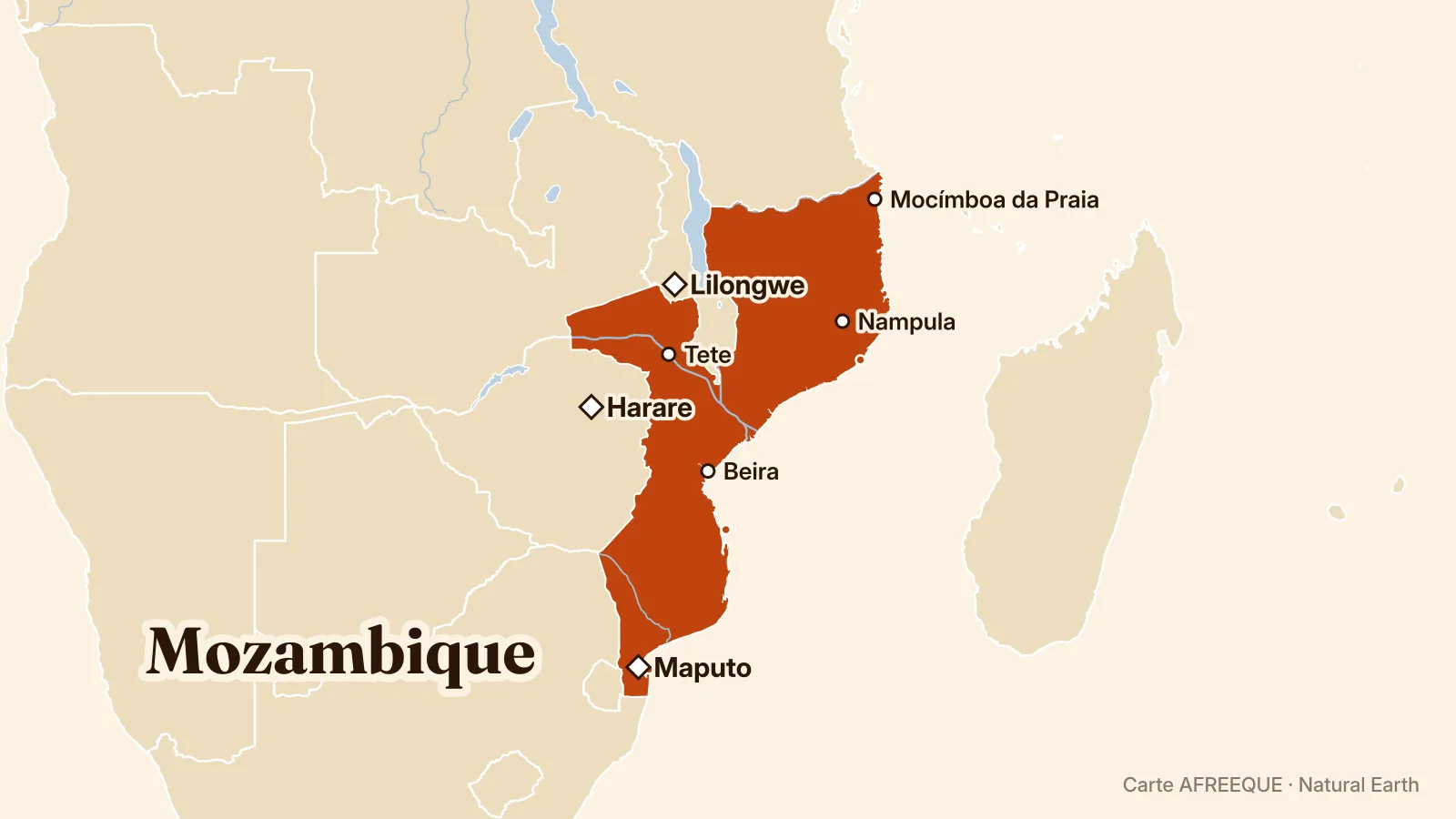
Six civilians, including traders and an elder from a Protestant church, were shot dead by around ten Islamist insurgents in the Ndengamanade neighbourhood of Nangade. According to AIM, citing the newspaper Carta de Moçambique, Thursday evening’s attack was accompanied by heavy gunfire, probably an exchange of fire with Mozambican forces.
Six civilians were killed on Thursday 19 November in the Ndengamanade neighbourhood, in Nangade district, Cabo Delgado province, in northern Mozambique. The victims were shot dead in their homes by armed men belonging to an Islamist group, according to the Mozambique News Agency, which cited reports published by the independent newspaper Carta de Moçambique.
According to these accounts, around ten attackers broke into several homes at about 10 pm and opened fire on their occupants. Those killed included local traders and an elder from a Protestant Christian community. Heavy gunfire was also heard during the night, suggesting a confrontation between the insurgents and Mozambican forces deployed in the area.
The Armed Conflict Location and Event Data Project (ACLED), which records violence and clashes, identifies three recurring objectives behind attacks on civilians: causing population displacement, obtaining financial resources and carrying out reprisals. In August and September 2026, eleven attacks on civilian communities involved abductions. Five incidents resulted in ransom demands ranging from 1,500 to 70,000 meticais, equivalent to approximately 23 to just over 1,000 dollars.
The International Organization for Migration (IOM) estimates that violence in August and September in Cabo Delgado province, particularly in Litandacua, along the N380 road, and in Pangane, on the coast, forced more than 700 people to flee. The 2026 report on the state of peace and security in Africa also highlights the importance of managing strategic natural resources and integrating local populations into efforts to prevent armed conflicts.