Opinion piece challenges Dologuélé’s nationality in Central African Republic
By the AFREEQUE newsroom, based on Corbeau News Centrafrique
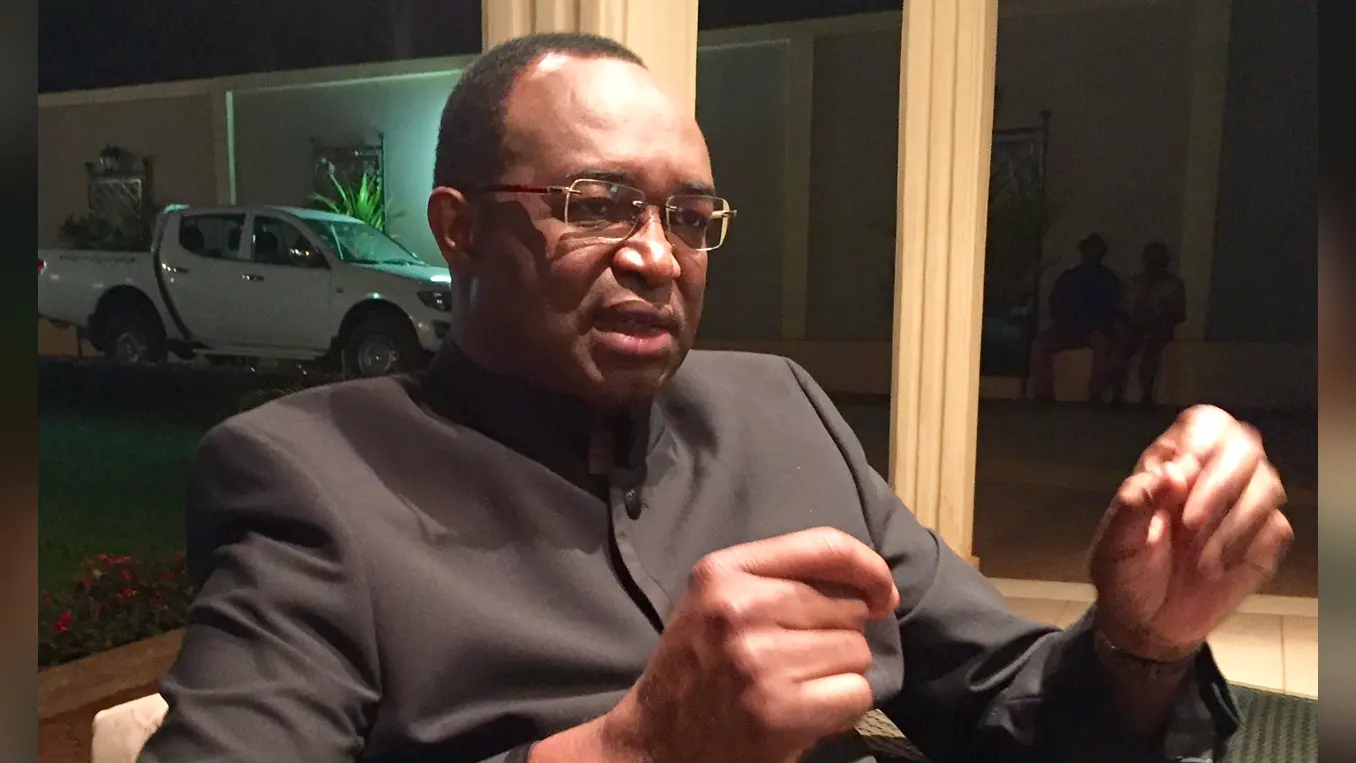
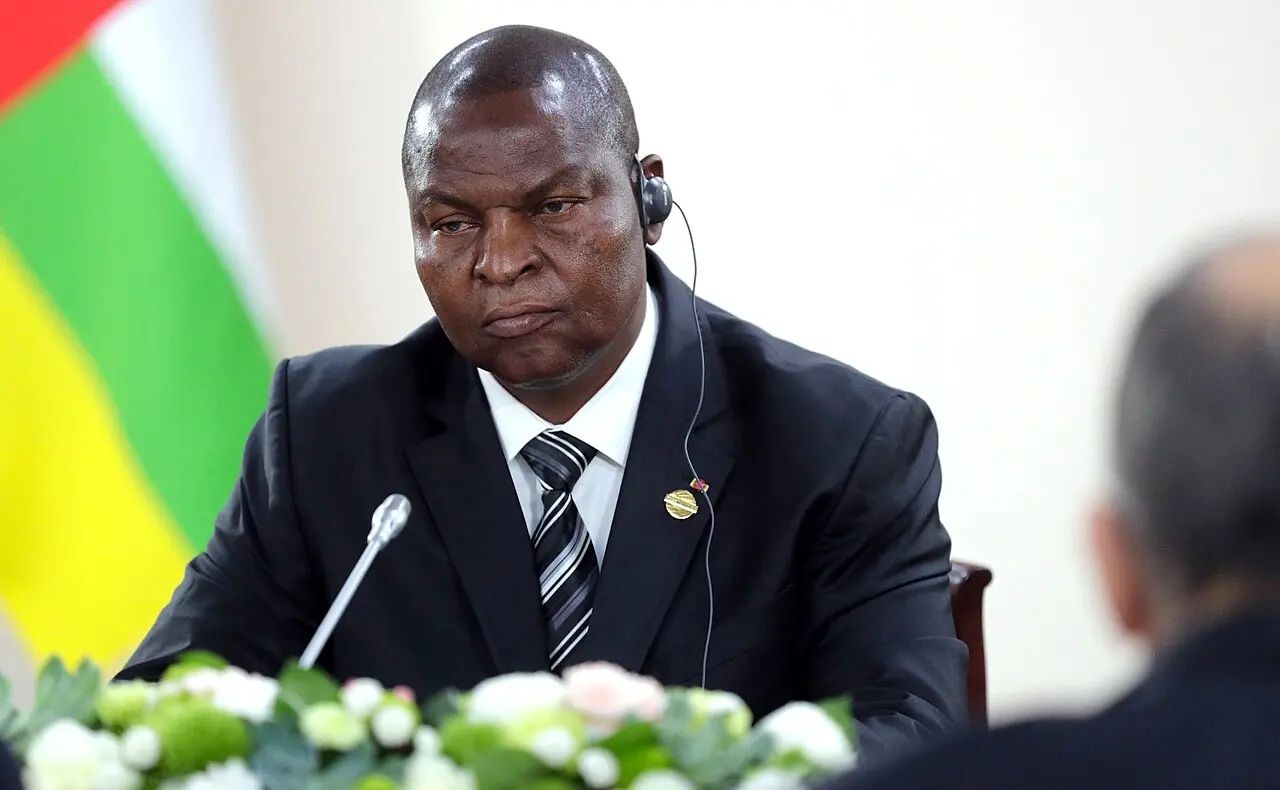
Arsène Thierry Bangao has published an opinion piece challenging Paul Cyriaque Semaporo’s arguments concerning Anicet-Georges Dologuélé’s nationality, eligibility and parliamentary mandate. The text presents this disagreement as a legal controversy based on the interpretation of the Constitution and court rulings.
Arsène Thierry Bangao disputes the arguments put forward by Paul Cyriaque Semaporo concerning Anicet-Georges Dologuélé’s Central African nationality, eligibility for election and the legitimacy of his parliamentary mandate. In an opinion piece entitled ‘A firm and legal response to Cyriaque Semaporo’s post’, published by Corbeau News Centrafrique, he defends an interpretation of legal texts and court rulings that challenges his interlocutor’s conclusions.
The author places the Constitution at the top of the Central African legal order, above laws, regulations and decisions by ordinary courts. He argues that Constitutional Court rulings are binding on the authorities concerned and disputes the claim that a ruling by a high court could take precedence over them.
Regarding the nationality of Anicet-Georges Dologuélé, leader of the Union for Central African Renewal (URCA), Arsène Thierry Bangao rejects the idea that he automatically lost his nationality in 1994. He also challenges the conclusion that the former political leader is stateless.
This controversy is part of an ongoing legal debate already marked by positions on the nationality of Central African dual nationals. On 27 September 2026, Anicet-Georges Dologuélé raised the alarm over the loss of nationality by Central African dual nationals. On 7 November, the Constitutional Court rejected his appeal concerning his civil rights.