Nigeria imposes new plastic recycling obligations
By the AFREEQUE newsroom, based on Business Day Nigeria
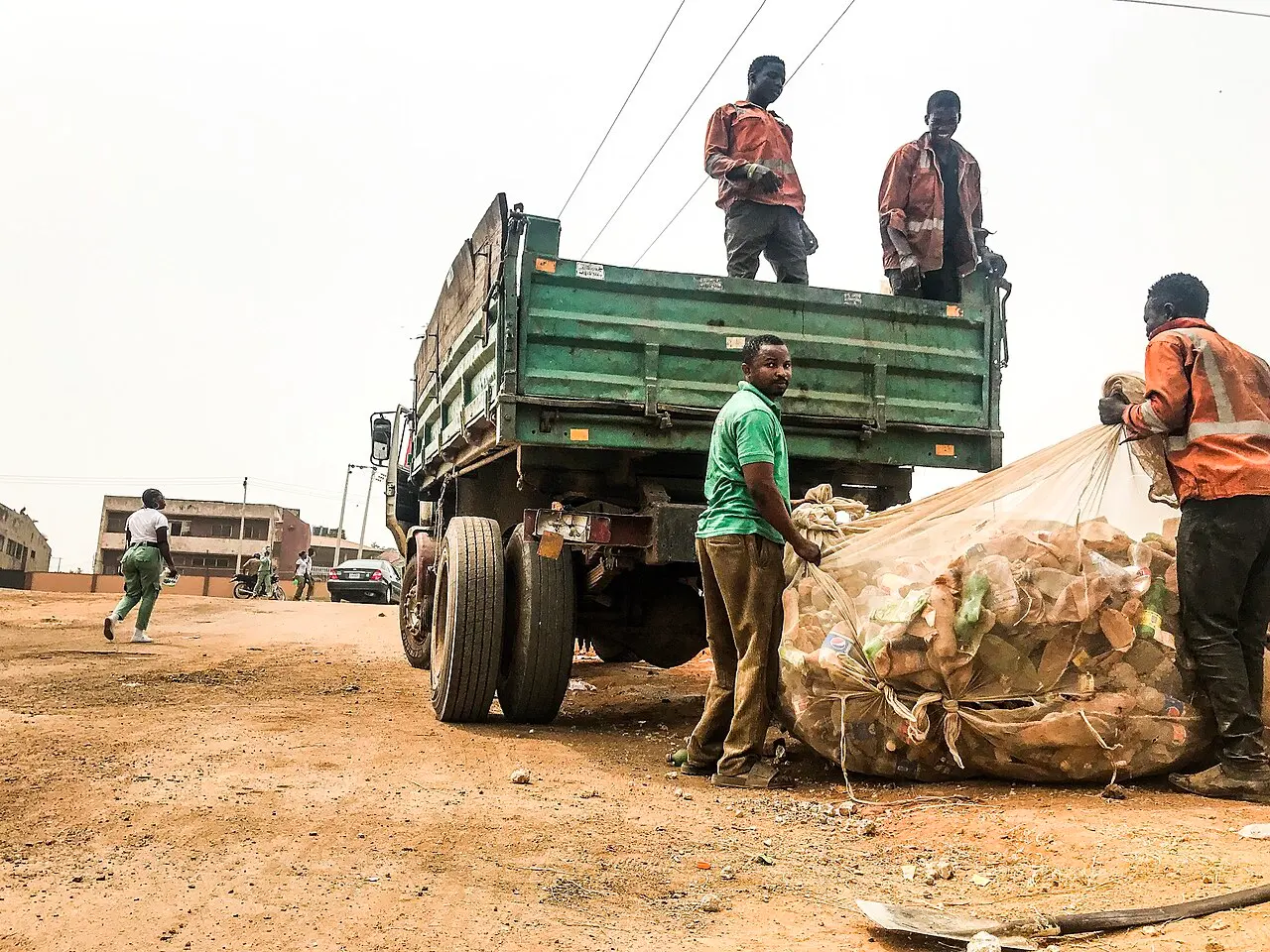
The 2026 National Plastic Waste Control Regulations impose obligations on producers, importers, brand owners and converters, including registration with extended producer responsibility organisations. According to Business Day Nigeria, the question of who will finance higher packaging costs remains unresolved, and contracts between manufacturers and distributors will have to settle the matter.
According to Business Day Nigeria, new 2026 National Plastic Waste Control Regulations impose obligations on producers, importers, brand owners and packaging converters. These stakeholders must register with producer responsibility organisations (PROs), participate in collection and recycling programmes, and submit regular reports.
For fast-moving consumer goods manufacturers, the consequences are direct: manufacturing contracts must now incorporate the new rules on recycled content, traceability and collection. A brand may remain responsible for packaging produced by a third-party converter, while the converter remains responsible for its own operations. The polluter-pays principle, set out in Article 8 of the regulations, requires those who cause pollution to bear the environmental costs.
According to Business Day, the regulations establish these obligations without resolving the commercial question: who will pay the additional cost of more expensive packaging, and under what conditions? In Nigeria, where most purchases are made in small quantities and with cash, this cost could determine whether a product sells at all. The allocation of these costs will therefore depend on contracts between manufacturers, converters and distributors.