Nigeria bans occupancy of homes without electricity meters
By the AFREEQUE newsroom, based on Leadership

The Nigerian Electricity Regulatory Commission and Abuja’s distribution company are requiring property developers to install electricity meters before handing over any building. Developers who finance connections themselves will be reimbursed with energy credits, according to Leadership.
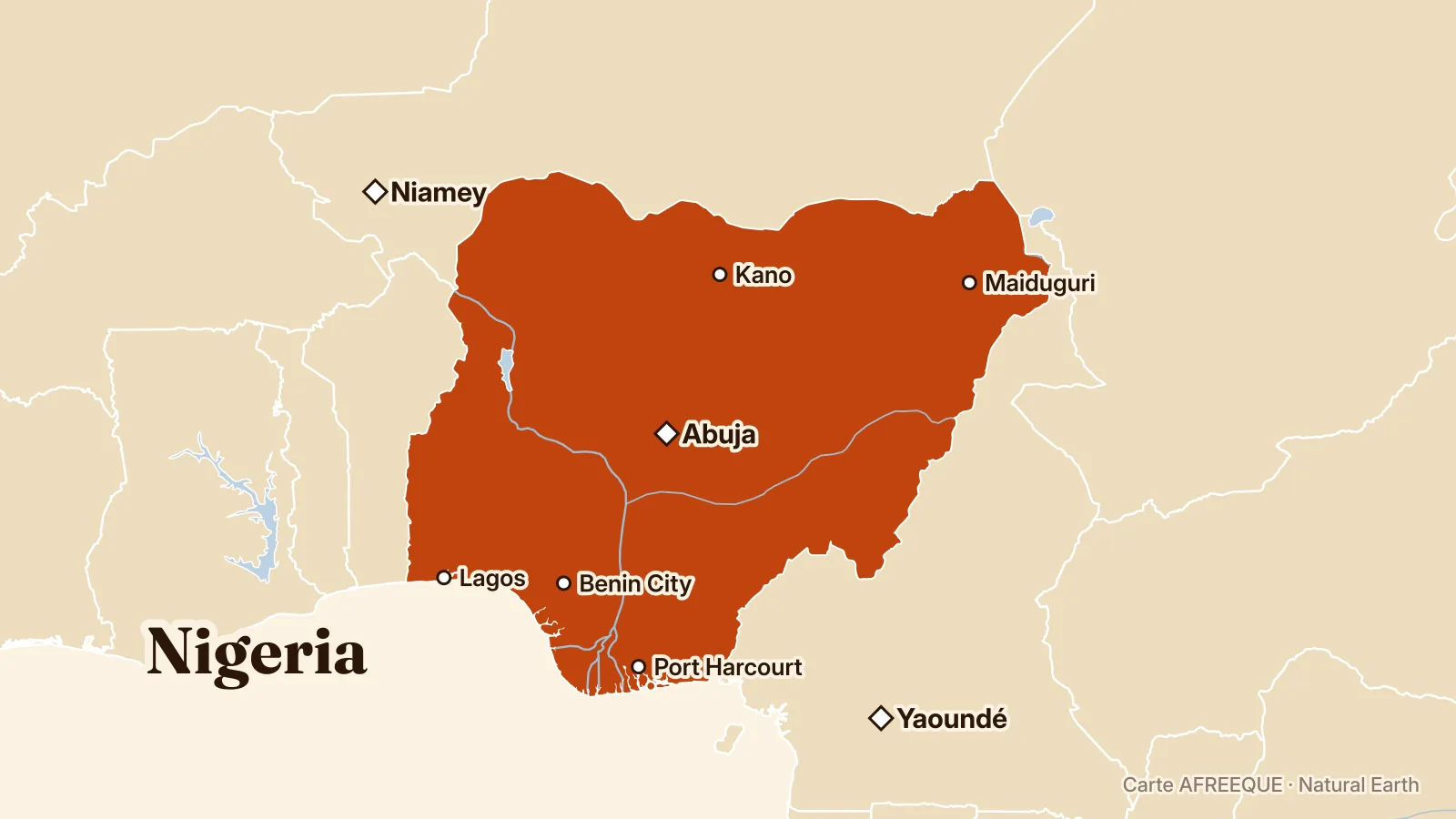
The Nigerian Electricity Regulatory Commission (NERC) and the Abuja Electricity Distribution Company (AEDC) now require an electricity meter to be installed before any home can be occupied. Mercy Ohamuche, head of consumer protection at NERC, reiterated the requirement on Tuesday 24 November in Abuja during a meeting with property developers, Leadership reports.
AEDC is responsible for supplying the meters. Customers wishing to obtain their equipment more quickly can use approved suppliers, provided they submit their applications to the distributor. For new housing estates located far from the network, developers must request an official extension rather than build their own lines. However, they may finance the infrastructure when AEDC cannot intervene immediately, with reimbursement in the form of electricity credits over an agreed period.
Connection applications must include a technical file, an estimate of energy requirements, proof of ownership and identification documents. Installations must be carried out by licensed electrical engineers and use certified equipment. No home may be supplied with electricity before inspections and approval of the equipment. Shared connections relying on a single meter are also prohibited.
For complaints, consumers must first contact AEDC. If the dispute remains unresolved after 15 working days, they can approach a regional NERC office and then refer the matter to the commission’s headquarters if they remain dissatisfied. Dangerous installations and fraudulent tampering with meters may result in an immediate disconnection. However, customers illegally disconnected despite having paid their bills are entitled to compensation. These rules come amid supply difficulties, as Nigeria’s electricity grid recorded a drop to 3,180 MW on 22 November, according to a report on national electricity generation.