URGENT
🇳🇬 NigeriaBusiness

Nigeria postpones electricity debt repayment to 2027

By , based on Vanguard and ThisDay

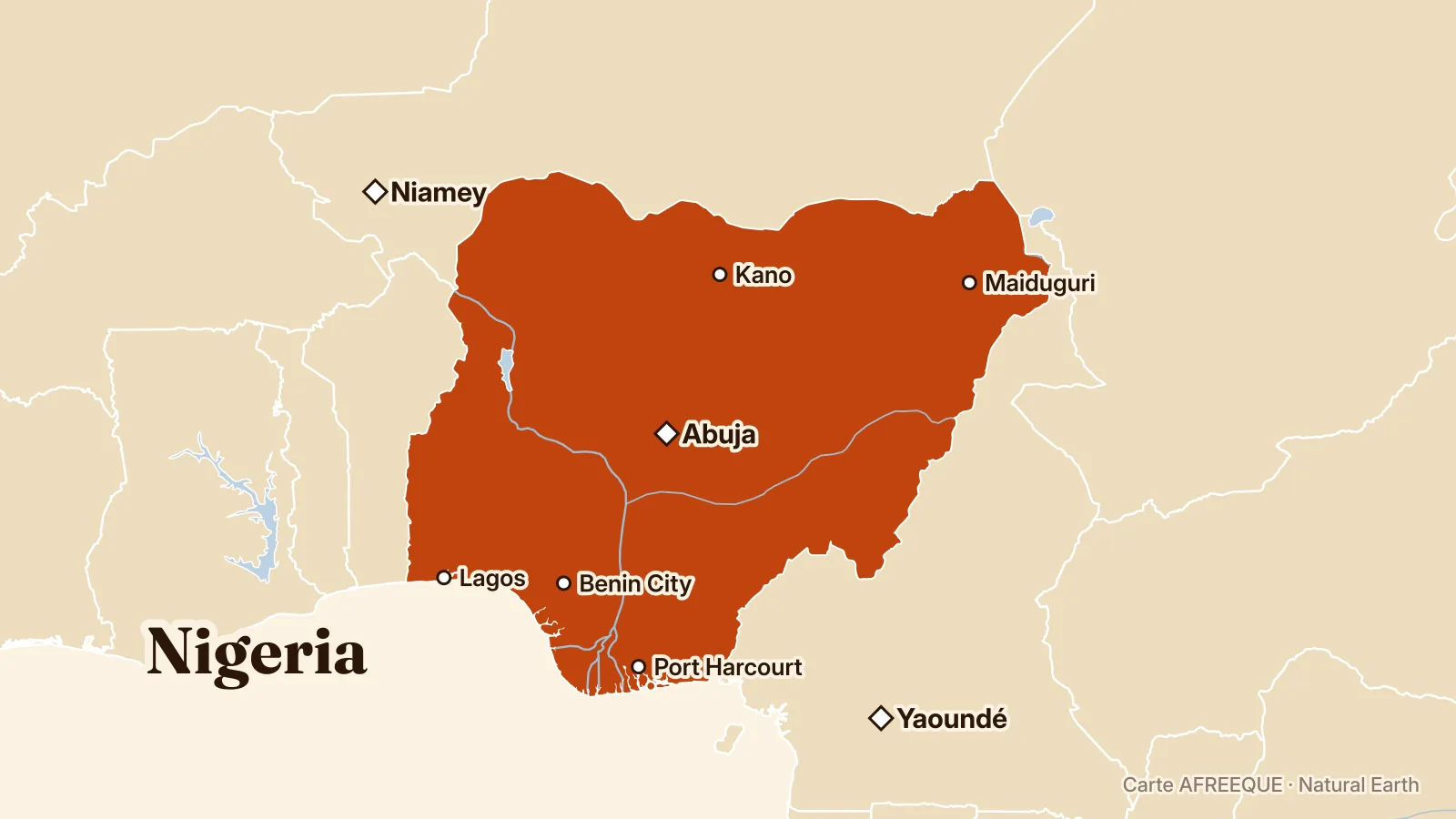
Map: Nigeria

Nigeria plans to settle the remaining 3.3 trillion naira owed to electricity producers in 2027, after already paying 1.23 trillion of a debt initially estimated at 6 trillion, according to Vanguard. Minister Joseph Tegbe is considering tax offsets and lower gas costs to finance the settlement, while ruling out an increase in electricity tariffs.

Joseph Tegbe announced a review of the electricity tariff model to improve the sector’s financial balance without increasing consumer bills. The government is examining, in particular, the price of gas supplied to power plants and the various components of tariffs. The minister reiterated that no price increases were being considered.

New debts accumulated in the electricity market amount to around 150 billion naira per month. Tegbe attributes this situation to shortcomings in bill collection, late payments by some customers and a lack of individual meters. The government has ruled out issuing a new bond to cover these liabilities. Instead, it plans to install seven million meters over three years. Around 2.8 million digital devices have already been deployed.

The minister also revisited a remark about refrigerators cooling excessively thanks to improvements in electricity supply. He said he had been joking following positive feedback from consumers and denied intending to play down the difficulties faced by Nigerians without electricity. His remarks followed the inauguration of a 1.6-megawatt mini power plant at the University of Abuja, where students had enjoyed a continuous electricity supply for about a year.

Tegbe believes that restoring a stable electricity supply could still take three to five years. He also criticised some previous investments, which he said had not been sufficiently grounded in technical considerations. Economist Wumi Iledare, for his part, advocates institutional reform, accompanied by decentralisation supported by effective regulation, accountability mechanisms and sufficiently strong institutions. In his view, replacing leaders alone will not resolve the sector’s shortcomings.
Share this article

Related stories

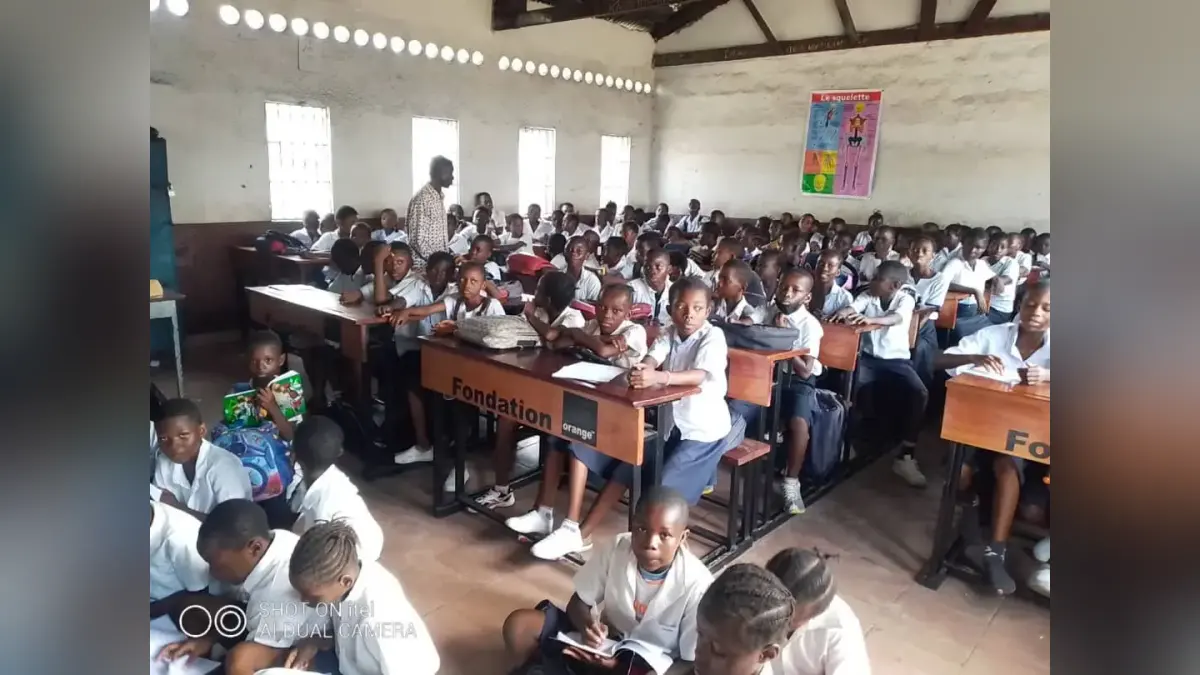
Education: 5,118 billion Congolese francs requested for 2027

Minister of State Raïssa Malu has requested 5,118,429,353,868 Congolese francs to fund National Education activities in 2027. Presented on 23 November before the Senate’s Economic and Financial Commission, the allocation is intended to support six priorities, including school infrastructure, improved learning and maintaining free primary education, according to Le Potentiel.

🇨🇩 DR Congo · Source: Beto ·

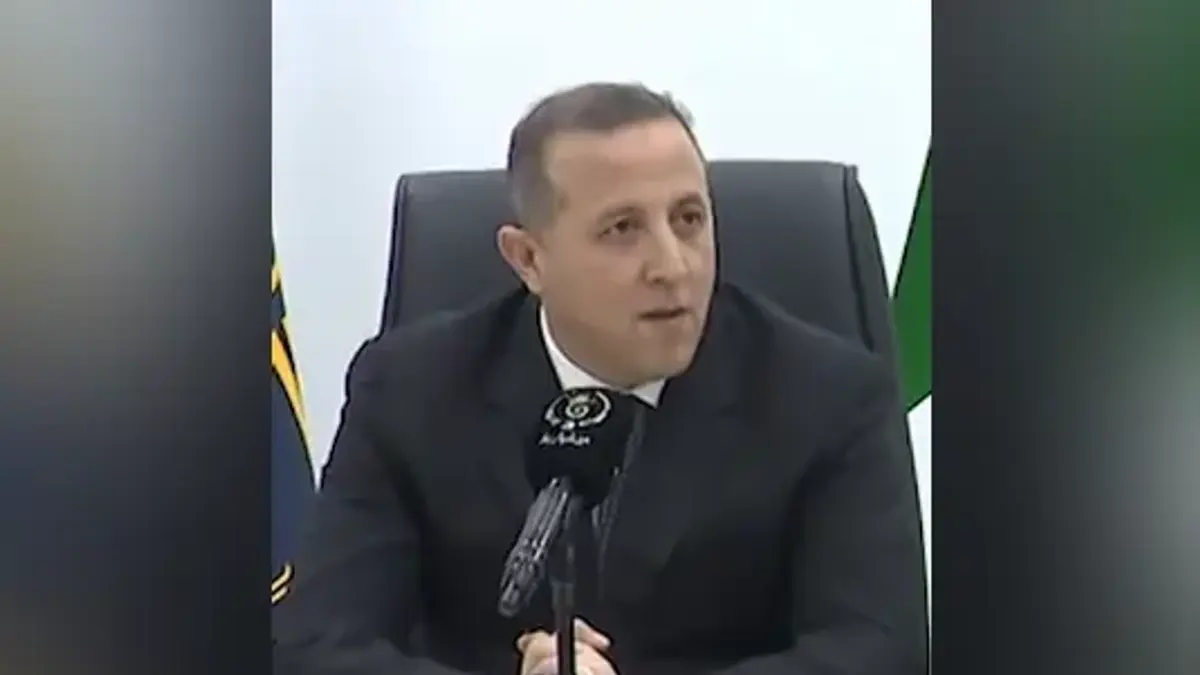
Algeria prepares to raise bank card payment limits

Algeria plans to increase payment limits for CIB interbank cards used by individuals and businesses, following an instruction from Finance Minister Mohamed Lamine Lebbou, according to TSA. The ABEF and SATIM have 15 days to propose the new thresholds and present a timetable for their implementation. The initiative aims to promote electronic payments and reduce the use of cash in shops.

🇩🇿 Algeria · Source: TSA ·

Morocco announces power plant project in Bamako

Morocco plans to support the installation of a power plant in Bamako, announced during a meeting between Ambassador Driss Isbayene and Malian Prime Minister Abdoulaye Maïga. The project is part of bilateral cooperation covering energy, agriculture, health and training, according to Bamada.net.

🇲🇱 Mali · Source: Bamada.net ·

Vitol plans $2.3 billion gas power plant in South Africa

Trader Vitol, through its Engen unit, plans to begin construction in late 2028 on a 40 billion rand, or $2.3 billion, gas-to-power project in Durban. It includes an LNG terminal and a 1.9-gigawatt power plant, but remains subject to a second gas procurement round and regulatory approvals, according to a Vitol statement cited by Reuters.

🇿🇦 South Africa · Source: Club of Mozambique ·

🇳🇬 Latest from Nigeria

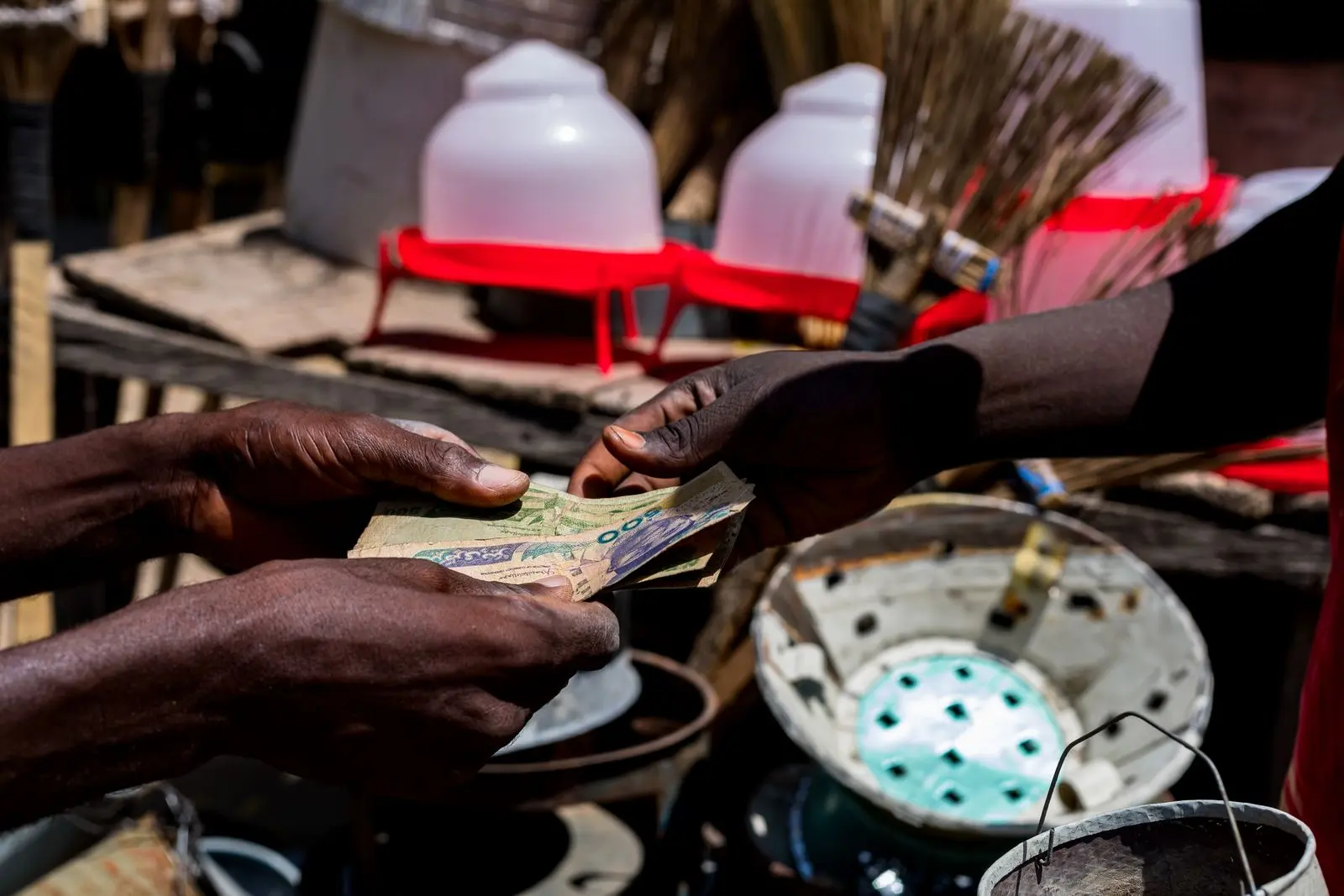
Naira loses 2.5% despite $1.30 billion in salesNaira loses 2.5% despite $1.30 billion in salesNigeria’s foreign exchange market recorded $4.67 billion in transactions in the week of 20 November, with demand exceeding the $1.30 billion sold by the Central Bank of Nigeria. The naira lost 2.5% over the week, closing at 1,394 naira to the dollar, according to FMDQ data reported by Leadership.All Nigeria news →

Business in West Africa

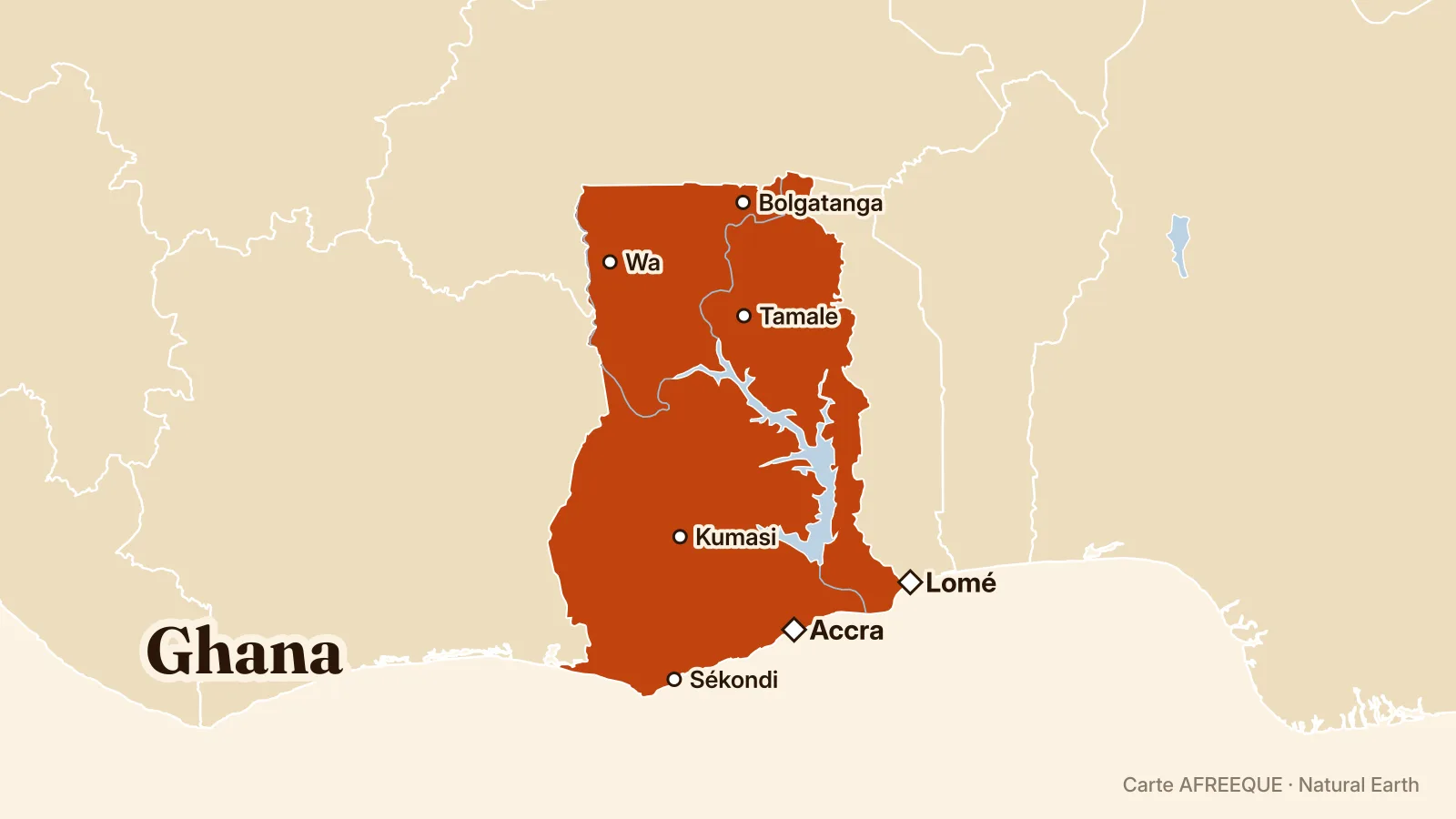
Map: GhanaUS funding cuts leave Ghanaian alumni struggling to secure grantsDr Joel Afi Duah, a 2019 Mandela Washington Fellow and municipal director of health in Tano South, says beneficiaries of US programmes are now struggling to access post-fellowship grants. According to him, these cuts, particularly those affecting USAID and USADF, are holding back former fellows' projects, and he is calling on the state to support public institutions at a summit in Kumasi.All Business news →

The week in Africa

This week’s highlights

  1. ECOWAS calls for gradual implementation of single currency from 2027🇨🇮 Ivory Coast
  2. AFCON 2025: CAS to deliver ruling on Tuesday 24 November🇸🇳 Senegal
  3. Russian strikes kill 15 people in Kyiv region🇺🇦 Ukraine
  4. Félix Tshisekedi calls for traceability of minerals exported from DR Congo🇨🇩 DR Congo
  5. Washington blacklists Megaspeed over suspected diversion of Nvidia chips🇺🇸 United States
All of this week’s highlights →

Africa in your inbox

Be the first to get our letter in English: the essentials from every region of the continent, free.

Free · one email a week · unsubscribe in one click. Your address is only used to send you the letter, never sold. Personal data

← Back to the news