Morocco, Algeria and Tunisia: three government models
By the AFREEQUE newsroom, based on Maghrebemergent
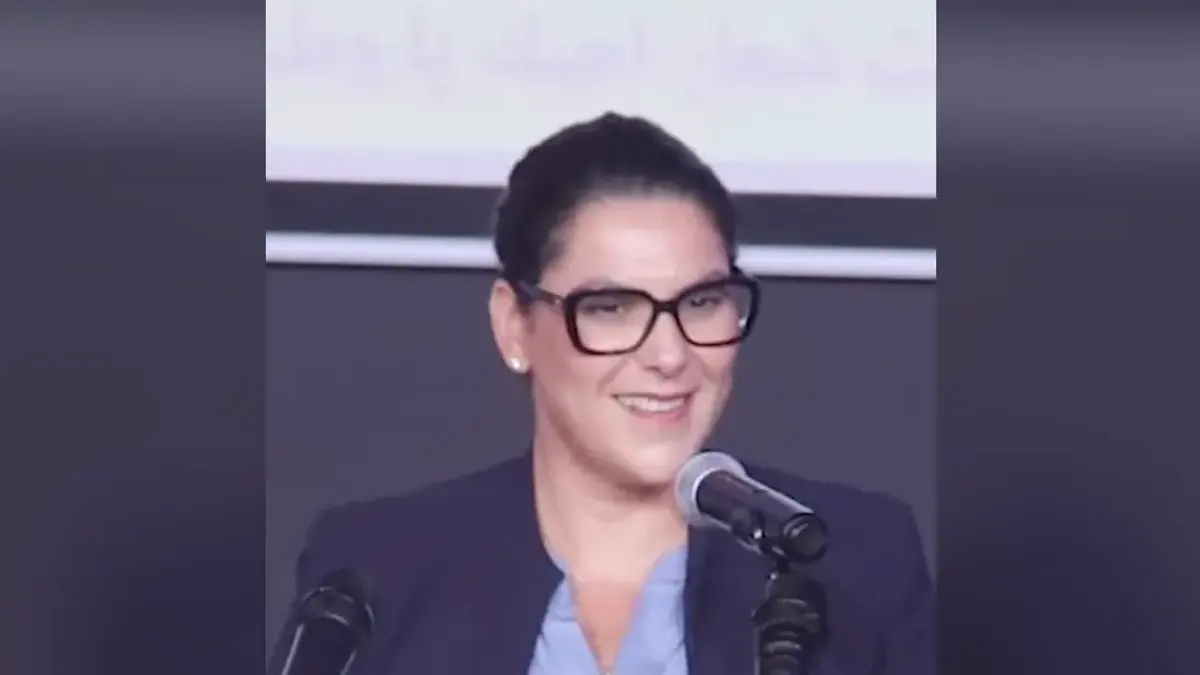
After Morocco’s 23 September 2026 parliamentary elections, the Authenticity and Modernity Party formed a 207-seat majority out of 395 with three allies. The analysis compares this coalition mechanism with government appointment rules in Algeria and Tunisia, according to Maghrebemergent.
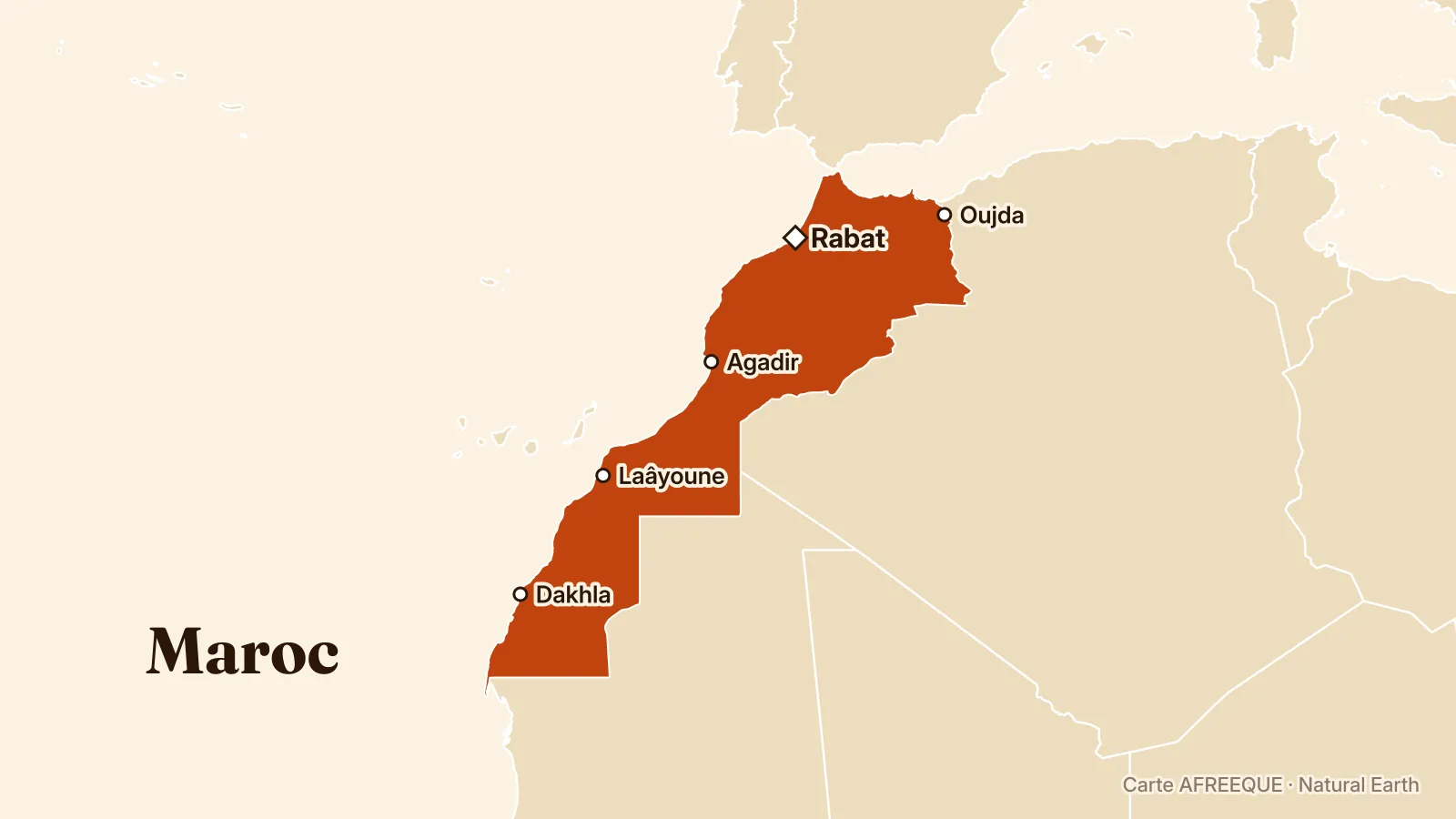
The formation of the Moroccan government following the 23 September parliamentary elections highlights different appointment rules in Morocco, Algeria and Tunisia, according to Maghrebemergent. In Morocco, the Authenticity and Modernity Party (PAM), which came first with 97 seats, reached an agreement with three parties to form a majority of 207 of the 395 members of the House of Representatives.
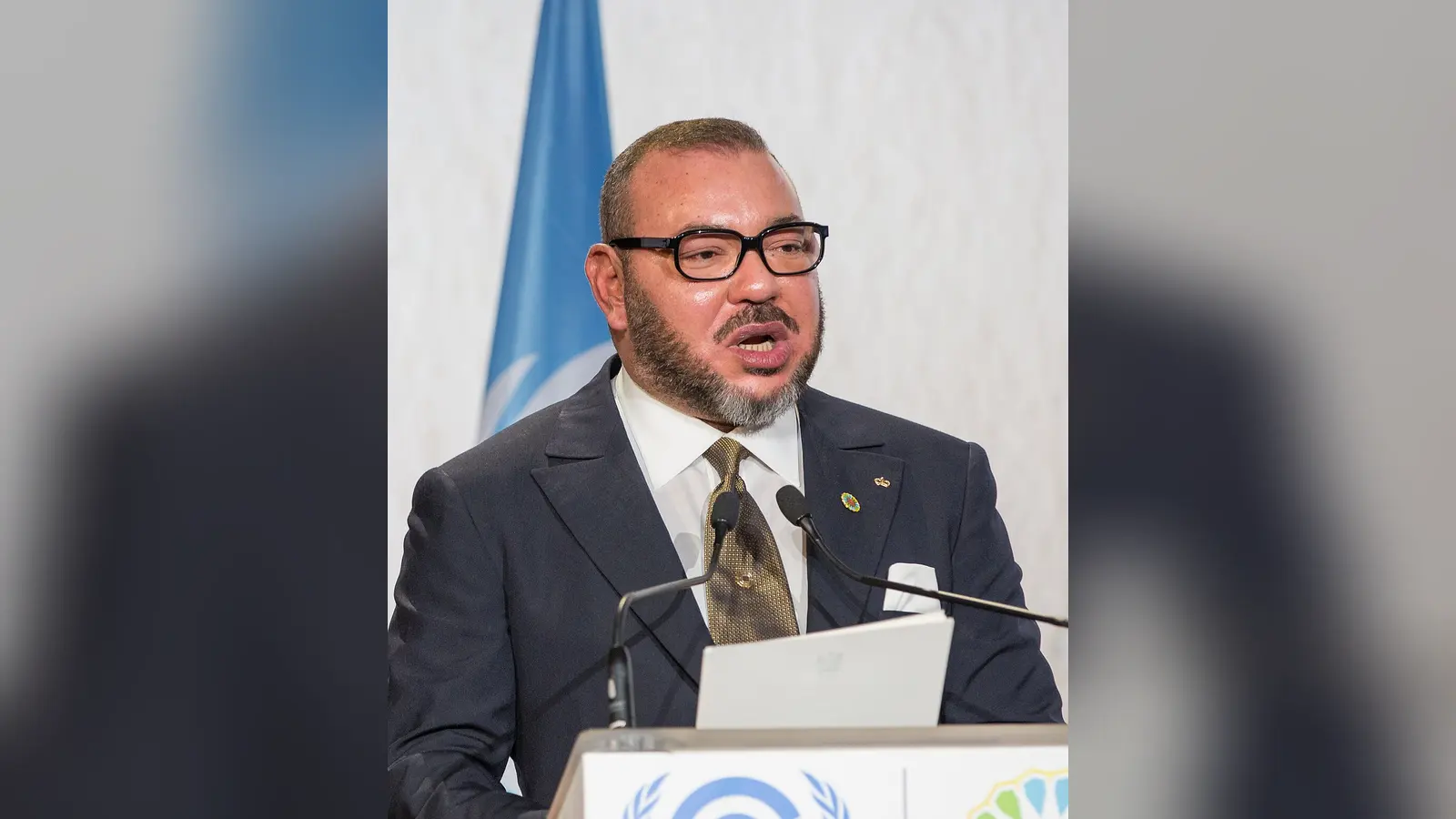
In Morocco, head of government Fatima Ezzahra El Mansouri led consultations after being appointed by King Mohammed VI. He appointed the members of the executive on 16 October. In Algeria, the Constitution revised in 2026 provides for two mechanisms to form a government, depending on the majority resulting from the 2 July parliamentary elections. The FLN, the RND and the El-Moustakbel Front, three parties supportive of the authorities, hold a combined 221 of the 407 seats in the National People's Assembly.
In Tunisia, the president appoints the head of government, and the choice is not determined by which party came first in the parliamentary elections. Maghrebemergent presents this as a contrast with the inter-party negotiations that shape the formation of Morocco’s majority.
Morocco’s 32-member government was appointed by Mohammed VI on 16 October, following the parliamentary elections and negotiations between parties. The appointment of Morocco’s executive is part of the political sequence described by Maghrebemergent.
Summary produced with the help of artificial intelligence tools, under AFREEQUE’s editorial responsibility.