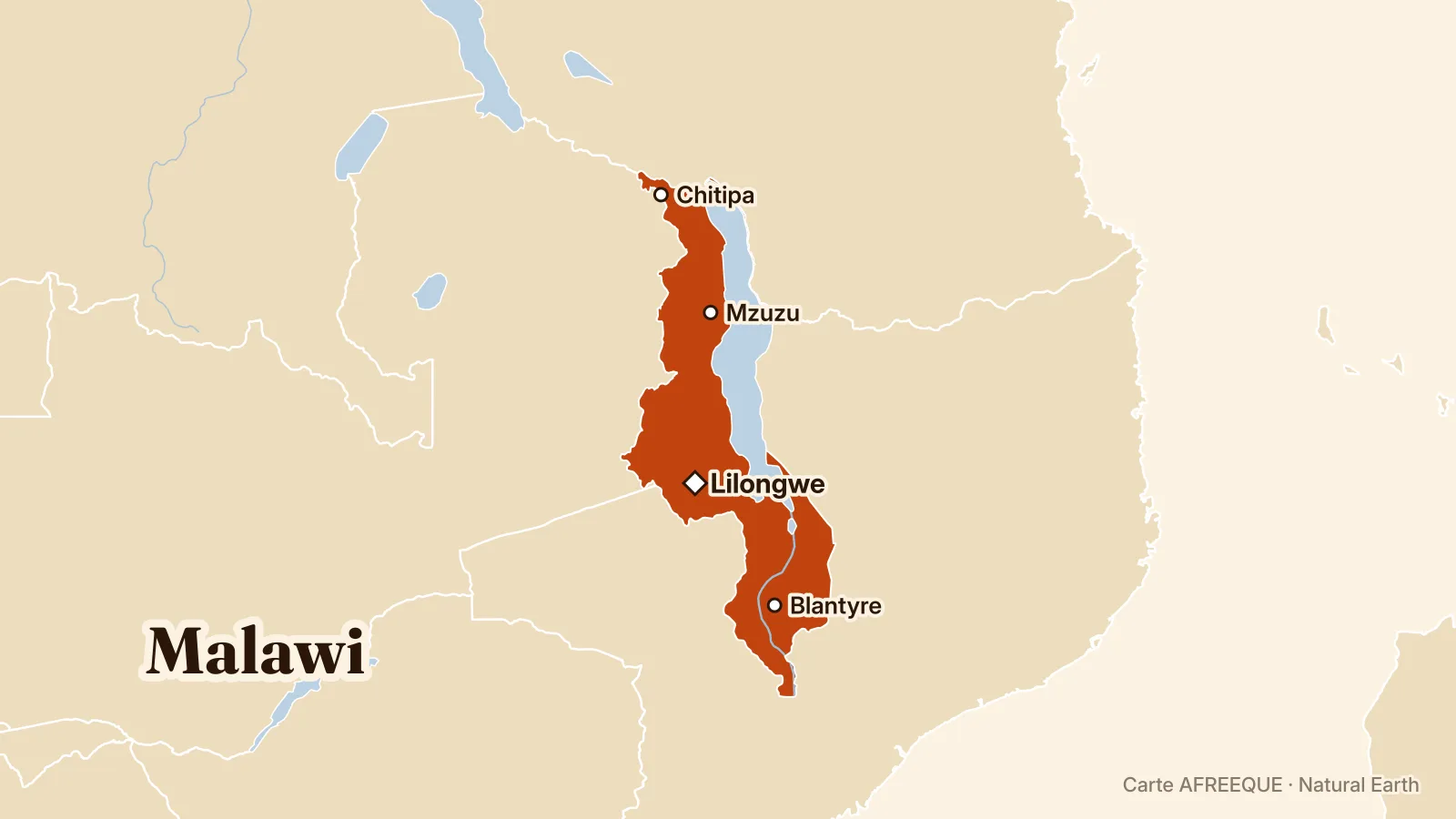
More than ten districts in Malawi have received no fertiliser
By the AFREEQUE newsroom, based on Nyasa Times
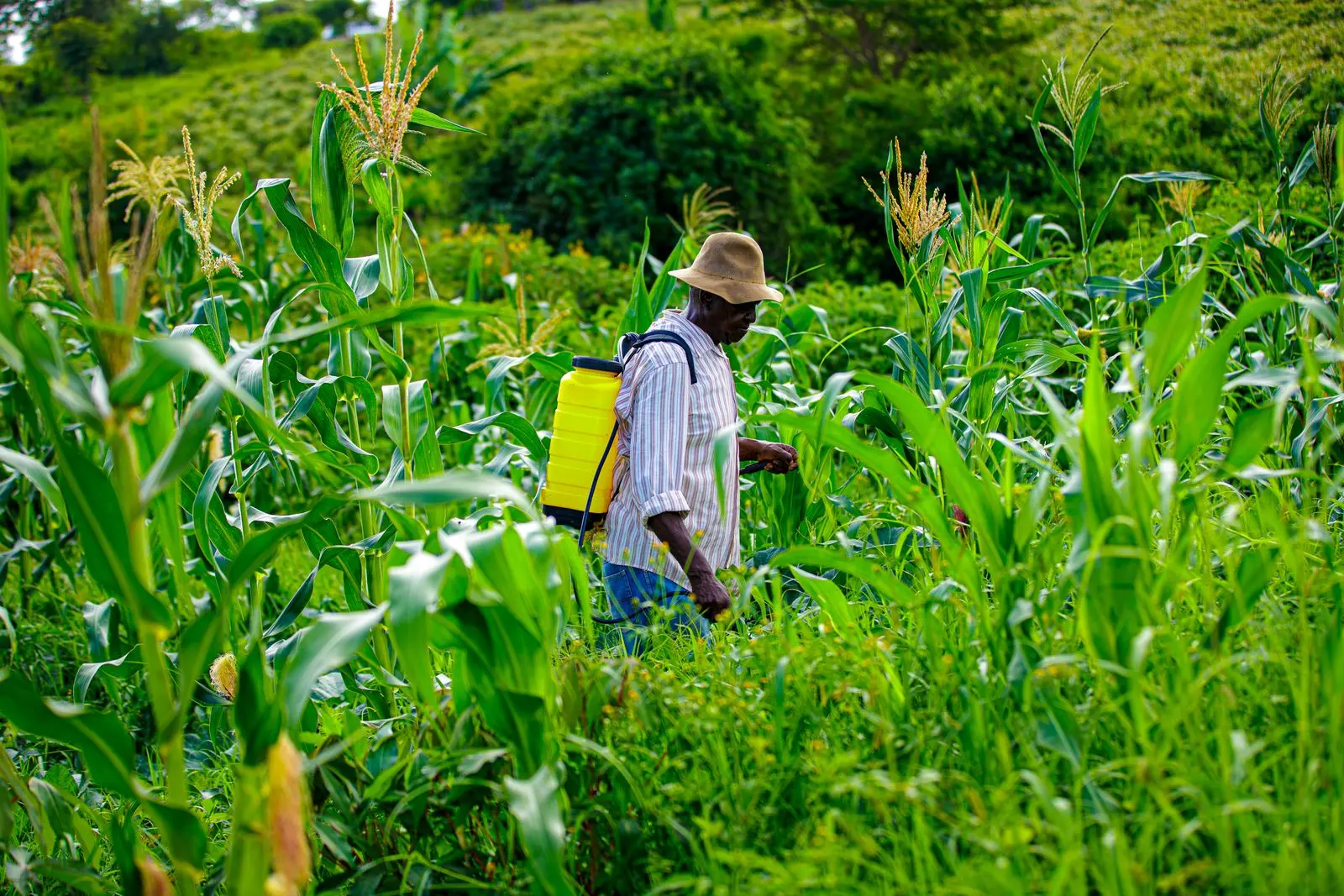 Illustrative image · Josiah Matthew · Pexels · Licence Pexels
According to checks carried out as of 27 November, more than ten districts have received no bags of fertiliser under the Farm Input Subsidy Programme (FISP), launched in September. Farmers are receiving mainly urea, although they need NPK, and agricultural extension officers believe the country lacks enough fertiliser for all beneficiaries, according to Nyasa Times.
More than ten districts in Malawi had received no bags of fertiliser under the government’s Farm Input Subsidy Programme by 27 November, as the planting season was drawing to a close, Nyasa Times found. In several other districts, beneficiaries had been received in only one agricultural planning area, while most farmers were still waiting for seeds.
Deliveries often consist of urea, a fertiliser generally used for top-dressing crops in February, whereas farmers are asking for NPK for planting. Agricultural extension officers believe that available stocks will not be sufficient to supply all beneficiaries.
The 2026-2027 programme provides for two farmers to share two bags, one of NPK and the other of urea, which they then mix with chicken manure, ash and maize cobs to produce Mbeya organic fertiliser. The mixture must be left to stand for at least 21 days, which could delay its use until January for beneficiaries supplied in December.
Elizabeth Namaona, national coordinator of the Civil Society Agriculture Network, described the scheme as too slow. She warned that El Niño-related forecasts were reducing farmers' margin for error and that every week lost between the planting period and the arrival of inputs reduced the chances of a good harvest, according to Nyasa Times.