Meatco considers bringing back 96 tonnes of beef stuck in South Africa
By the AFREEQUE newsroom, based on The Namibian
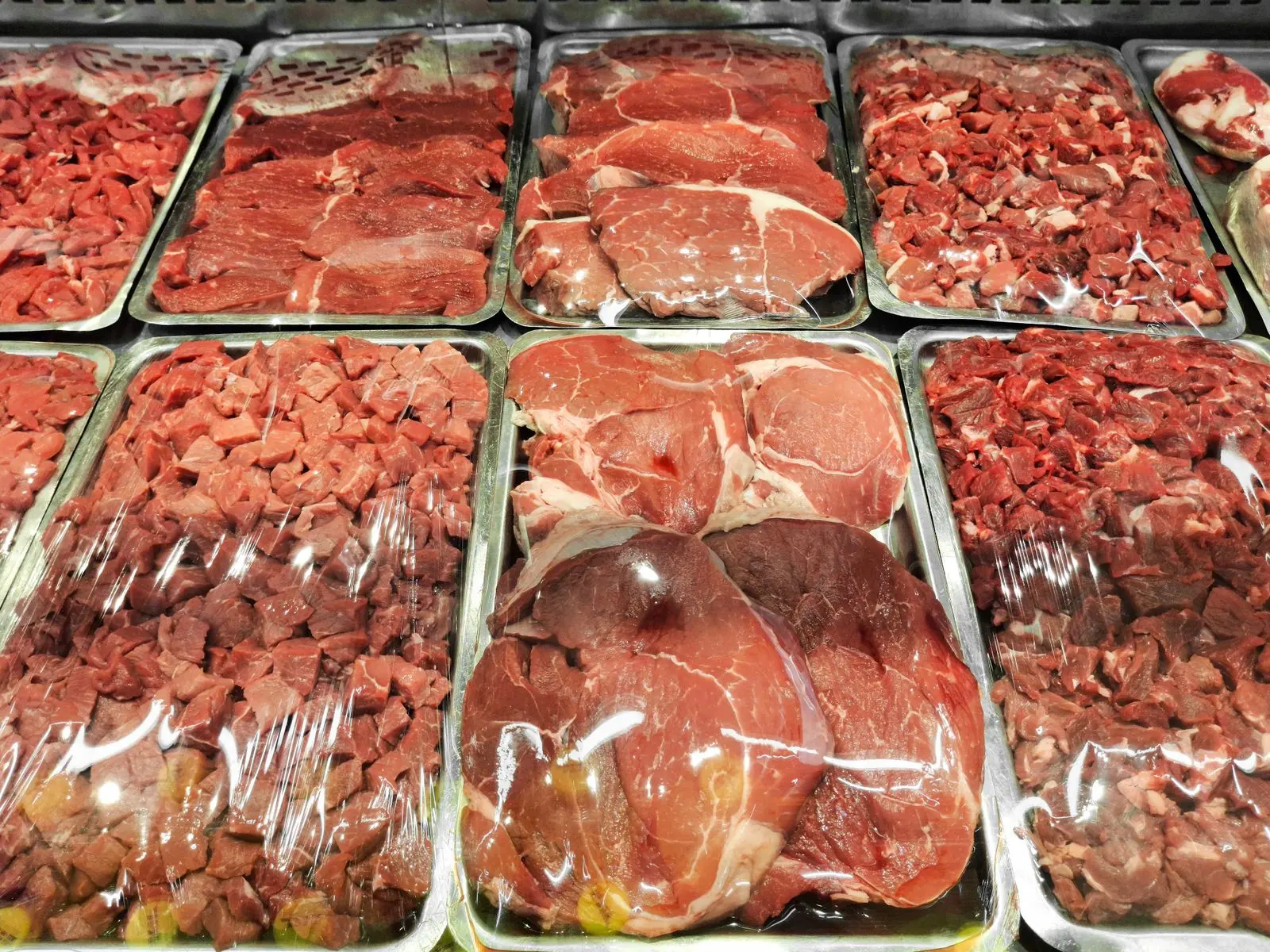 Illustrative image · Engin Akyurt · Pexels · Licence Pexels
Four to five containers of meat from the Meat Corporation of Namibia, about 96 tonnes, remain stuck in South Africa after the foot-and-mouth disease outbreak in Namibia. Interim chief executive Albertus Aochamub says the company is weighing bringing the meat back or selling it on the local South African market, he told the newspaper The Namibian.
Four to five containers of meat from Meatco, the Meat Corporation of Namibia, remain stuck in South Africa after the foot-and-mouth disease outbreak in Namibia, amounting to about 96 tonnes. Interim chief executive Albertus Aochamub told the daily The Namibian that the company is considering bringing this meat back or selling it on the local South African market. "We will still make a decision," he said. The other consignments in transit have already left the country. The sale goes through Meatco’s South African subsidiary, Namibia Meat Importers & Exporters.
Agriculture Minister Inge Zaamwani explains that this meat entered South Africa before the outbreak was confirmed on 23 September. Meatco was still looking for buyers and had not obtained the export certification, which is issued once the buyer and shipping date are fixed. The consignment is now subject to the restrictions targeting Namibia, and new certification would be required. According to the minister, Meatco and the Directorate of Veterinary Services agreed on possible measures: sending the products back to Namibia or selling them to customers who are still interested.
Last month, the South African Feedlot Association rejected imports of cattle and beef from Namibia and Botswana. According to the South African red meat producers' organisation, South Africa imported 417,808 lambs and 36,821 weaner calves from Namibia in 2026, compared with 379,959 lambs and 55,575 calves in 2025. Some South African abattoirs depend on Namibia for more than 70% of their sheep.