Louise Mushikiwabo will not get a third term at La Francophonie
By the AFREEQUE newsroom, based on Mali Actu, Beto and Kivu Morning Post
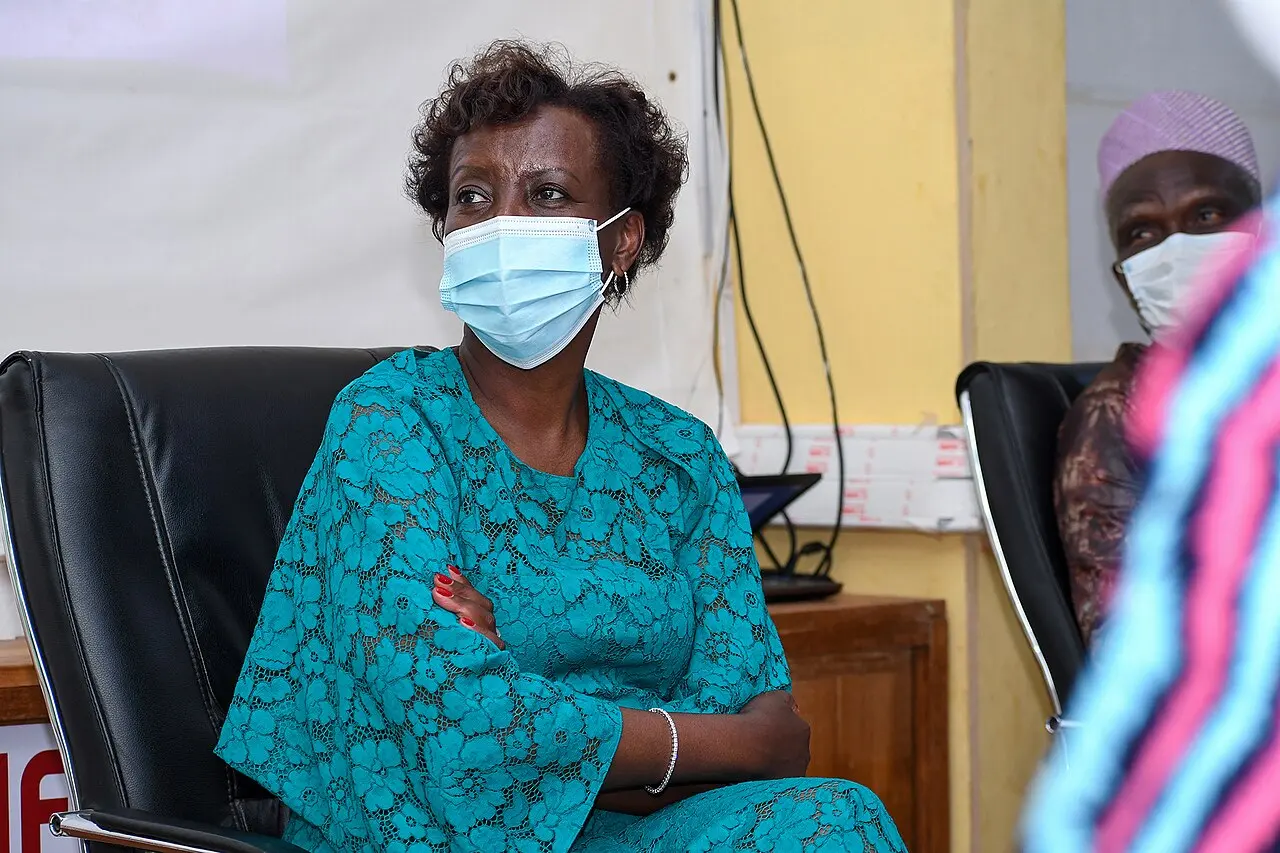
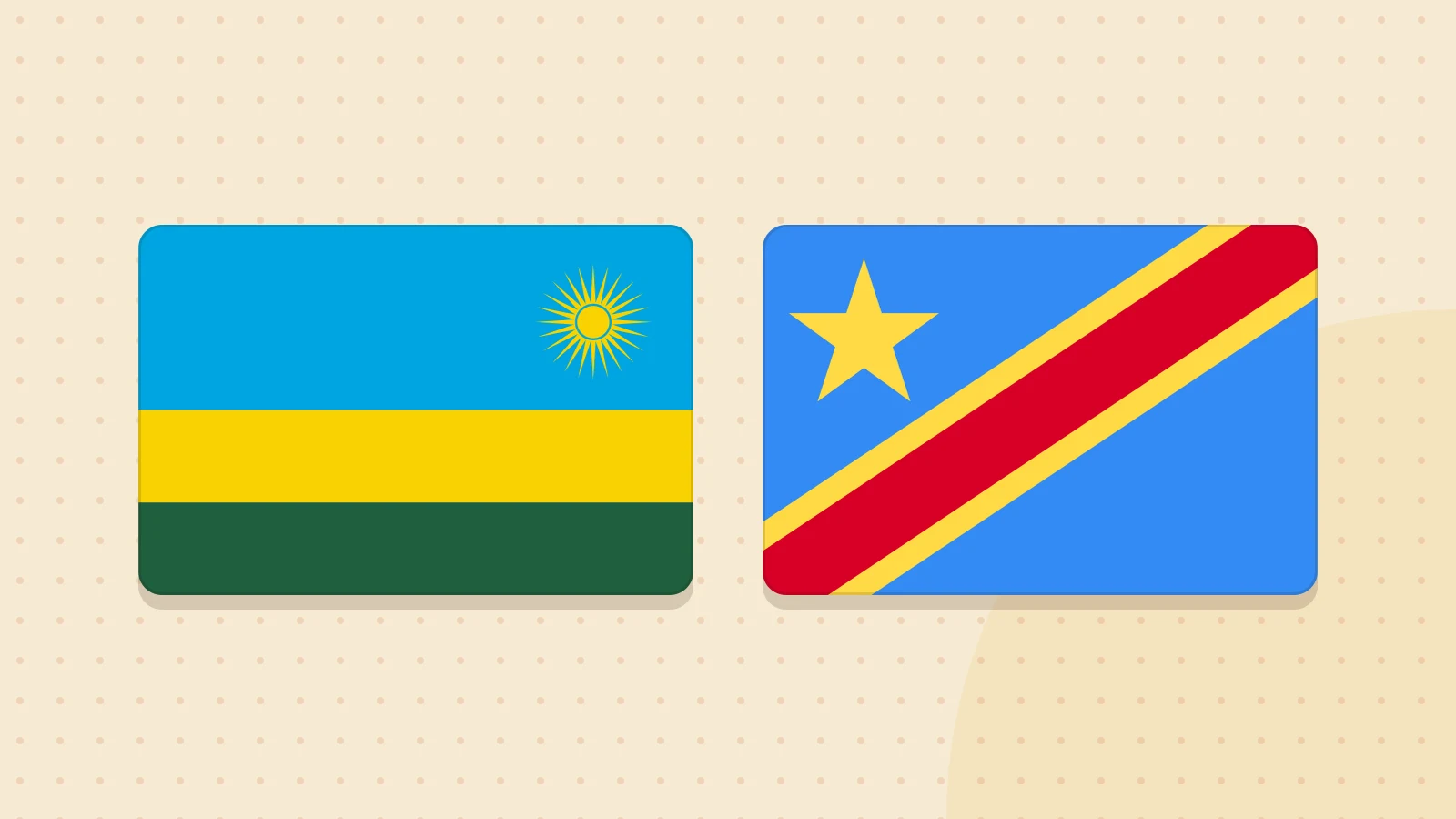
The International Organisation of La Francophonie (OIF) will not grant a third term to Louise Mushikiwabo, its outgoing secretary-general. A compromise between member states postpones the election of her successor by one year, according to Mali Actu. The compromise avoids a break between the DR Congo and Rwanda.
Louise Mushikiwabo will not get a third term at La Francophonie
The compromise reached on Monday 16 November within the OIF rules out any new term for Louise Mushikiwabo and postpones the election of her successor by one year, according to the Congolese government, which welcomed the decision. By contrast, another version of the decision speaks of a one-year extension of her term. On X, Minister of Communication Patrick Muyaya said that Kinshasa’s voice had been heard and that the unity of La Francophonie had been preserved, before assuring that no option for renewal would be offered to Rwanda.
The head of Congolese diplomacy, Thérèse Kayikwamba Wagner, said that this 12-month transition period should allow the process for designating the next secretary-general to be reformed. Candidacies already declared remain valid, and new ones may be submitted under the agreed terms. The DR Congo says it will continue to take an active part in the organisation’s work.
Kinshasa had put forward the candidacy of Juliana Lumumba against Ms Mushikiwabo before saying it was ready to withdraw it to foster consensus. The Congolese authorities had also publicly announced that they would leave the OIF if she were elected, citing the crisis in the east of the country, which pits them against the Front for the Refoundation of the Nation (FRN), led by former head of state Joseph Kabila. The discussions took place alongside the Francophonie summit in Phnom Penh, Cambodia, while Kigali had been defending a third term since 1 November and demanding a ballot.
Four candidates were in the running: Mauritanian Coumba Ba, Romanian Dacian Cioloș, Juliana Lumumba and Ms Mushikiwabo, who was among the favourites. In the view of researcher Ange Makadi Ngoy of the Ebuteli institute, this intermediate solution respects the limits set by Kinshasa. Togolese political scientist Paul Amegakpo, for his part, points to a decline in democracy in several member states.