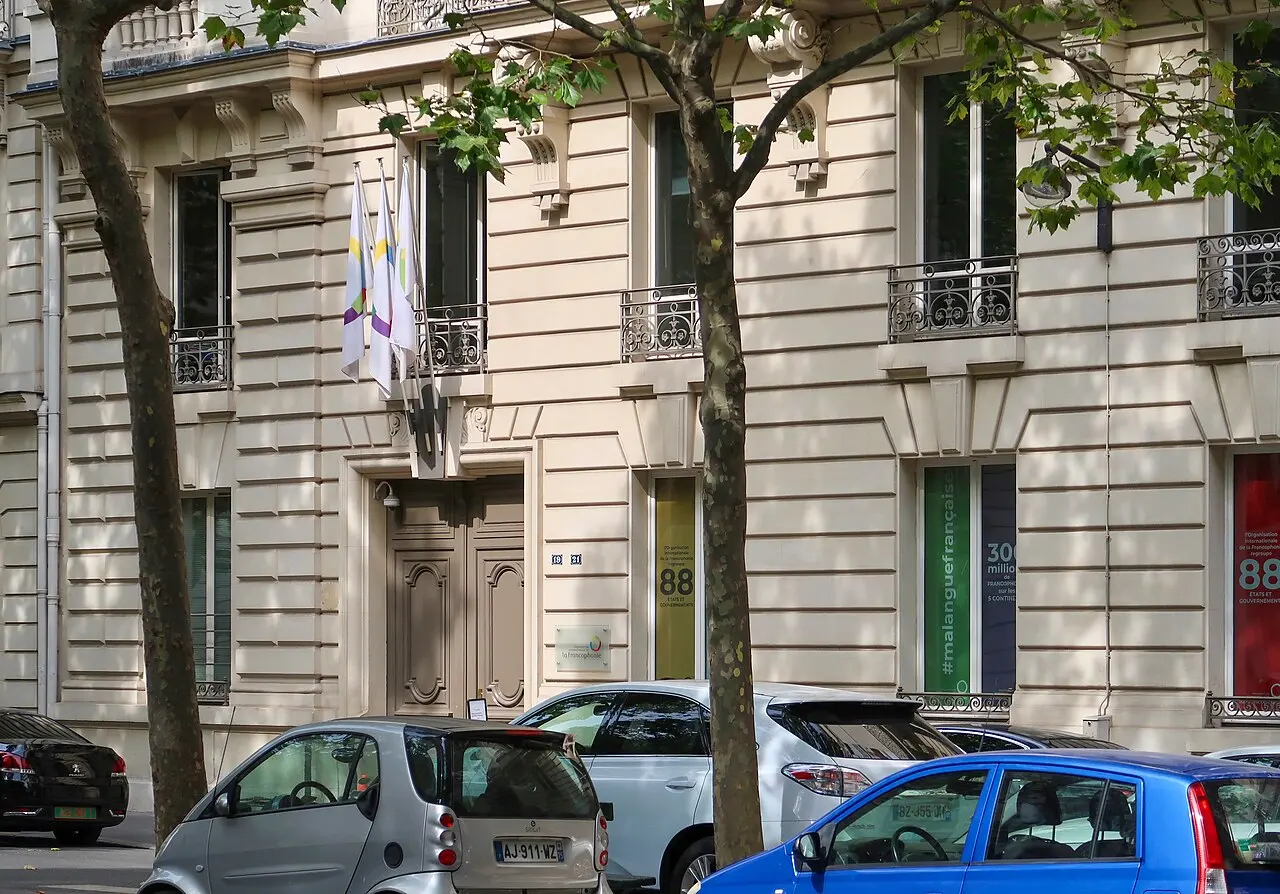
Louise Mushikiwabo wants DR Congo-Rwanda tensions to stay in Kivu
By the AFREEQUE newsroom, based on Umuseke and Panorama Rwanda
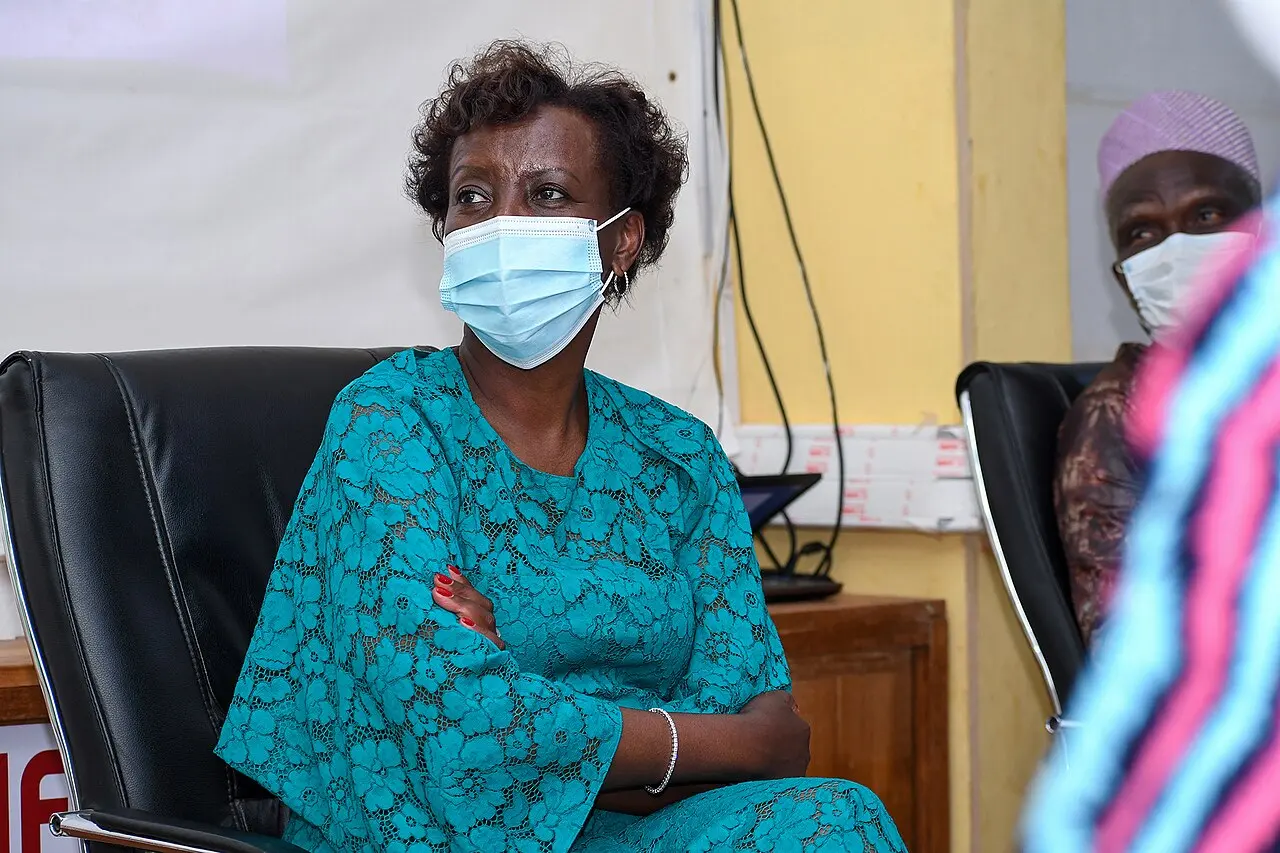
The election of Louise Mushikiwabo’s successor as head of La Francophonie has been postponed by a year for lack of consensus among member states. Meeting in Phnom Penh on Monday 16 November, at the 20th Summit, leaders decided that the Secretary-General will remain in post for twelve more months, and that Rwanda will not put forward a candidate at the following election.
The appointment of Louise Mushikiwabo’s successor as head of the International Organisation of La Francophonie has been postponed by twelve months, for lack of agreement among member states. According to Umuseke, the current Secretary-General will keep her post during that period, while Rwanda will not be able to put forward a candidate at the next appointment.
The decision was taken on Monday 16 November 2026, the day Phnom Penh, in Cambodia, hosts the 20th Summit of La Francophonie. Leaders preferred this compromise to a vote that could deepen divisions, after several days of consultations that did not bring positions closer. Louise Mushikiwabo, in post since 2018 was seeking a third term.
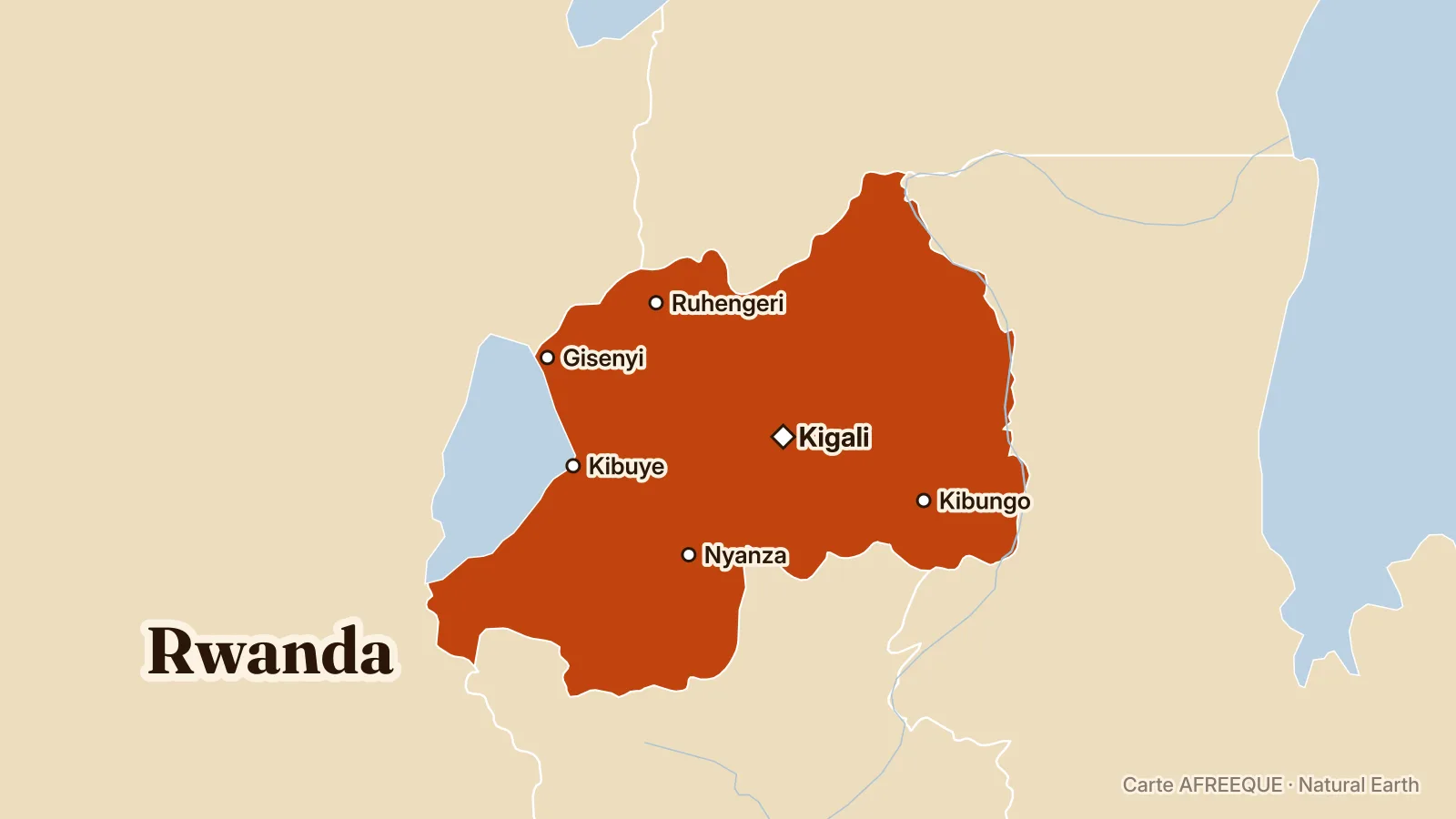
Kinshasa had initially backed Juliana Amato Lumumba, whose father, Patrice Lumumba, had served as Congolese prime minister, and opposed a further renewal, against a backdrop of tensions with Kigali over security in eastern DR Congo. In an interview with TV5 Monde Afrique, Louise Mushikiwabo said that the dispute between the two countries would be better kept on the shores of Lake Kivu, rather than reaching the Mekong or the Seine, and that the Francophonie must not become a battleground.
Other figures were also mentioned, among them Dacian Cioloș, who led the Romanian government, and Coumba Ba, who was a minister in Mauritania. Despite calls for unity from partners such as France and Canada, differences complicated the negotiations. Since the post was created in 1997, secretaries-general had been appointed by consensus, making this postponement unprecedented. The organisation brings together 90 states and governments, 53 of which hold full membership status and take part in the appointment.