In Tunisia, contributors per pensioner fall from 5.75 to 2.28
By the AFREEQUE newsroom, based on Tunisia Online
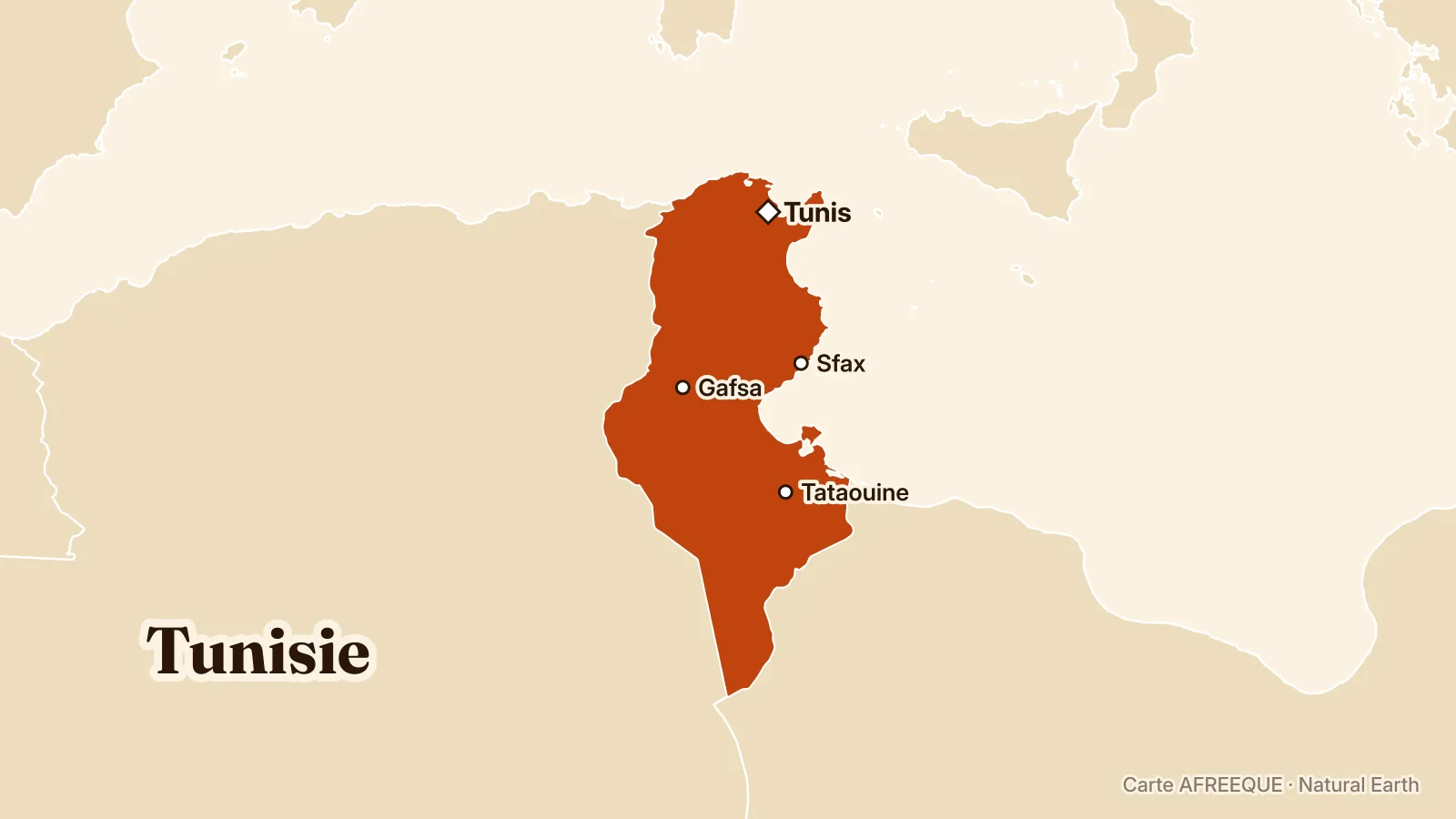
The ratio of contributors to pensioners in Tunisia fell from 5.75 in 2001 to 2.28 in 2022, weakening the pay-as-you-go system. According to the National Institute of Statistics, only 238 workers will remain for every 100 seniors in 2044, while the cumulative deficit of the public and private pension funds reached 1.54 billion dinars in 2022, according to Tunisia Online.
According to a study published in July 2026 in the International Journal of Innovative Inventions in Social Science and Humanities, the number of contributors per Tunisian pensioner fell from 5.75 in 2001 to 2.28 in 2022. The system relies on pay-as-you-go: workers finance current pensions, counting on tomorrow’s workers to do the same.
Both main funds are in difficulty: the National Social Security Fund (CNSS), which covers the private sector, and the National Pension and Social Welfare Fund (CNRPS), which covers the public sector. Their combined net deficit reached 1.54 billion dinars in 2022, and their joint debt rose from 2.44 billion in 2016 to 15.46 billion in 2022. Technical reserves have been depleted since 2013.
The study shows the two funds do not react in the same way. The CNSS is sensitive to labour market shocks: with unemployment at 15.4% in the third quarter of 2025 and informal work absorbing 38% of employment, its deficits widen almost immediately. A rise in unemployment worsens its balance by a cumulative 1.68 percentage points over ten periods, compared with 0.05 points for the public fund.
Projections by the National Institute of Statistics expect people over 60 to outnumber those under 15 by around 2036. In 2044 there would be only 238 working-age people for every 100 seniors, compared with 463 in 2019, meaning the burden on each formal-sector employee would nearly double.