









GEPetrol rations fuel and requires permits in Malabo
By the AFREEQUE newsroom, based on Radio Macuto
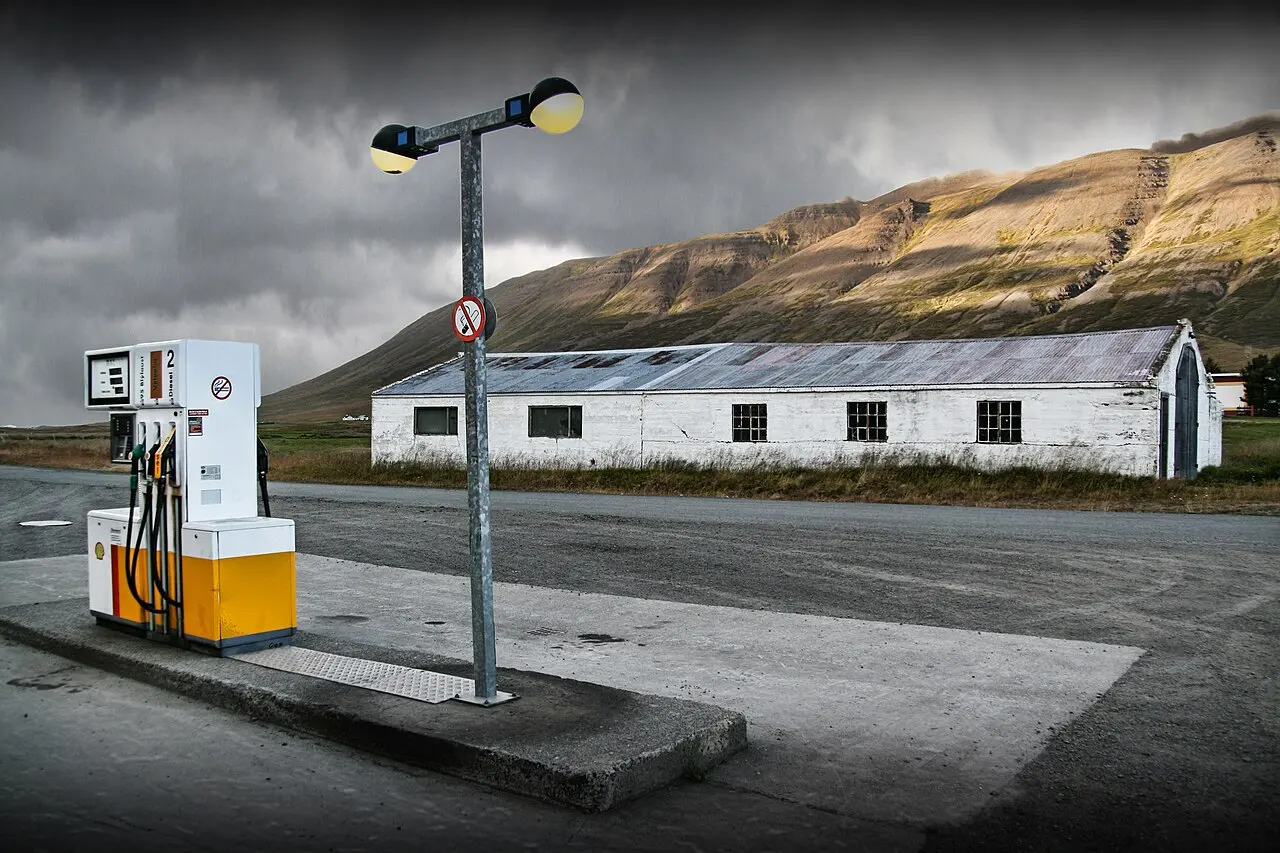
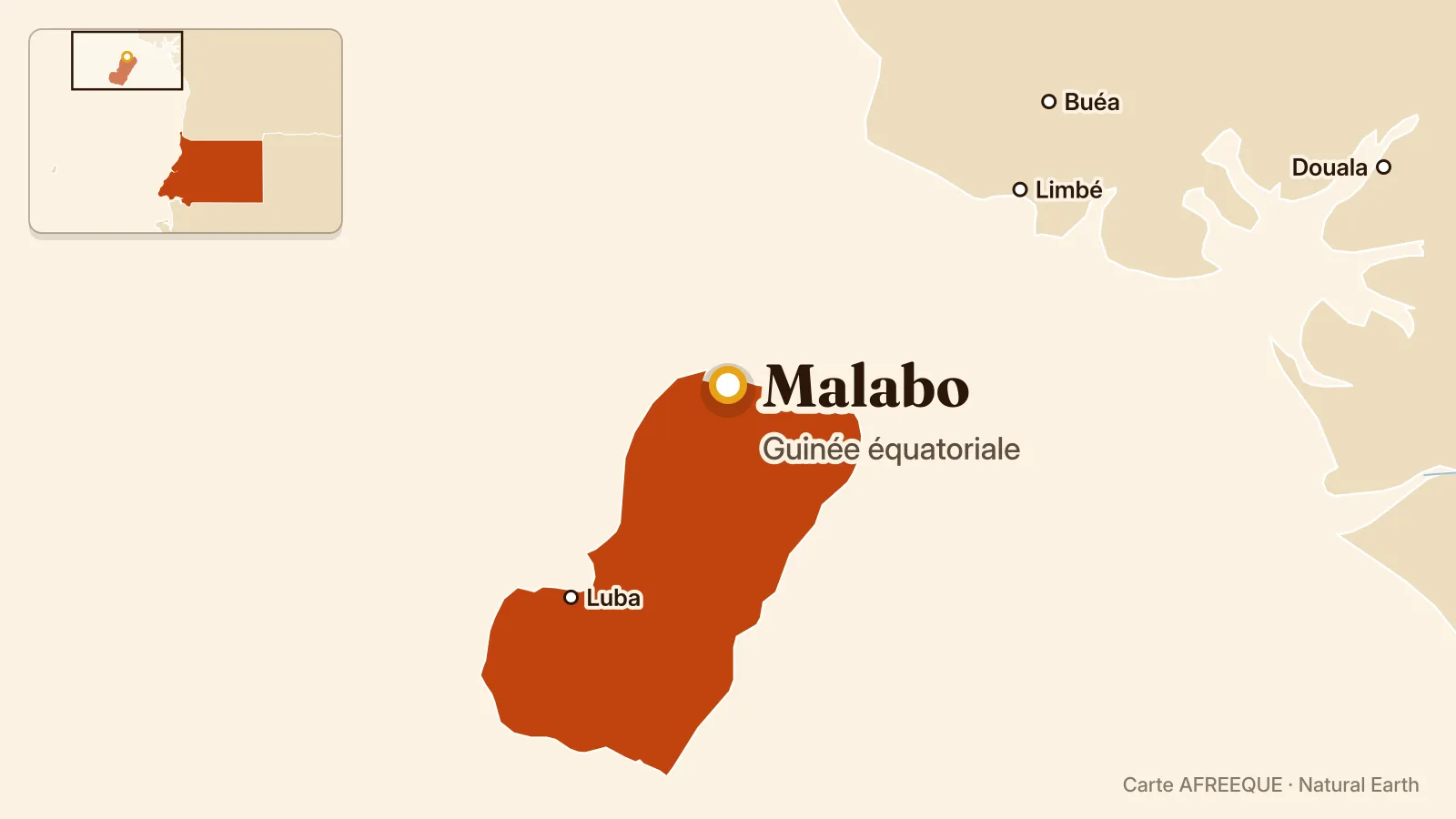
GEPetrol Servicios, Equatorial Guinea’s state-owned company, has reserved certain stations in Malabo for taxis, lorries and commercial vehicles, while others serve private motorists. It also requires a permit to buy fuel in containers, a temporary measure announced amid shortages, according to Radio Macuto.
GEPetrol Servicios, Equatorial Guinea’s state-owned fuel distribution company, has introduced a system allocating Malabo petrol stations according to vehicle categories and made prior authorisation compulsory for all purchases of petrol or diesel in containers, Radio Macuto reports. The Semu and Sampaka stations are now reserved for authorised taxis, official public transport, company vehicles and heavy goods vehicles. Those at Fishtown and Hassan II serve private cars and official vehicles.
The company describes these restrictions as temporary and says it aims to limit gatherings outside stations and facilitate fuel supplies. The new permit requirement also applies to purchases in containers other than vehicle fuel tanks. It particularly affects households and small businesses that use fuel-powered generators during electricity cuts imposed by SEGESA, the national electricity company.
The measure comes amid supply difficulties. At a meeting chaired by Teddy on 26 November, Equatorial Guinean authorities acknowledged that GEPetrol Servicios was then the only distributor with petrol and diesel available in the country. They also announced extended opening hours. Total stations remain closed, while Tradex reportedly has only around 1,200 cubic metres of petrol left, according to the official communication.
In October 2026, Equatorial Guinea’s vice-president gave GEPetrol’s executives 48 hours to present a plan to turn the company into the country’s sole fuel distributor, according to Sikafinance. The government had also announced an investment of 20 million dollars, or approximately 11.7 billion CFA francs, to build up reserves covering three to six months of consumption.
The rationing follows measures taken by the authorities to address supply difficulties. On 22 October, the vice-president asked GEPetrol to prepare a plan to tackle fuel shortages. On 1 November, queues reappeared at petrol stations in Malabo.