Fuel shortage in Malawi sparks violence at petrol stations
By the AFREEQUE newsroom, based on Al Jazeera
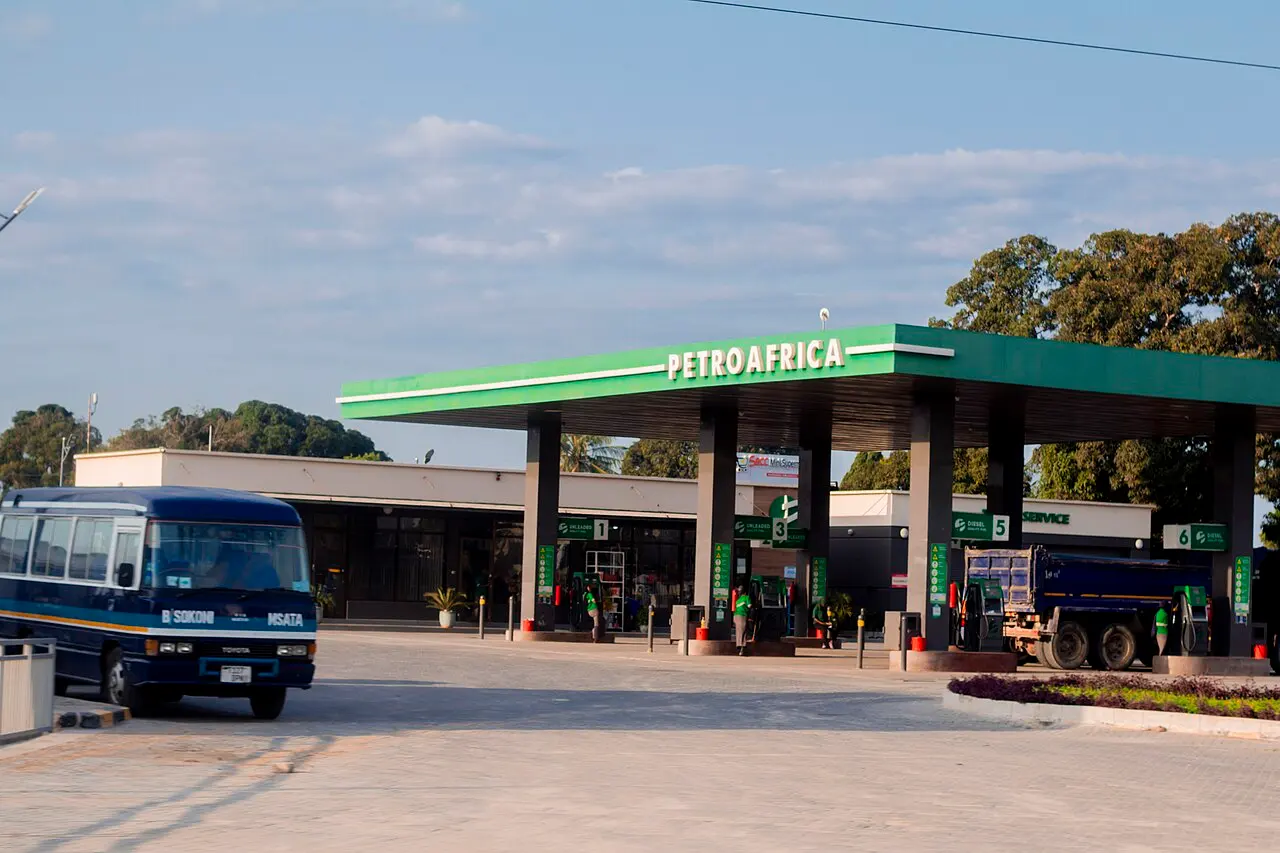
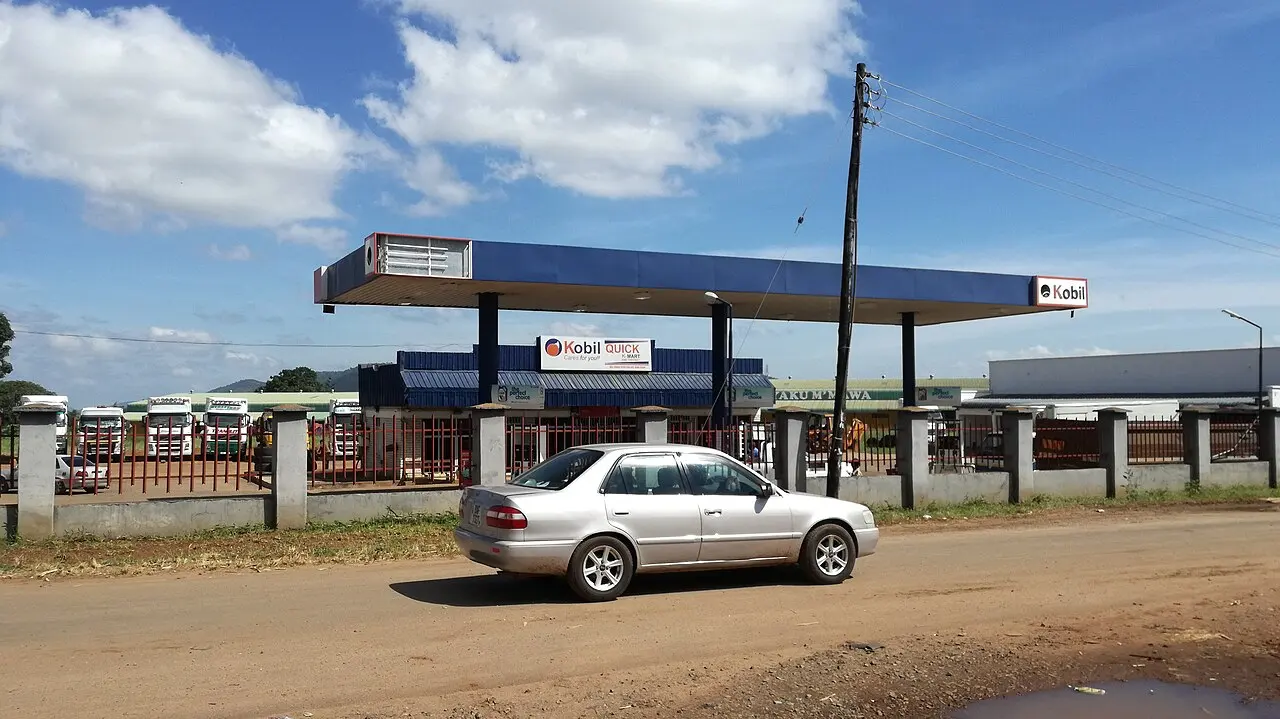
Finding petrol in Malawi has become an uphill struggle: motorists sometimes wait for hours, or even all night, without knowing whether a tanker will arrive. According to Al Jazeera, petrol stations have become hotspots for violence, with videos of clashes circulating on social media.
The fuel shortage in Malawi is causing repeated altercations at petrol stations, where motorists sometimes wait several hours or even all night to obtain petrol. In Blantyre, some drivers face particularly long queues and jostling when minibuses and motorcycle taxis attempt to move ahead of other customers, Al Jazeera reports.
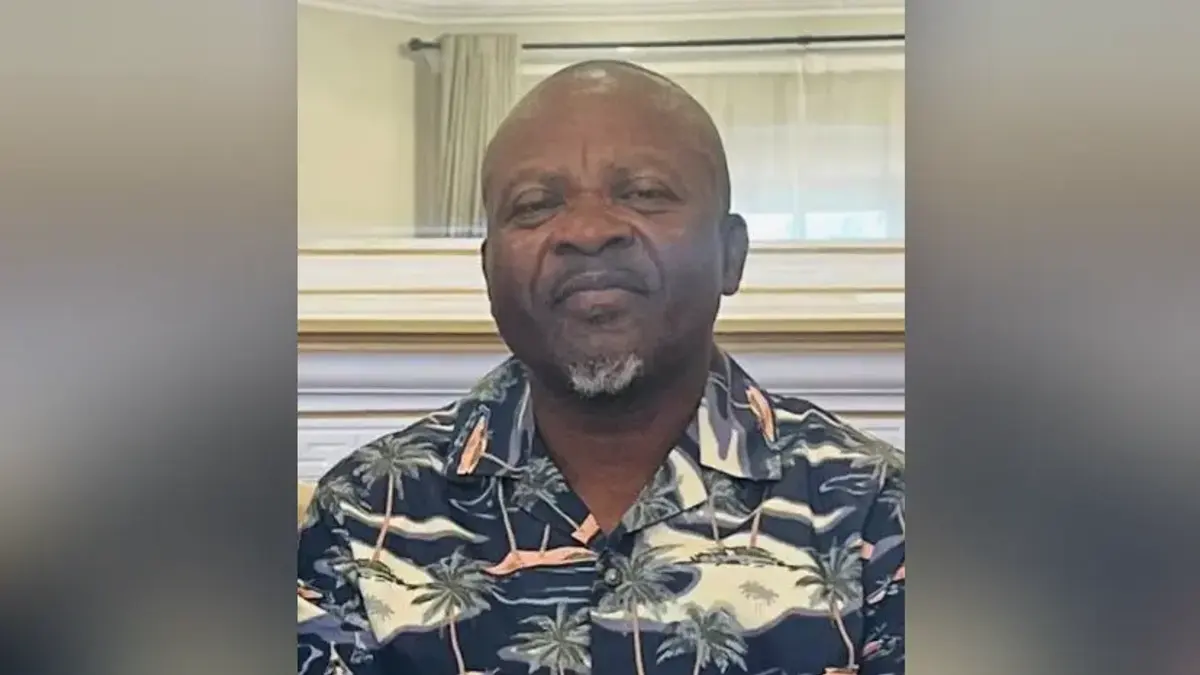
Ken Mhango, a 40-year-old motorist living in Blantyre, says he waited four hours to buy 20 litres of fuel. Other customers have spent the night at petrol stations. On another occasion, he joined a group of drivers looking for a delivery at the Nyabadwe station. Arriving at 5 pm, he waited until 9 pm for the tanker to arrive; it did not leave until 1 am.
The Malawi Energy Regulatory Authority publishes daily forecasts of which stations are likely to receive deliveries. Uncertainty over fuel arrivals nevertheless makes it difficult to plan journeys. Purchases are generally rationed to 20 litres a day, according to Ken Mhango, who says some motorists pay petrol station attendants extra to obtain an additional five litres.
The tensions have also led to serious incidents. The mayor of Blantyre is facing an assault complaint following an altercation in a queue, according to local media. A petrol station employee was also killed after being struck by a vehicle during a crowd surge. Videos showing clashes at petrol stations have also circulated on social media, although the circumstances of some scenes could not be independently established.
The crisis had already been declared a national emergency in Malawi on 22 October 2026. On 16 November, a petrol station attendant was also killed during a crowd surge in Lilongwe, according to information reported in our coverage of the death of a petrol station employee in Lilongwe.