France detects first human case of Shamonda virus
By the AFREEQUE newsroom, based on Citizen
France has detected the first known human case of Shamonda virus in a severely immunocompromised patient who died at the beginning of the month. Health and agriculture authorities say the infection is exceptional and poses no risk to the general population, according to their joint statement reported by Citizen.
France has detected its first human infection with the Shamonda virus in a severely immunocompromised patient who died at the beginning of the month. The French ministries of Health and Agriculture said on Thursday that no health risk to the general population had been identified at this stage.
The patient, who had been hospitalised for a serious condition, is believed to have contracted the virus after being bitten by a midge in eastern France. The neurological complications observed before his death were very probably linked to the infection, according to the French authorities’ initial conclusions, as they continue their clinical, biological and epidemiological investigations.
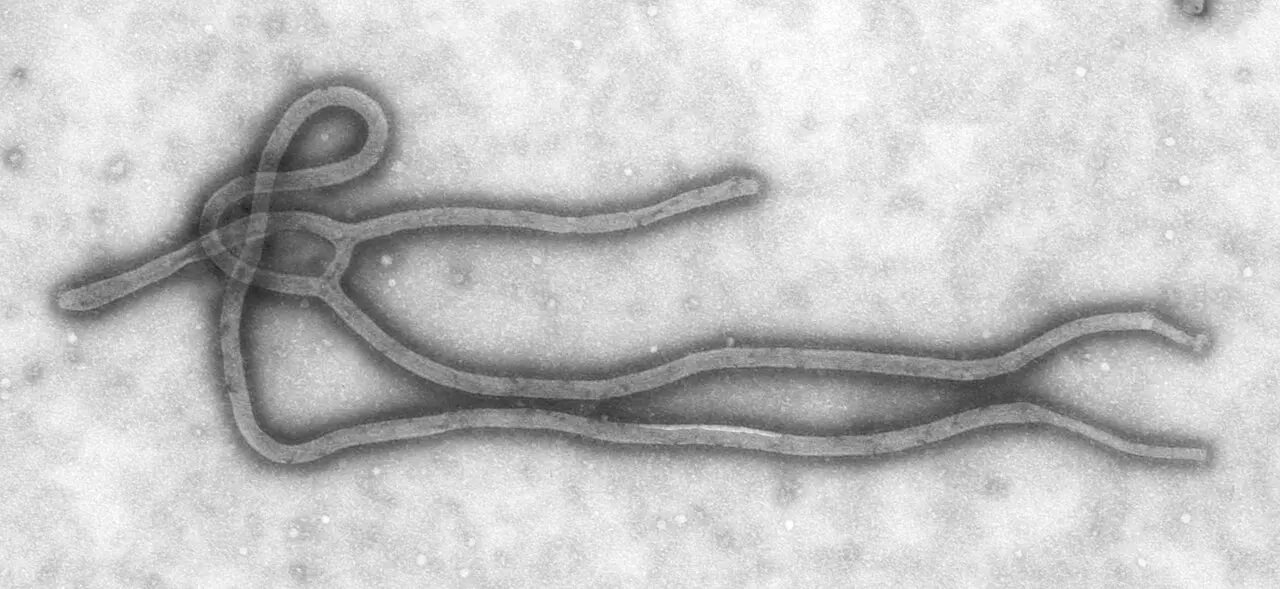
The Shamonda virus usually affects farm animals and belongs to the orthobunyavirus group. First detected in Nigeria in the mid-1960s, it was identified this summer in French cattle herds and is now reported in 14 Western European countries, according to the epidemiological bulletin of the French institute responsible for monitoring animal health.
Cattle are its main hosts and can develop acute diarrhoea, fever, lethargy and reduced milk production. The World Health Organisation and the European Centre for Disease Prevention and Control were informed of the human case, according to the two ministries.
Summary produced with the help of artificial intelligence tools, under AFREEQUE’s editorial responsibility.