Forensic AI helps investigators detect digital fraud
By the AFREEQUE newsroom, based on Financial Gazette (Zimbabwe)
 Illustrative image · Anete Lusina · Pexels · Licence Pexels
According to an opinion piece by Last Mapuranga in the Financial Gazette, fraud has shifted from physical theft to the exploitation of digital identities and AI, notably through deepfakes. Forensic AI combines advanced analytics and investigation to spot suspicious patterns, without declaring guilt in place of investigators.
In an opinion piece published by the Financial Gazette, Last Mapuranga argues that fraud has evolved from physical theft to schemes exploiting digital identities, connected systems and human trust. He describes this evolution in three stages, "steal the card", "steal the data" and then "steal at scale", which overlap rather than follow one another.
The author presents forensic AI as an investigative framework based on reliable data, analytical methods, investigators' expertise, governance and human oversight. It does not name a culprit: it helps test hypotheses and build defensible accounts of events. A convincing voice, video or model alert does not constitute proof, he adds: its provenance must be verified and it must be corroborated by independent evidence.
He cites the 2026 report of the Association of Certified Fraud Examiners on occupational fraud: 2,402 cases in 143 countries and territories, with losses of more than 3.4 billion dollars. These figures do not measure global fraud and are not an estimate of AI-driven fraud.
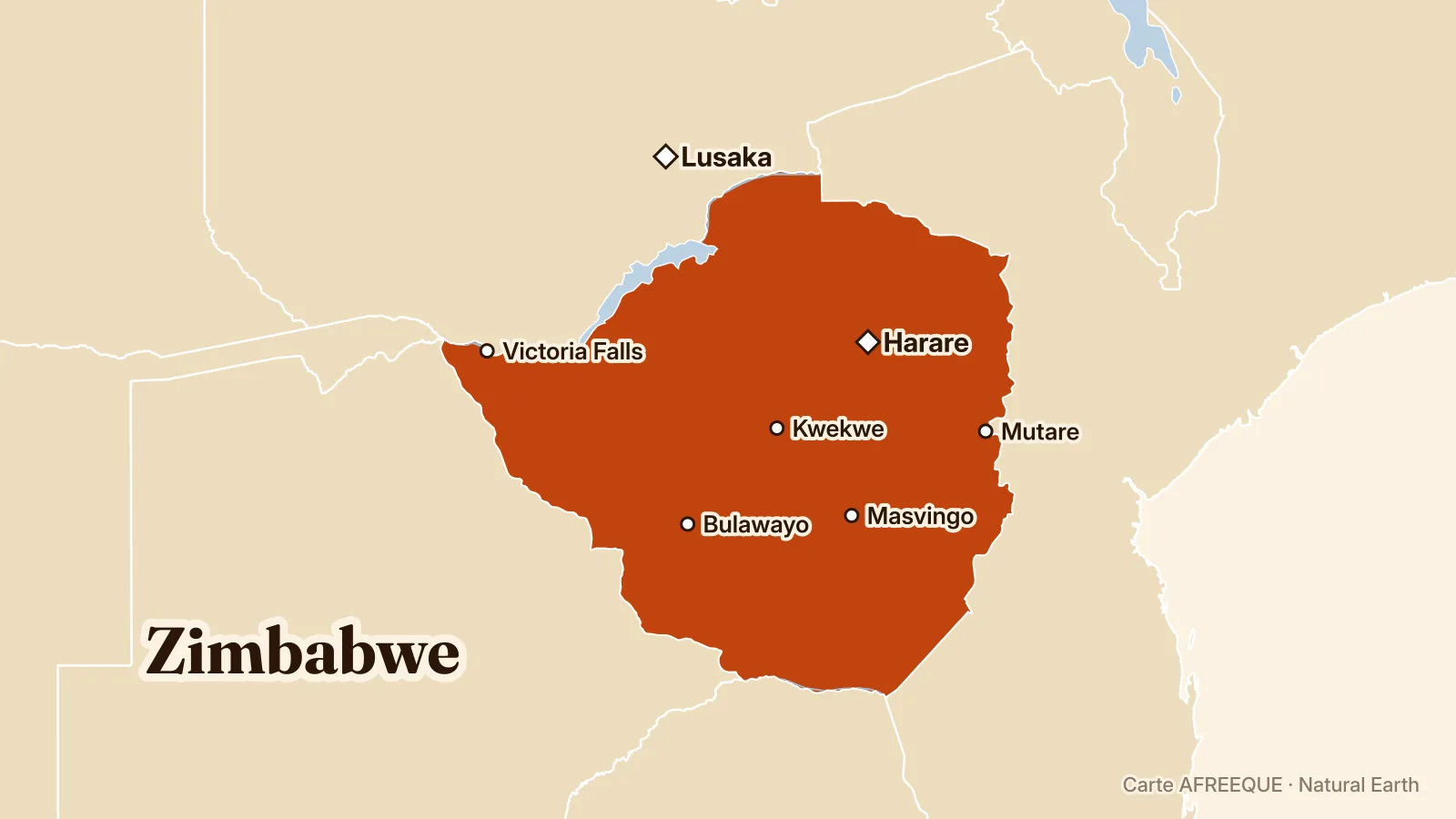
Zimbabwe announced on 11 October its intention to use artificial intelligence against tax fraud.