EU sanctions Tatiana Kim, head of Russian website Wildberries
By the AFREEQUE newsroom, based on L’essentiel, Business Day (South Africa) and BFMTV

The European Union on Monday sanctioned Tatiana Kim, head of Wildberries, Russia’s largest online sales platform, as well as twelve individuals, 101 entities and some fifty banks, for their role in financing the war in Ukraine. The measures freeze their assets in the Union, prohibit them from travelling there and ban anyone from funding them.
According to BFMTV, member states justify the sanction against Tatiana Kim by Wildberries' role in the Russian economy and war effort: Brussels presents the company as one of the country’s largest tax contributors and as a supply network for the army, which facilitates the sale of military and dual-use goods. Ozon, Russia’s other e-commerce giant, is also among the sanctioned companies.
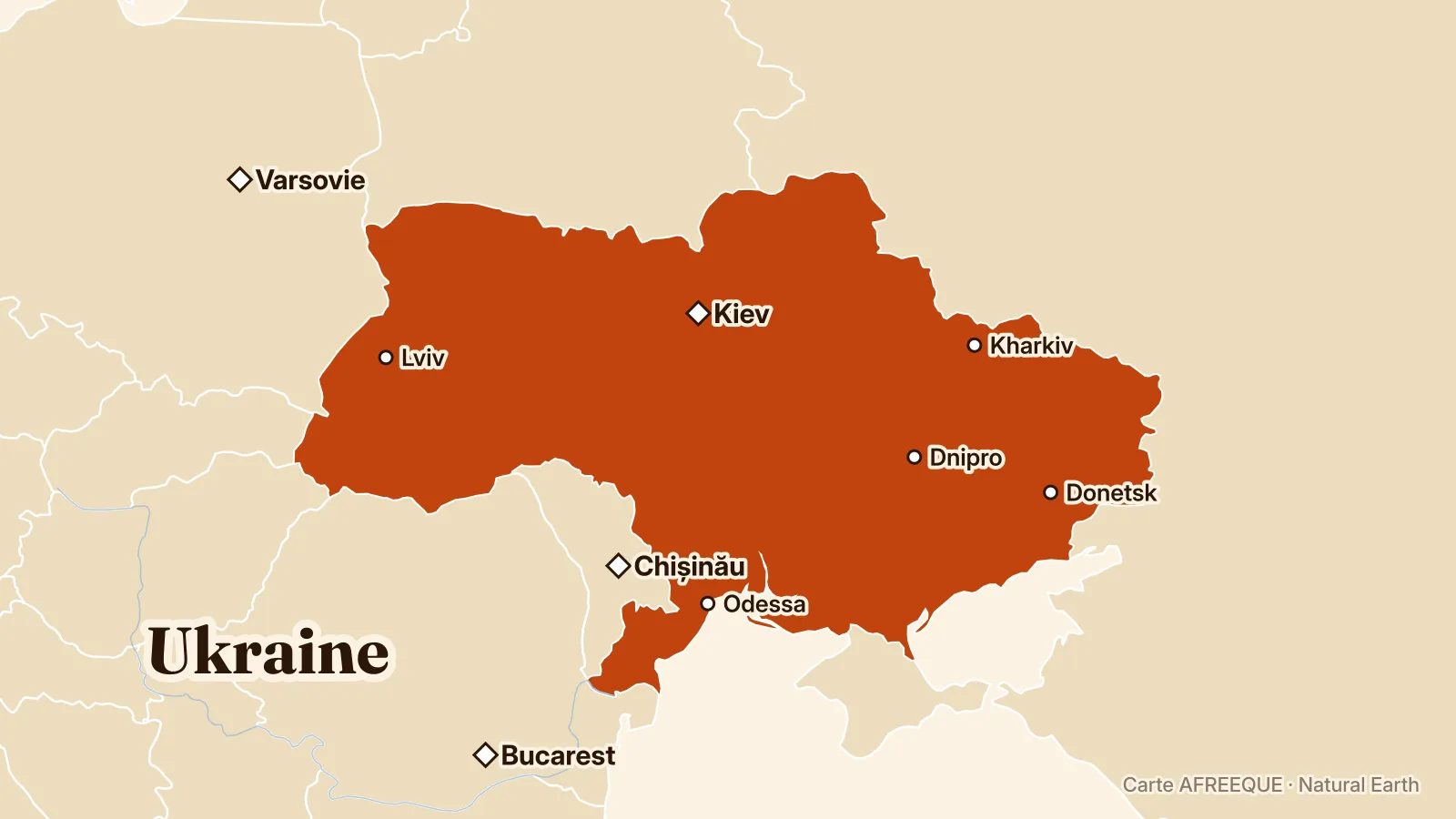
Kyiv claims the company supports the Russian war effort and has repeatedly hit its warehouses since mid-July, accusing both platforms of distributing components useful to the army. The Kremlin denies that its warehouses serve military purposes. For its part, Wildberries says these measures will not affect its business, as it has no assets in the Union and does no business there. In July, Tatiana Kim responded to accusations of selling dual-use products by saying the group offered nothing that was not also available on Amazon or Alibaba.
Tatiana Kim, Russia’s richest woman according to Forbes with $5 billion in assets, was born in Grozny in 1975 into an ethnic Korean family. An English teacher, she founded the company in 2004 with her ex-husband Vladislav Bakalchuk, before the platform established itself over twenty years as Russia’s leading e-commerce website. Local media nickname her “the Russian Jeff Bezos”. The group claims a daily flow of nearly 20 million orders, which it makes possible with 3 million square metres of warehouses.
The sanctions also target Russia’s shadow fleet, which helps Moscow get around Western sanctions on its oil exports: companies based in the United Arab Emirates, China, the Seychelles and Oman, accused of illegally buying Russian oil, as well as businesspeople who own or manage vessels in that fleet. Brussels has already sanctioned more than 4,600 individuals and entities, and the 27 member states are preparing a 22nd package of measures, broader than these blacklist listings.