Washington restricts Chinese access to AI chips via third countries
By the AFREEQUE newsroom, based on BFMTV
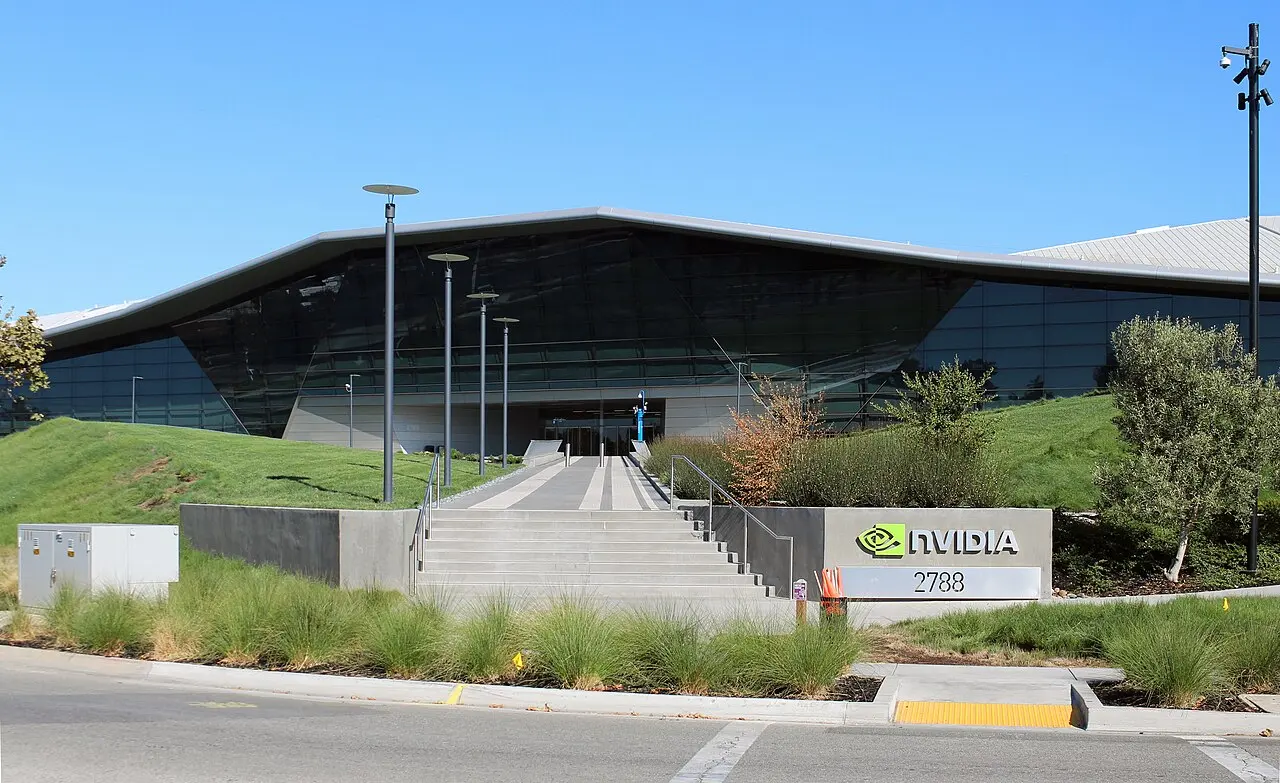
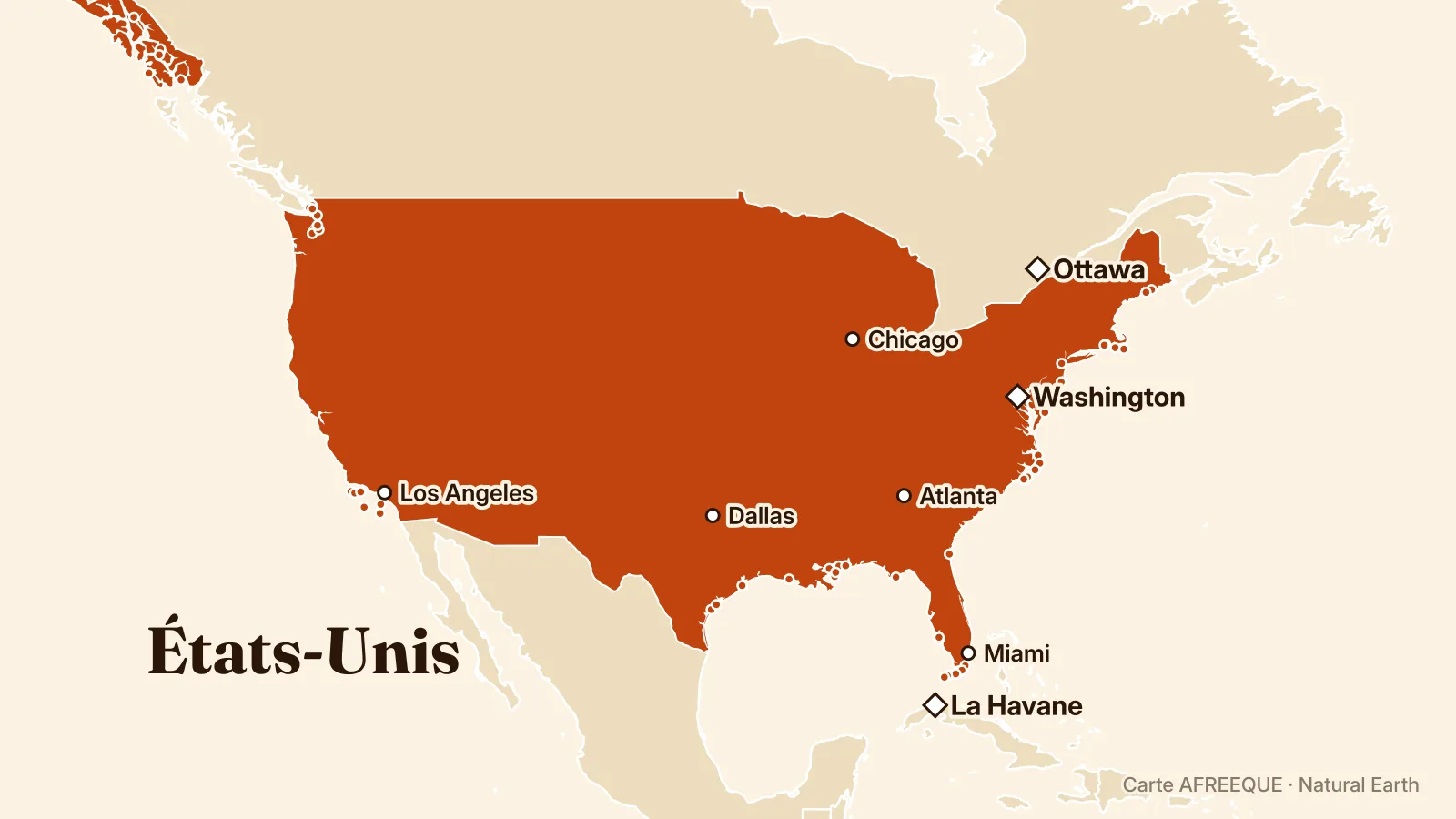
The US Commerce Department is targeting Brazil, Singapore, Indonesia, Malaysia and Thailand to block Chinese access to advanced Nvidia AI chips rented remotely. In a statement, it justified the rule by the need to prevent restrictions being circumvented through data centres located in third countries.
The US Department of Commerce is now subjecting exports of advanced semiconductors to Indonesia, Malaysia, Singapore, Thailand and Brazil, as well as any other country designated by the Commerce Secretary, to licensing. According to the department, the measure targets remote computing agreements through which Chinese companies rent computing power in data centres located in third countries. The department says it is necessary to prevent existing restrictions from being circumvented in this way.
Until now, data centres located outside China could freely import Nvidia chips and rent access to Chinese companies. These companies cannot directly purchase the best US chips in their territory because of an embargo that Washington justifies on national security grounds. The department also warns that the rules will limit the ability of companies based in states deemed concerning to train advanced AI models with US semiconductors.
This route existed in part because the Trump administration partially cancelled in 2025 a Biden-era plan intended to cap chip exports to Southeast Asia.
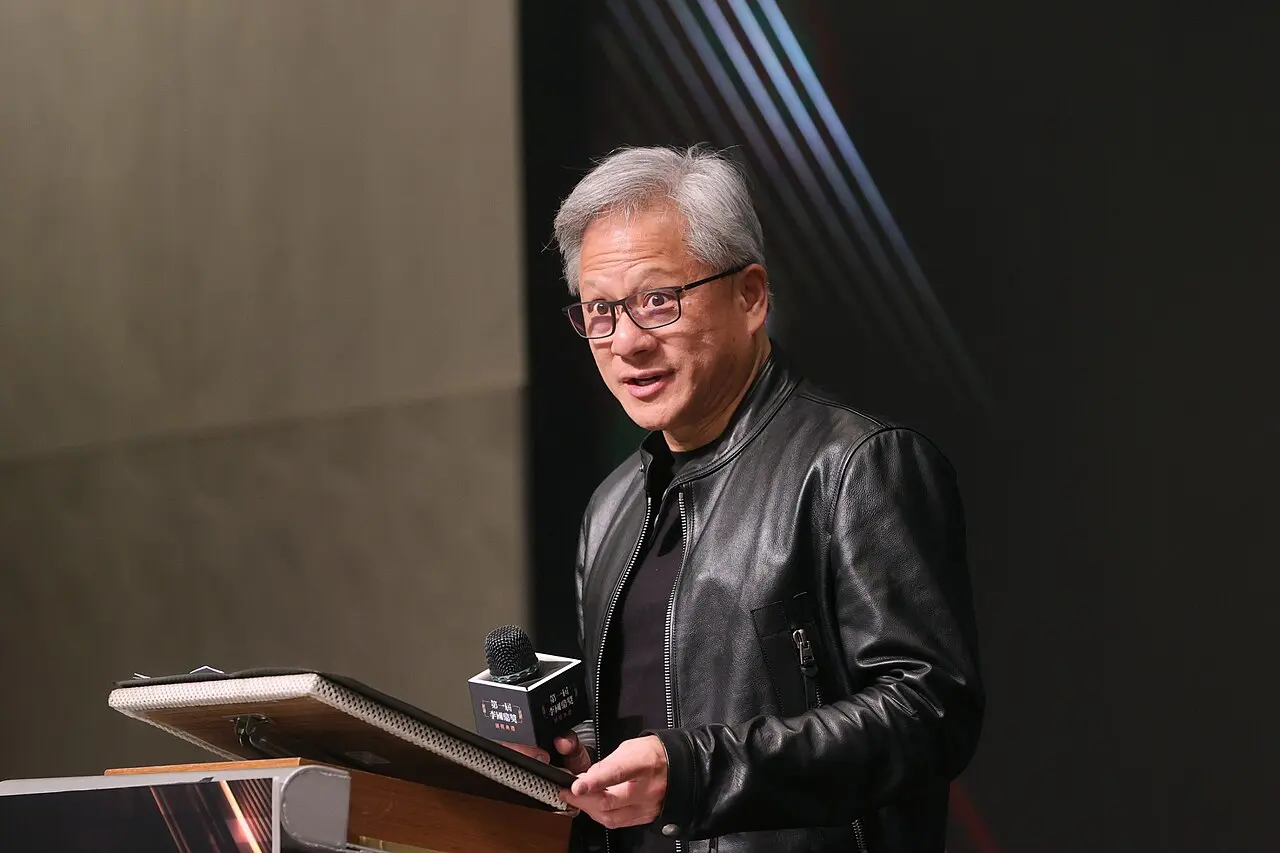
The regulation comes four days after Jensen Huang’s resignation, Nvidia’s founder, on 12 November, in the wake of an alleged espionage scandal. It specifically targets Chinese firms renting Nvidia chips from data centres outside China.