El Niño threatens Nigerian agriculture with 15 to 30% declines
By the AFREEQUE newsroom, based on Punch
 Illustrative image · Victor Chijioke · Pexels · Licence Pexels
The El Niño phenomenon threatens crops in Nigeria and the Sahel, with rainfall deficits potentially reaching 20 to 35% and reducing yields by 15 to 30%. These projections are contained in a report by the International Fund for Agricultural Development presented at COP31, according to Punch.
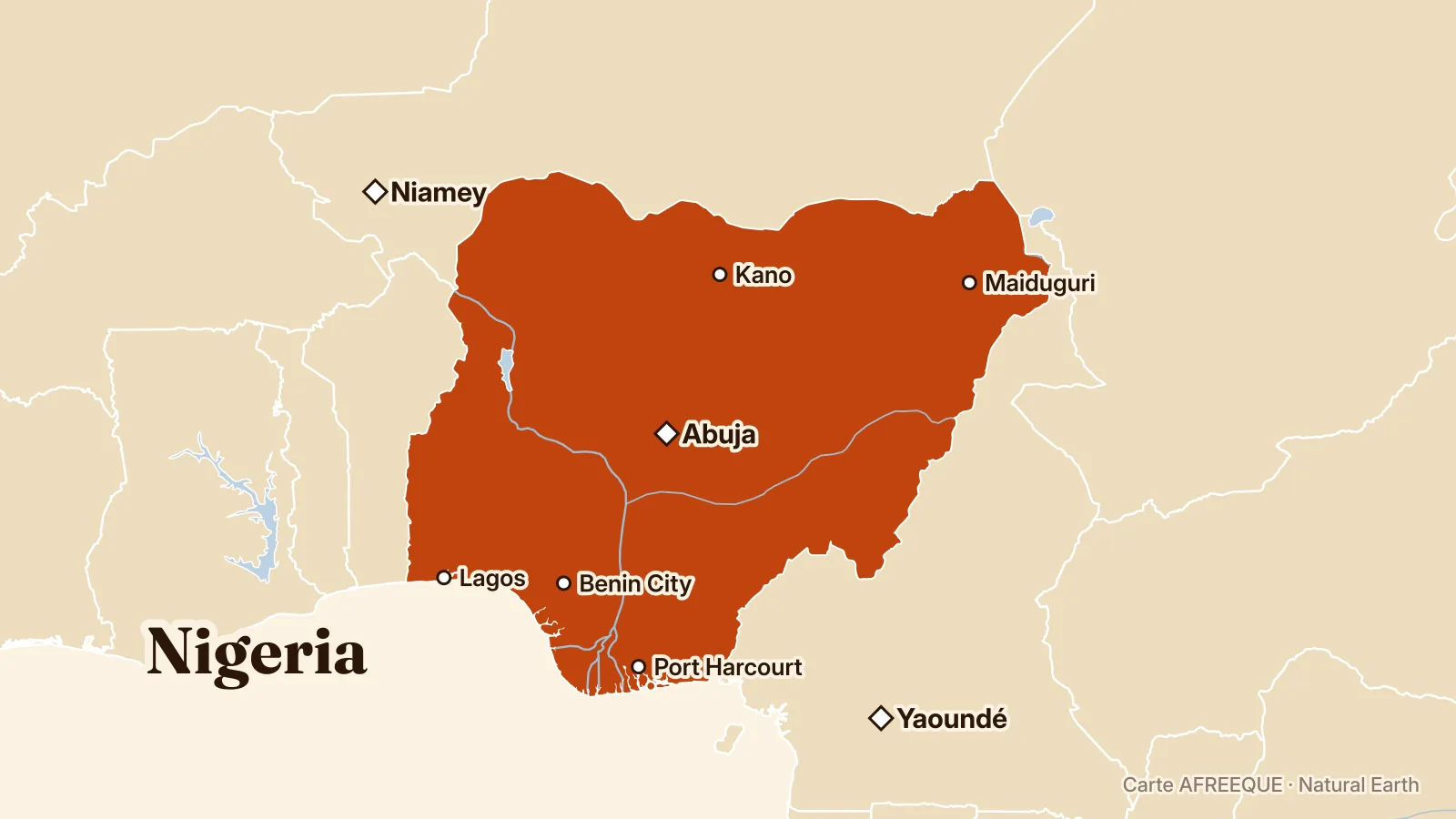
Nigeria and several Sahel countries face a risk of agricultural drought and declining yields linked to the developing El Niño phenomenon, according to a report by the International Fund for Agricultural Development (IFAD) presented on Monday at the opening of COP31 in Antalya, Turkey. The report estimates that rainfall deficits associated with major El Niño episodes could locally reach 20 to 35% in the Sahel belt and lead to a 15 to 30% decline in yields of rain-fed crops such as millet, sorghum and maize.
IFAD identifies an agricultural drought corridor stretching from Senegal to Nigeria, then to Ethiopia and Sudan. Confidence in this forecast for the West African and Sahelian corridor is nevertheless considered low, while households dependent on rain-fed agriculture remain exposed to variations in rainfall.
The report also estimates that the 2026-2027 El Niño episode could cost the global economy up to $11 trillion over the next five to six years. This estimate includes direct agricultural losses, infrastructure damage and economic disruptions linked in particular to higher food and commodity prices and interruptions to international trade.