Nigerian agricultural project identifies 89 issues for correction
By the AFREEQUE newsroom, based on Daily Post
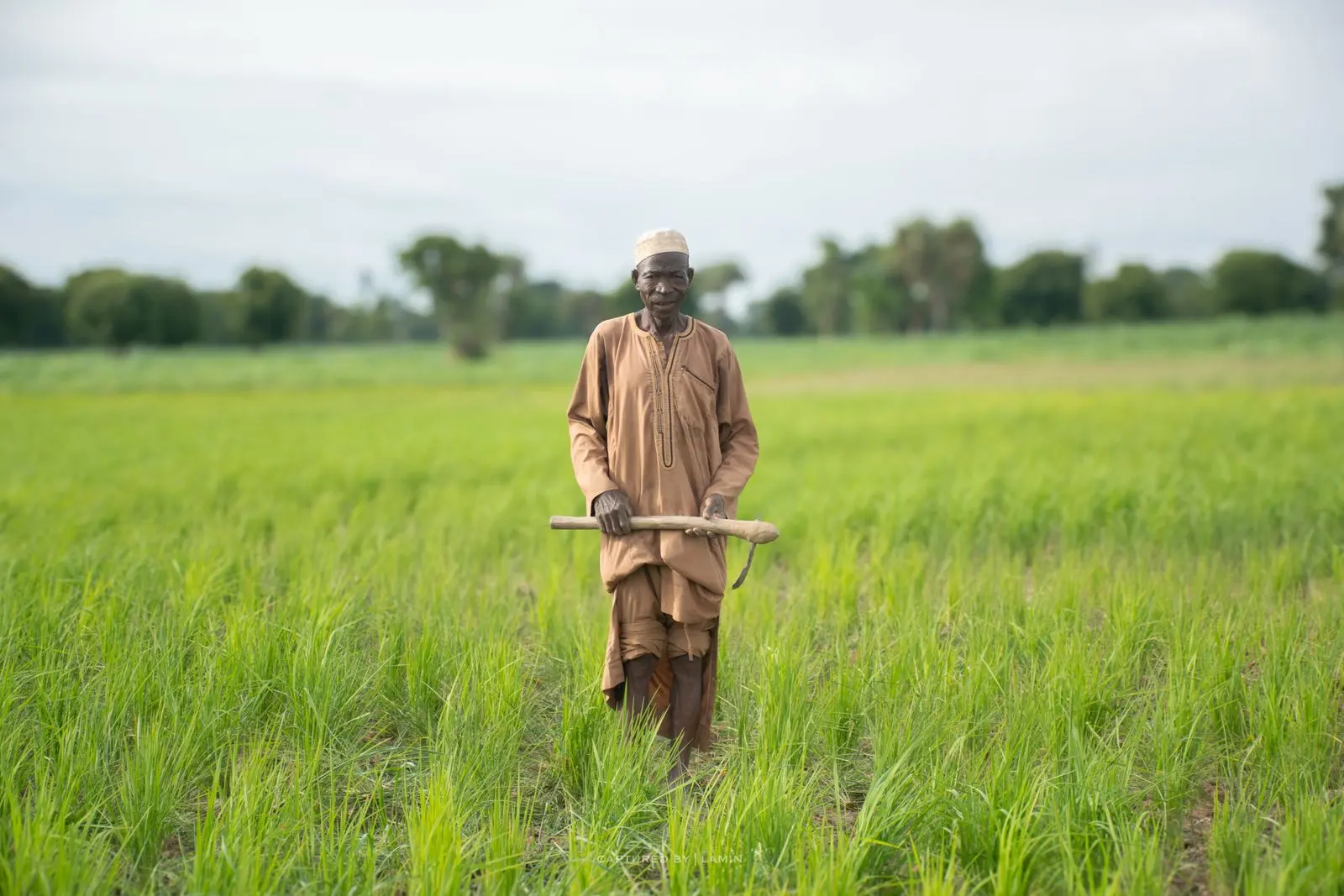 Illustrative image · Al_amin Nuhu · Pexels · Licence Pexels
Nigeria’s Agriculture Ministry identified 89 issues in the implementation manuals for the AGROW project, a $500 million agricultural value chain development programme. The corrections concern grants, governance and eligibility criteria, among other areas, according to director Emmanuel Akogun.
Nigeria’s Federal Ministry of Agriculture and Food Security has identified 89 points to be corrected in the implementation manuals for the AGROW project, a $500 million programme aimed at developing agricultural value chains. The corrections concern fund flows, grant governance, eligibility criteria, results verification and environmental and social risks, according to federal Director of the Department of Development Partners Projects Emmanuel Akogun, cited by the Daily Post.
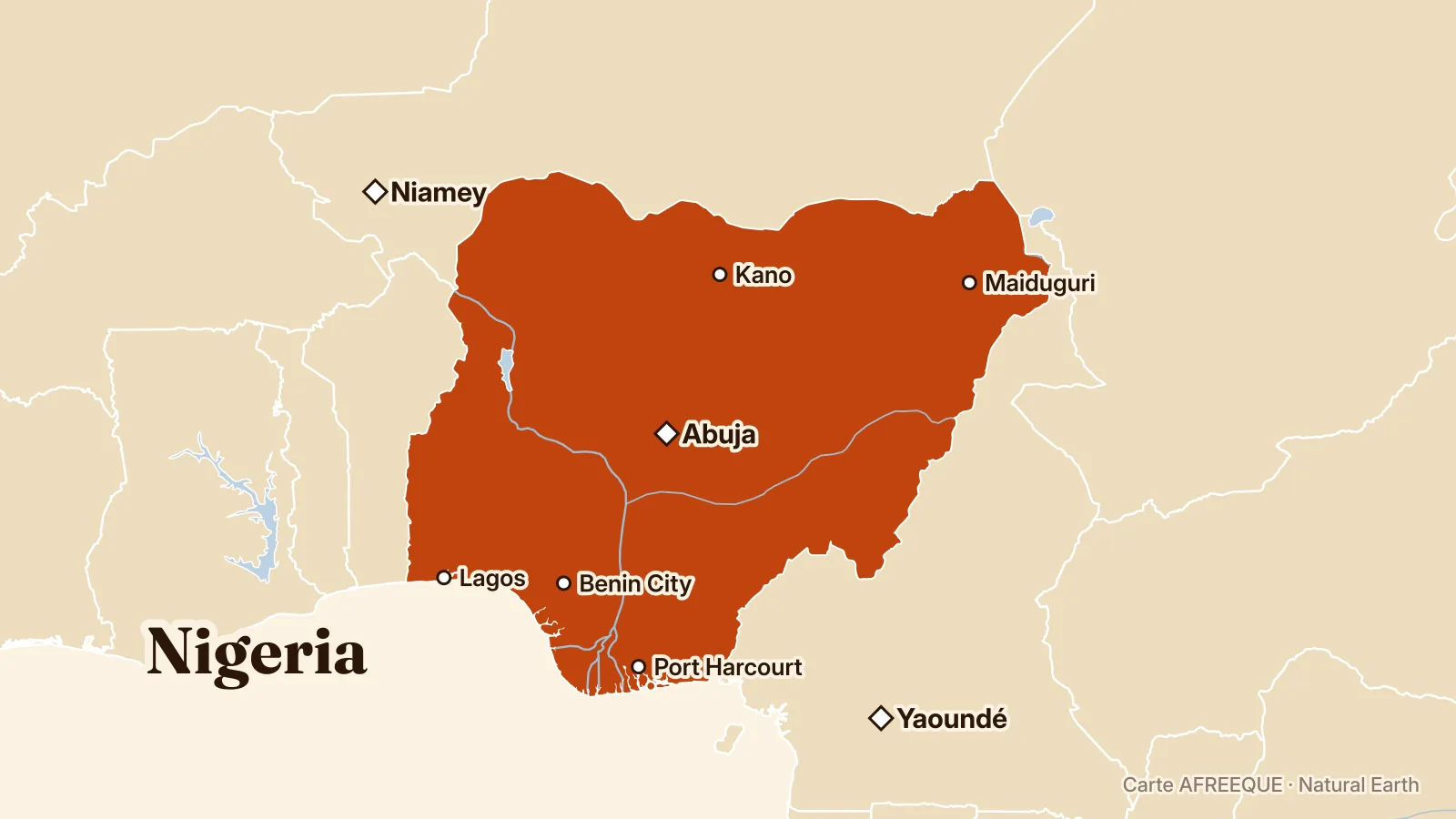
These adjustments are to be reviewed during a two-day consultation organised in Minna by the Niger State government, before the two manuals are finalised. The World Bank-backed project has not yet taken effect, with implementation arrangements still being prepared, according to Hardwick Tchale, senior agricultural economist at the World Bank and head of the team in charge of AGROW.
AGROW is intended to help smallholders increase productivity and access structured markets through buyers. The scheme provides performance-based matching grants to finance primary production, collection, processing and value creation. Rice, maize, soybeans and cassava are among the first value chains targeted, while participating states may select others according to their priorities and available market opportunities, according to Tchale.
The project will also finance improved varieties, digital farmer registries, weather information and digital soil advisory services. The World Bank board approved AGROW in March 2026, Tchale recalled. The current mission is notably to assess the readiness of federal and state institutions responsible for its implementation.