After AGOA exit, South Africa looks to China
By the AFREEQUE newsroom, based on Business Day (South Africa)
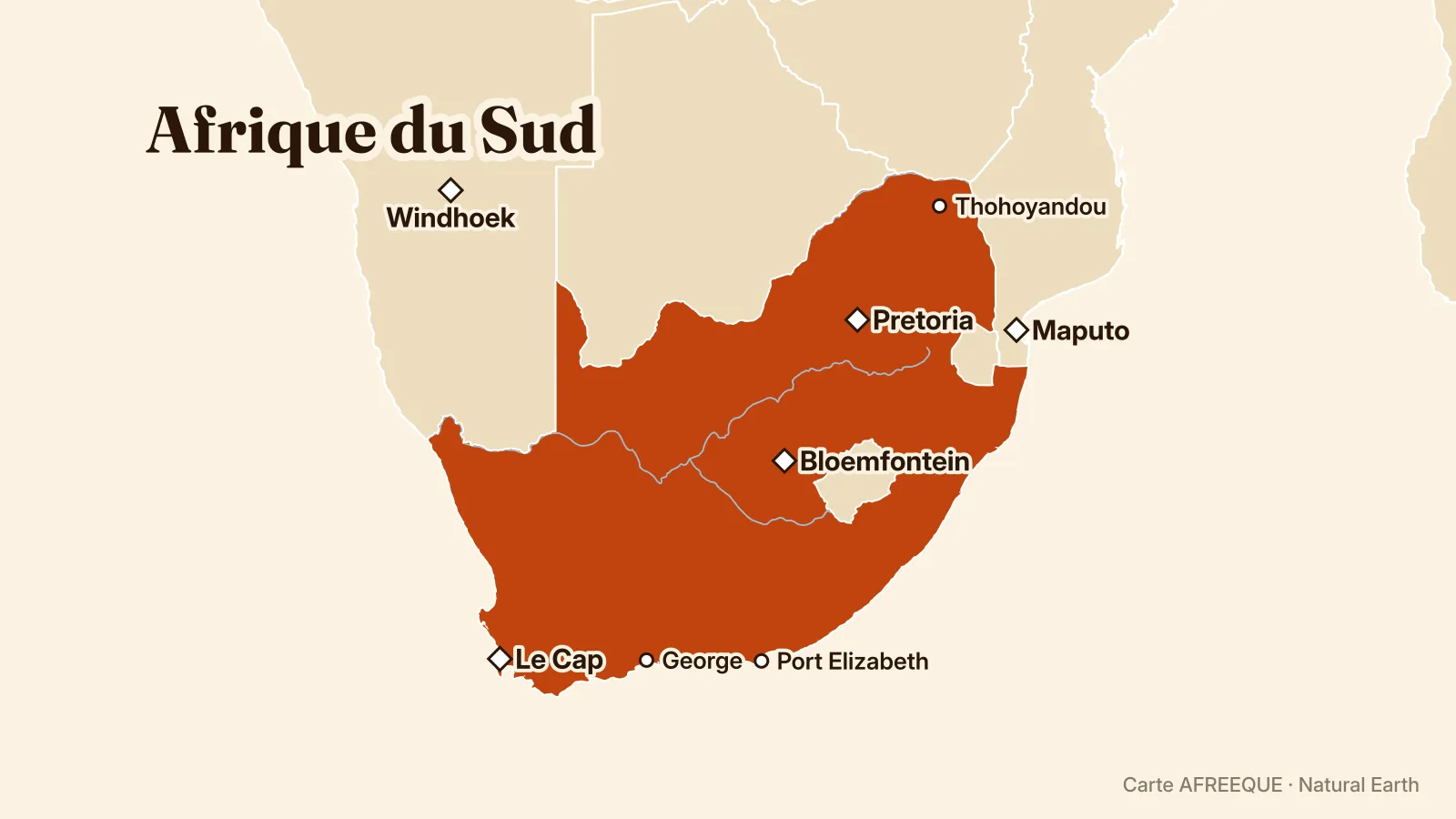
With the loss of AGOA tariff benefits, US duties on South African products will rise from about 12.5% to 15.9% from next year. According to analyst Wandile Sihlobo, writing in Business Day, duty-free access to the Chinese market opens a route to diversify exports.
South Africa will lose AGOA benefits from next year, the US system of duty-free access for African exports. It will face on average 3.4 percentage points of additional tariffs on the US market, bringing its effective rate to about 15.9%, according to Business Day.
South Africa's agricultural competitors in this market pay 12.5%, a slightly lower rate, which will reduce the competitiveness of the country's products. Business Day nevertheless believes South Africa will continue to export to the United States, as it did under much higher duties before the US Supreme Court struck down those measures.
The newspaper argues that the Department of Trade, Industry and Competition should have made diversification a priority as soon as the 'Liberation Day' tariffs were announced in April 2025. Since then, the only major advance has reportedly been the China-Africa framework agreement on economic partnership for shared prosperity, in force since May. It gives African countries duty-free access to several goods on the Chinese market. For fruit, nuts, raisins, wine and meat, this market is accessible duty-free for two years.
This analysis fits the policy announced by President Cyril Ramaphosa, who has accelerated trade diversification following the exclusion from AGOA in early November.