URGENT

Washington requires export licences for AI chips to five countries

By , based on Al Jazeera

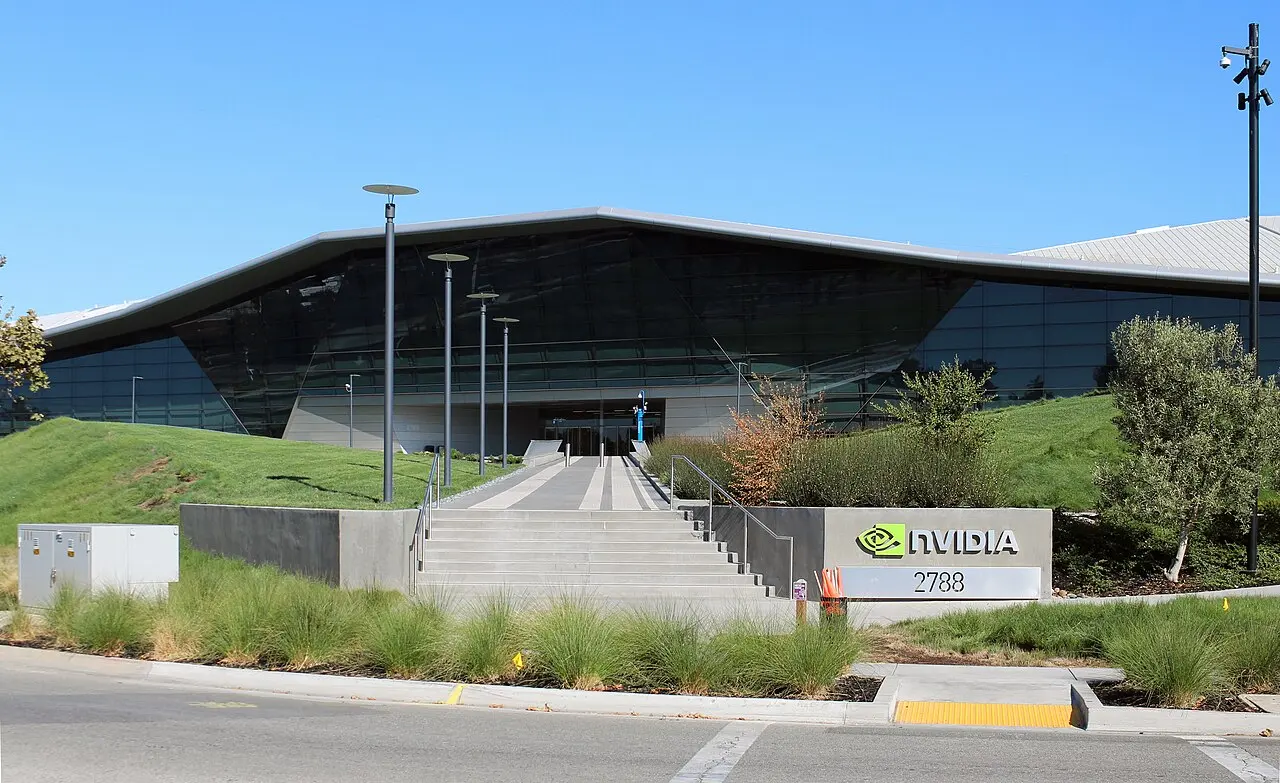
Washington requires export licences for AI chips to five countriesCoolcaesar · CC BY-SA 4.0

The US Bureau of Industry and Security now requires a licence to export advanced chips to Indonesia, Malaysia, Singapore, Thailand and Brazil, which it classifies as posing an "unacceptable risk of diversion". According to Al Jazeera, the aim is to stop Chinese AI developers from circumventing controls through data centres located abroad.

According to Al Jazeera, the Bureau of Industry and Security (BIS), part of the US Department of Commerce, announced on Monday a rule requiring an export licence for advanced chips to Malaysia, Thailand, Indonesia, Singapore and Brazil. These five countries are classified as posing an "unacceptable risk of diversion". The measure aims to stop Chinese AI developers from circumventing export controls by remotely accessing data centres located in third countries, particularly in South-east Asia.

The BIS presents the rule as a logical extension of the licence requirement already in place for exporting chips to companies based in China. It comes as Nvidia, the US chipmaker, faces scrutiny over its chip exports after espionage allegations against Jensen Huang, the company’s former CEO. The accusations, reported by media citing anonymous US officials, claim that he had a romantic relationship with a woman recruited by China’s Ministry of State Security.

Jensen Huang resigned last week, as part of a board investigation into the allegations. Beijing rejects them as unfounded and aimed at smearing China. Alice Huang, a former executive at Megaspeed who has been identified as Jensen Huang’s ex-partner, has not responded publicly. On Monday, US technology stocks fell sharply. On 13 November, Washington had wanted to place Megaspeed on a blacklist, but the Department of Commerce had been slow to act.
Share this article

Related stories

Washington restricts Chinese access to AI chips through third countries

Washington is tightening its export controls: Brazil, Singapore, Thailand, Malaysia and Indonesia will now be subject to authorisation for advanced AI chips, according to BFMTV. The measure targets Chinese companies that remotely rent computing power from Nvidia chips installed in data centres outside China. The US Commerce Department wants to prevent existing restrictions from being circumvented in this way.

🇺🇸 United States · Source: BFMTV ·

Trump is not opposed to Jensen Huang returning to Nvidia

Donald Trump says he is open to Jensen Huang returning to lead Nvidia, days after the former chief executive resigned amid a scandal involving alleged espionage and the smuggling of chips to China. The US president considers that such a prospect would pose no national security problem, according to BFMTV.

🇺🇸 United States · Source: BFMTV ·

Chinese AI models reportedly used banned Nvidia chips

Open-source Chinese AI models reportedly were trained on Nvidia chips whose export to China is restricted, according to an analysis carried out by Will DePue. This apparent use of Blackwell processors by several Chinese laboratories highlights the difficulties of enforcing US export controls, TechCrunch reports.

🇨🇳 China · Source: TechCrunch ·

US Treasury wanted to sanction Megaspeed, but Commerce did not act

The US Treasury Department wanted to put Megaspeed, a Singaporean company, on the US trade blacklist, but the Commerce Department did not follow through. According to France 24, Scott Bessent thus accuses the agency led by Howard Lutnick of failing to prevent the alleged diversion of Nvidia chips to China, at the heart of the affair that preceded Jensen Huang’s departure.

🇸🇬 Singapore · Source: France 24 ·

🌍 Latest from World

Houthis say they drove Saudi-backed forces from Bab al-MandabHouthis say they drove Saudi-backed forces from Bab al-MandabThe Houthis claim to have forced Saudi-backed forces to leave Dhubab and Bab al-Mandab, according to the Saba news agency, which they control. The Southern Armed Forces, also backed by Riyadh, present their move as a redeployment to defend Aden, the interim capital.All World news →

Technology

Mauritanian Prime Minister receives Maroc Telecom presidentMauritanian Prime Minister receives Maroc Telecom presidentAccording to the Mauritanian News Agency (AMI), Prime Minister Moctar Ould Djay received Mohamed Benchaaboun, president of Maroc Telecom, in Nouakchott on Monday to discuss cooperation with the group. Its subsidiary Moov Mauritel, the historic operator majority-controlled by the group since 2001, launched its 5G network last year in 35 towns and localities.All Technology news →

The week in Africa

This week’s highlights

  1. Neves re-elected in Cape Verde with 63.8% of the vote🇨🇻 Cape Verde
  2. Iranian Guards say they targeted US base in Bahrain🇧🇭 Bahrain
  3. Microsoft attributes its 38-hour outage to a hidden bug🇺🇸 United States
  4. Kinshasa-Kigali standoff delays OIF leadership election by a year🇨🇩 DR Congo
  5. Women’s football: Imane Touriss scores twice as Moroccan side AS FAR are crowned🇲🇦 Morocco
All of this week’s highlights →

Africa in your inbox

Be the first to get our letter in English: the essentials from every region of the continent, free.

Free · one email a week · unsubscribe in one click. Your address is only used to send you the letter, never sold. Personal data

← Back to the news