Wage strike in Bangladesh: nearly 150 textile factories closed
By the AFREEQUE newsroom, based on MyJoyOnline
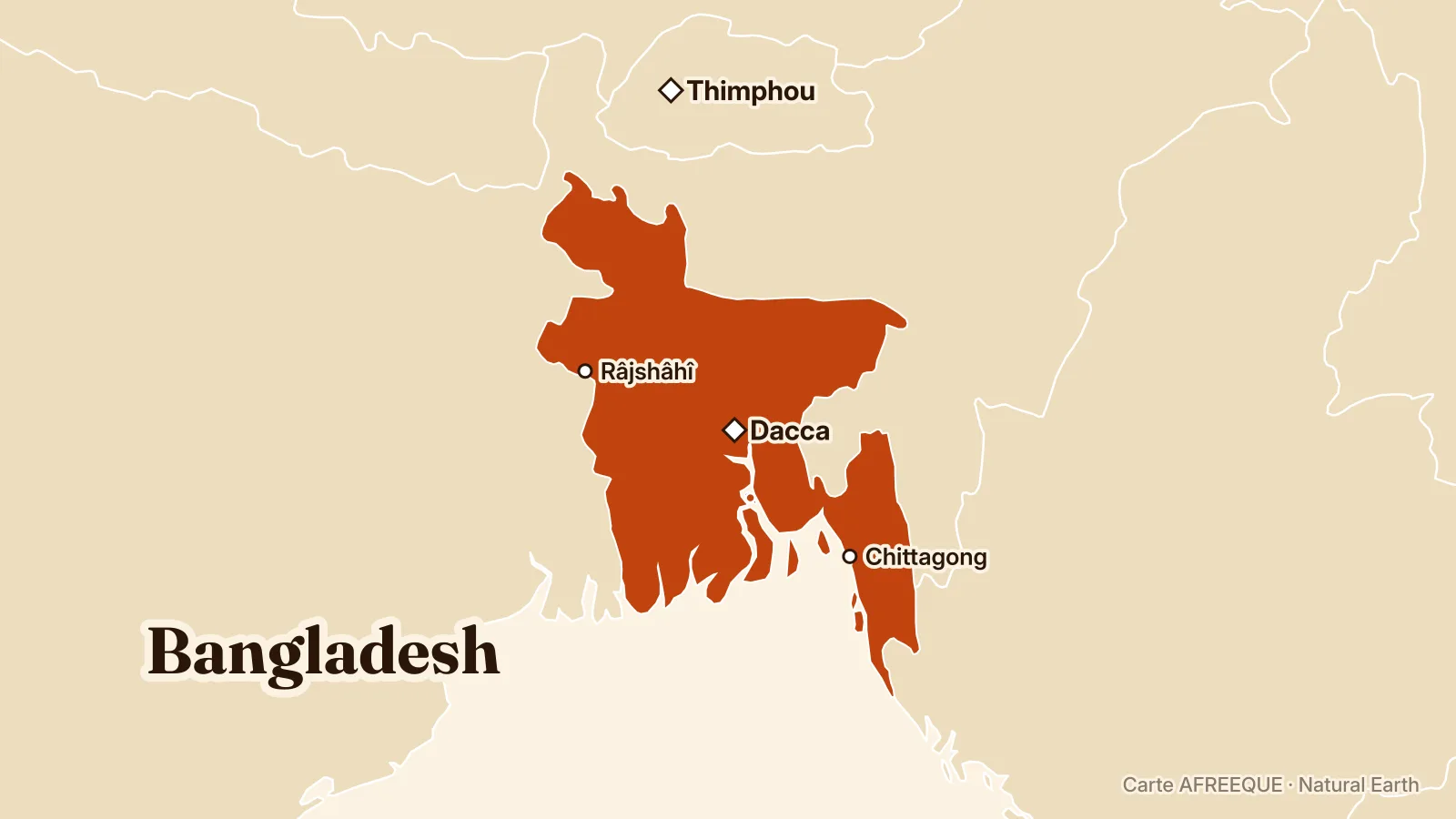
Nearly 150 garment factories have been shut in Bangladesh, where workers are demanding a minimum wage of 30,000 taka, up from 12,500 today. The sector, which exports around $40 billion a year, risks weighing on international buyers if the dispute continues, according to the BBC.
According to the BBC, nearly 150 textile sites closed over the weekend in Bangladesh, in the areas of Savar, Ashulia and Gazipur, where workers are demanding a higher minimum wage. Police Superintendent Mohammad Amjad Hossain told the BBC that 13 factories were closed on Saturday night and 16 during the morning unrest.
Strikers are demanding 30,000 taka a month, compared with the current 12,500 taka, an amount they consider insufficient given the cost of living. The sector, which supplies H&M, Primark and Zara, employs around four million people and generates nearly $40 billion in exports a year, equivalent to 10% of national GDP. Bangladesh is the world’s second-largest exporter of ready-made garments, behind China.
On Sunday morning, workers blocked the Dhaka-Tangail highway in Gazipur for about an hour before police intervened. The BGMEA, the association of garment manufacturers and exporters, and the BKMEA, its counterpart for knitwear, are calling for guarantees of factory protection before continuing wage negotiations. Its president, Mahmud Hasan Khan, warns that factories unable to produce will remain closed from the following day, under a labour law provision known as “No Work No Pay.”
A minimum wage committee, chaired by a district judge, was formed on 1 November to recommend a new pay scale, which it must finalise by the end of November, for expected implementation on 1 December. These closures follow the reopening of factories on 2 November, after initial wage protests.