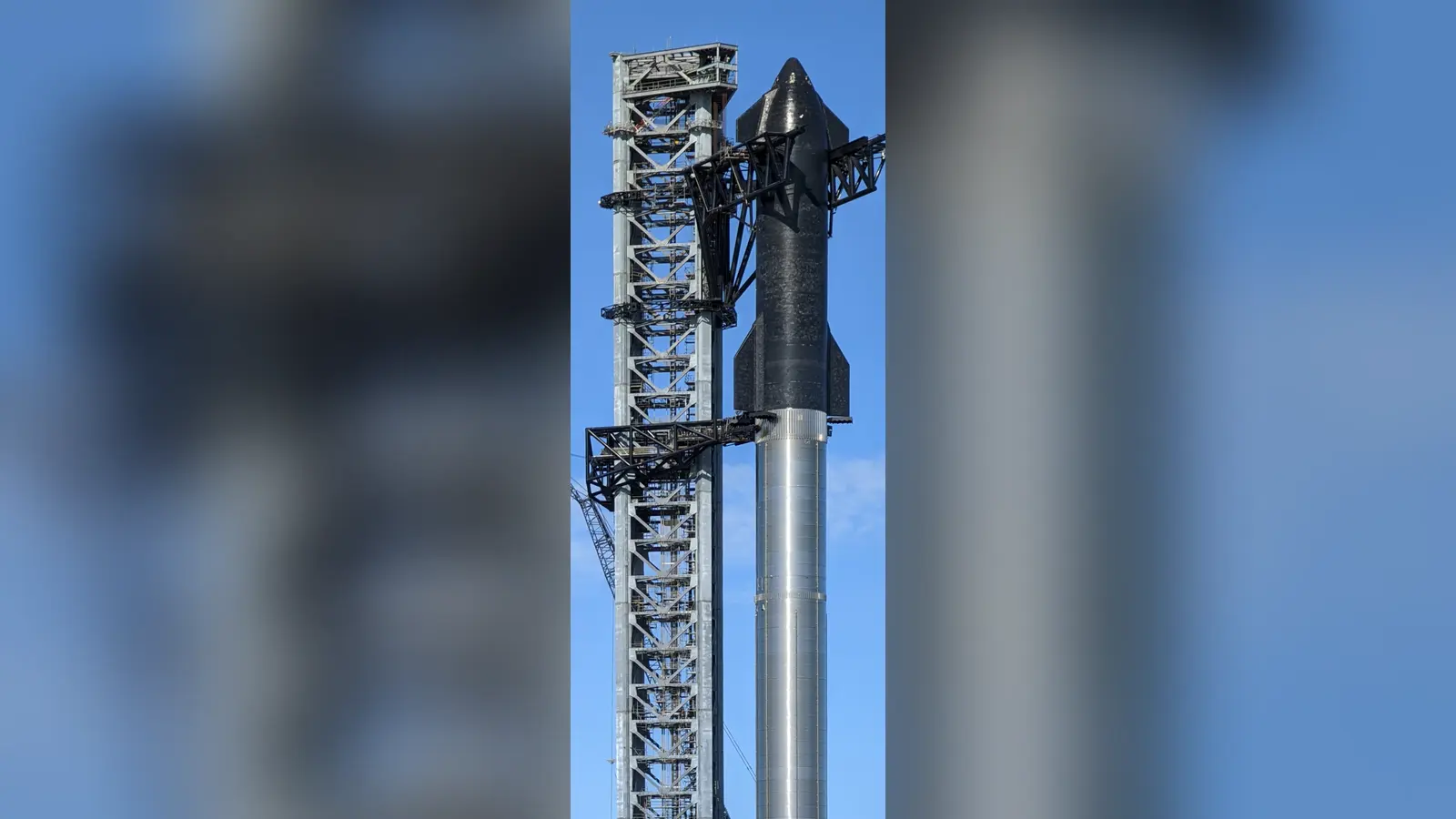
Vulcan rocket failure: Amazon loses 40 internet satellites
By the AFREEQUE newsroom, based on Le Monde and Daily Maverick
The Vulcan rocket, operated by United Launch Alliance, suffered an anomaly about ten minutes after liftoff and lost the 40 satellites it was carrying, according to Le Monde. It was the very first mission among the dozens of launches Amazon has ordered to build its internet network.
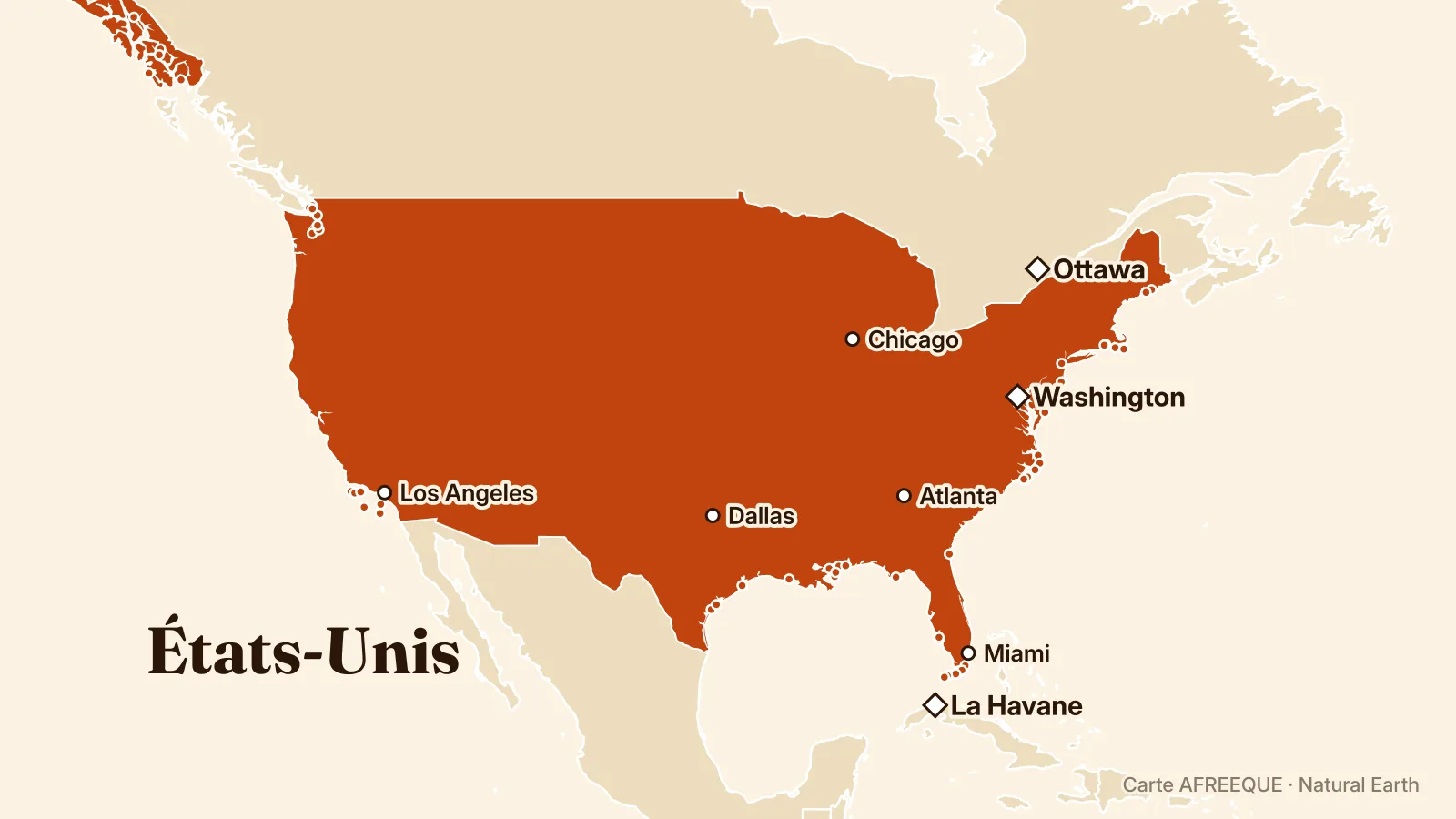
ULA confirmed the mission’s failure in a statement; it occurred on the flight that departed from Launch Complex 41 at Cape Canaveral, Florida. The company says it does not yet have any precise data to explain what happened. The incident is expected to prompt a lengthy technical investigation, which could ground the rocket for months. It could worsen a bottleneck in US launches, already weakened by other accidents and by the announced end of SpaceX’s Falcon 9, the world’s most active rocket, for which the company no longer accepts bookings.
This flight was Vulcan’s fifth since its debut in 2024, and the first in nine months, following a pause linked to two separate investigations: one into its solid-propellant booster rockets, the other into its BE-4 engines, supplied by Blue Origin, Jeff Bezos’s space company. According to a person familiar with the matter who asked not to be named, Blue Origin is taking part in the investigation alongside ULA. The role of the BE-4s remains uncertain: the failure appears to have occurred after the separation of the second stage, which carried the satellites, and the first stage powered by those engines.
The boosters had been examined after anomalies on the previous two flights, which nonetheless placed their payloads into orbit, including a February mission for the US Space Force. The Pentagon had not yet cleared the rocket to carry national security payloads, pending its performance on the Amazon mission. Blue Origin’s New Glenn exploded on its launch pad in May because of its BE-4 engine, a few days before a launch of Amazon Leo satellites.
For Amazon, this is a fresh setback in its race to deploy its satellites using third-party launchers, several of which have experienced groundings or failures. Since 2025, 398 Leo satellites have been placed in orbit over 14 launches, or about 12% of the 3,236 needed for global coverage; the company had hoped to begin its internet service this year. Amazon acknowledged that a launch always carries risk, especially for a maiden mission, and praised ULA as a trusted partner that will learn from the incident.