Trump seeks to rally Asian states to US-led Pax Silica coalition
By the AFREEQUE newsroom, based on Council on Foreign Relations
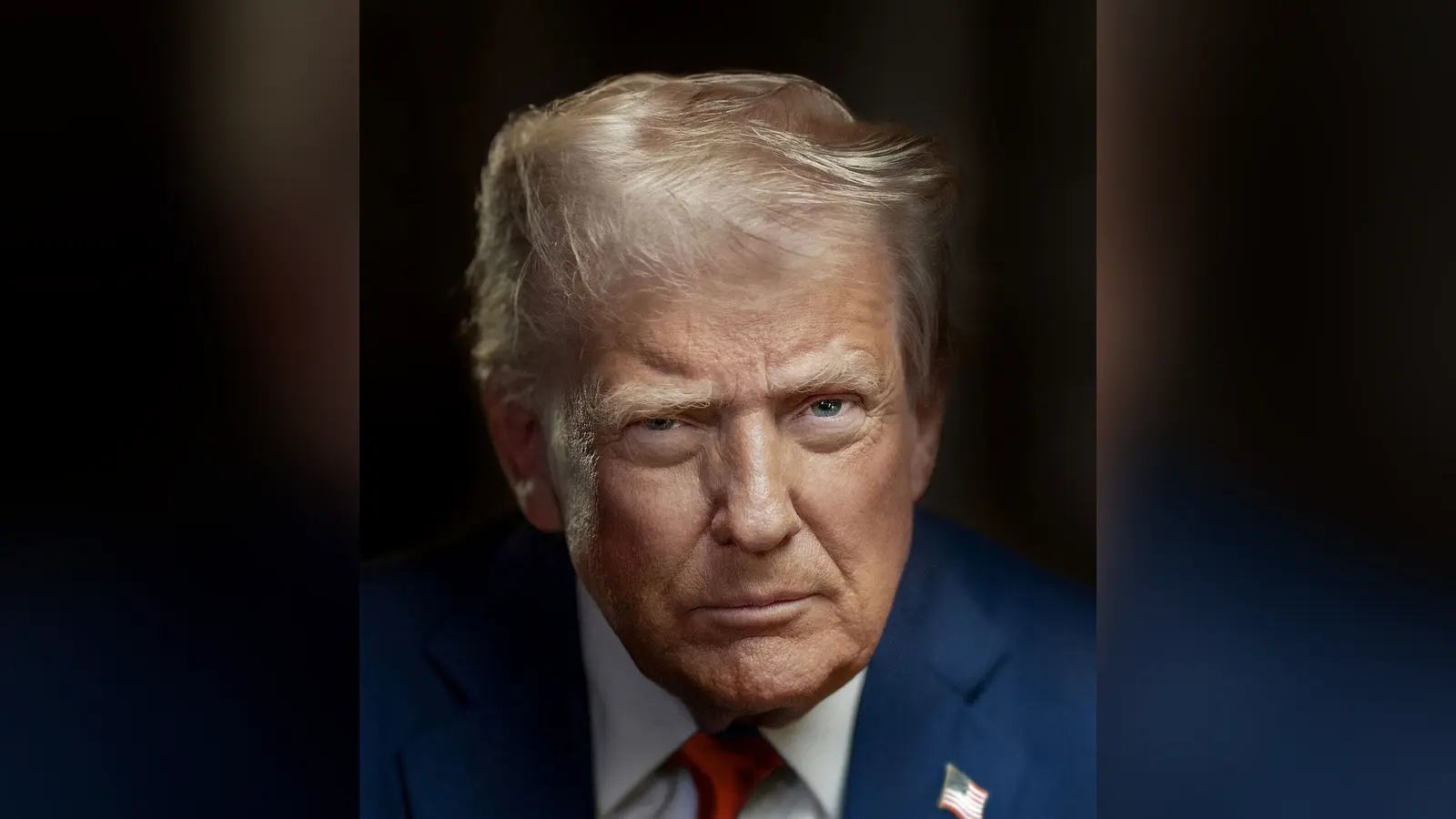
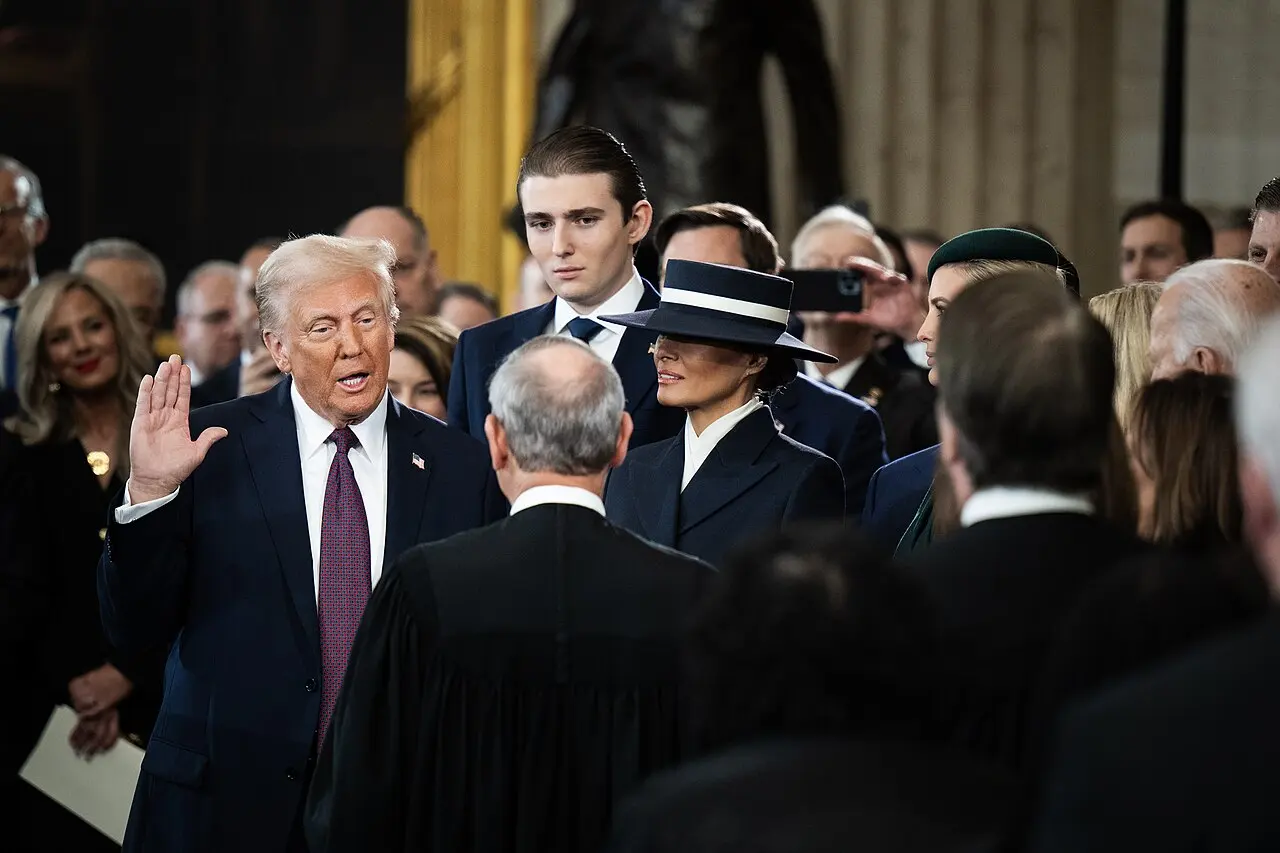
Donald Trump will travel to Manila and then Shenzhen between 16 and 19 November for a special US–ASEAN summit and the APEC summit. According to the Council on Foreign Relations, he will try to rally Asian states to Pax Silica, the Washington-led coalition, in an unfavourable climate.
US President Donald Trump wants several Asian states to join Pax Silica, the coalition led by Washington on export controls and the monitoring of investment in chips, artificial intelligence, critical minerals and data centres. According to the Council on Foreign Relations (CFR), a US think tank, the trip is due to take place from 16 to 19 November.
Trump is to travel first to Manila, for a special summit between the United States and the Association of Southeast Asian Nations (ASEAN), then to Shenzhen in China for the Asia-Pacific Economic Cooperation (APEC) summit. According to the CFR, Pax Silica is not openly presented as a means of stopping Beijing from obtaining the most advanced chips, but it does effectively pursue that goal. Washington could also ask Southeast Asian countries to buy complete sets of AI technologies from American suppliers, and announce new trade agreements with Vietnam and perhaps Thailand.
In Shenzhen, Trump will want to come away with some promises from Chinese President Xi Jinping: the effective establishment of a direct line on AI issues, already agreed, and the extension of the trade truce as well as the one on rare earth exports. The CFR does not, however, expect major gains, and considers it possible that the modest aims of the trip may themselves be rejected. A Trump-Xi-Putin meeting on the sidelines of APEC, on the war in Iran and Ukraine, remains conceivable.
The US president’s Asia policy is largely unpopular in the region, especially his tariffs targeting allies and partners and reduced support for defence. Visits this year by Secretary of State Marco Rubio and Defense Secretary Pete Hegseth provoked hostile reactions.
This trip comes after the midterm elections, marked by the Democratic victory in the US midterms. On 14 November, Washington was already not expecting any agreement with Chinese President Xi Jinping and Russian President Vladimir Putin.