US Treasury Secretary Bessent predicts infighting among Iran’s leaders
By the AFREEQUE newsroom, based on La Nouvelle Tribune
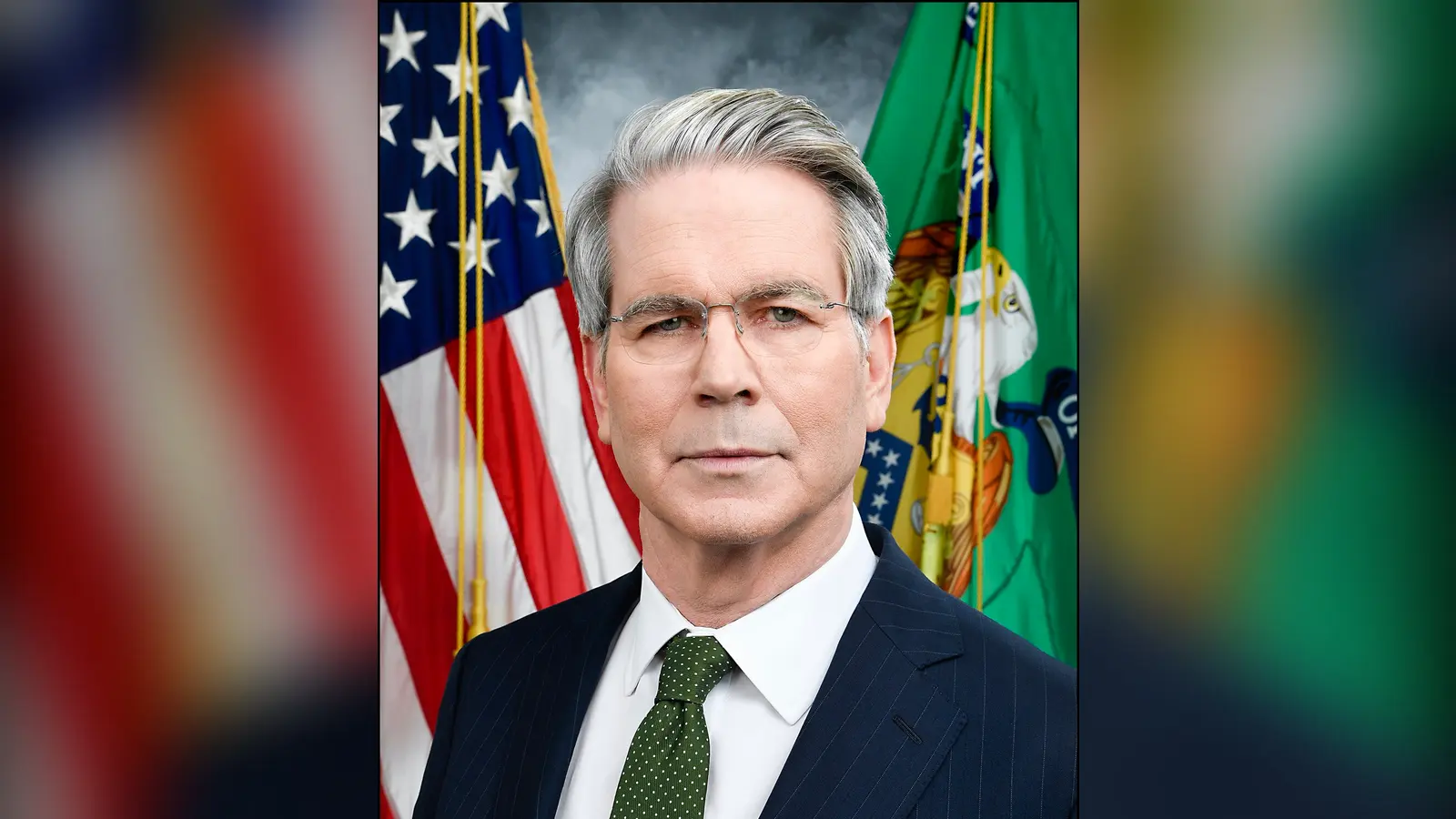
In a televised interview reported on 21 November, US Treasury Secretary Scott Bessent said Iran’s leaders would soon turn against one another. His prediction comes as the open war that began in February continues, although no divisions within Iran’s leadership have been confirmed so far.
US Treasury Secretary Scott Bessent expects divisions to emerge soon among Iran’s leaders, whom he believes may turn against one another under pressure from Washington. He made this prediction in a televised interview reported on 21 November 2026 by La Nouvelle Tribune. He believes that Tehran’s weakening could eventually push its leaders to accept an agreement with the United States. Bessent also claims that a bounty has been placed on his head, which he interprets as a sign of the effectiveness of US policy.
The US official envisages three possible scenarios for the future of Iran’s leadership: a confrontation between the Islamic Revolutionary Guard Corps, a popular uprising or a return by the authorities to the negotiating table. However, he had acknowledged that Washington did not know which of these outcomes might occur. The internal divisions predicted by Bessent have not been independently confirmed.
These statements are part of Operation Economic Outcast, the US economic sanctions campaign launched during the summer to isolate Iran. The US Treasury has stepped up measures against banks and companies maintaining commercial relations with Tehran. Washington is also threatening to deny access to the dollar-based financial system to countries that support the Iranian economy, while the US Navy maintains its blockade of the country’s ports.
On 13 November, Scott Bessent announced that he had left his home to move to a military base following threats that he attributed to Iran. On 20 November, he said he was still living at the facility. His departure was reported in an earlier article on Scott Bessent’s move following Iranian threats. The US pressure campaign also follows on from the naval blockade against Iran, defended by Donald Trump on 17 November.