Donald Trump describes Vladimir Putin as his friend
By the AFREEQUE newsroom, based on BFMTV, Vanguard, La Presse de Tunisie, ThisDay, Brazza-Infos and Capital FM
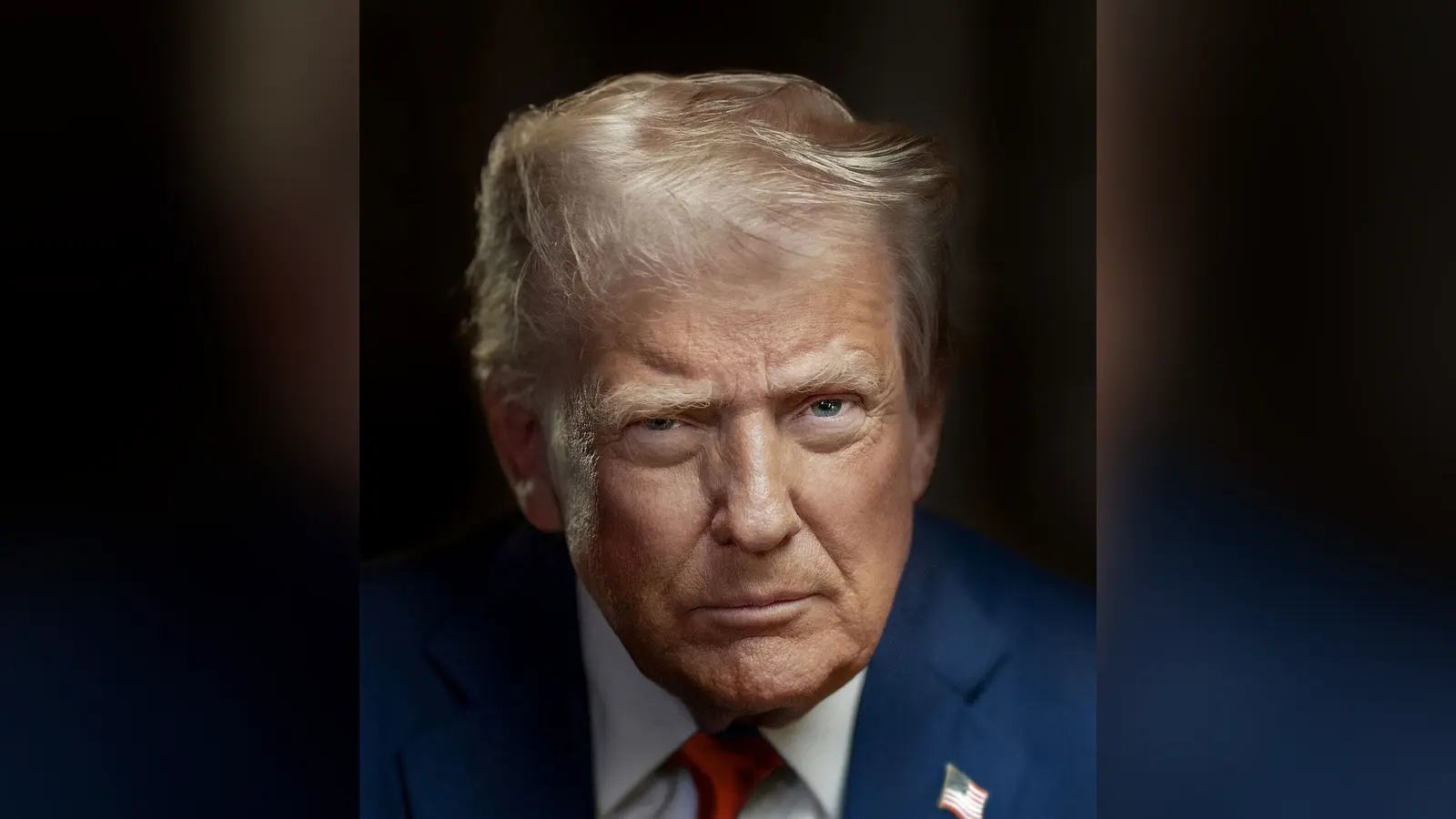
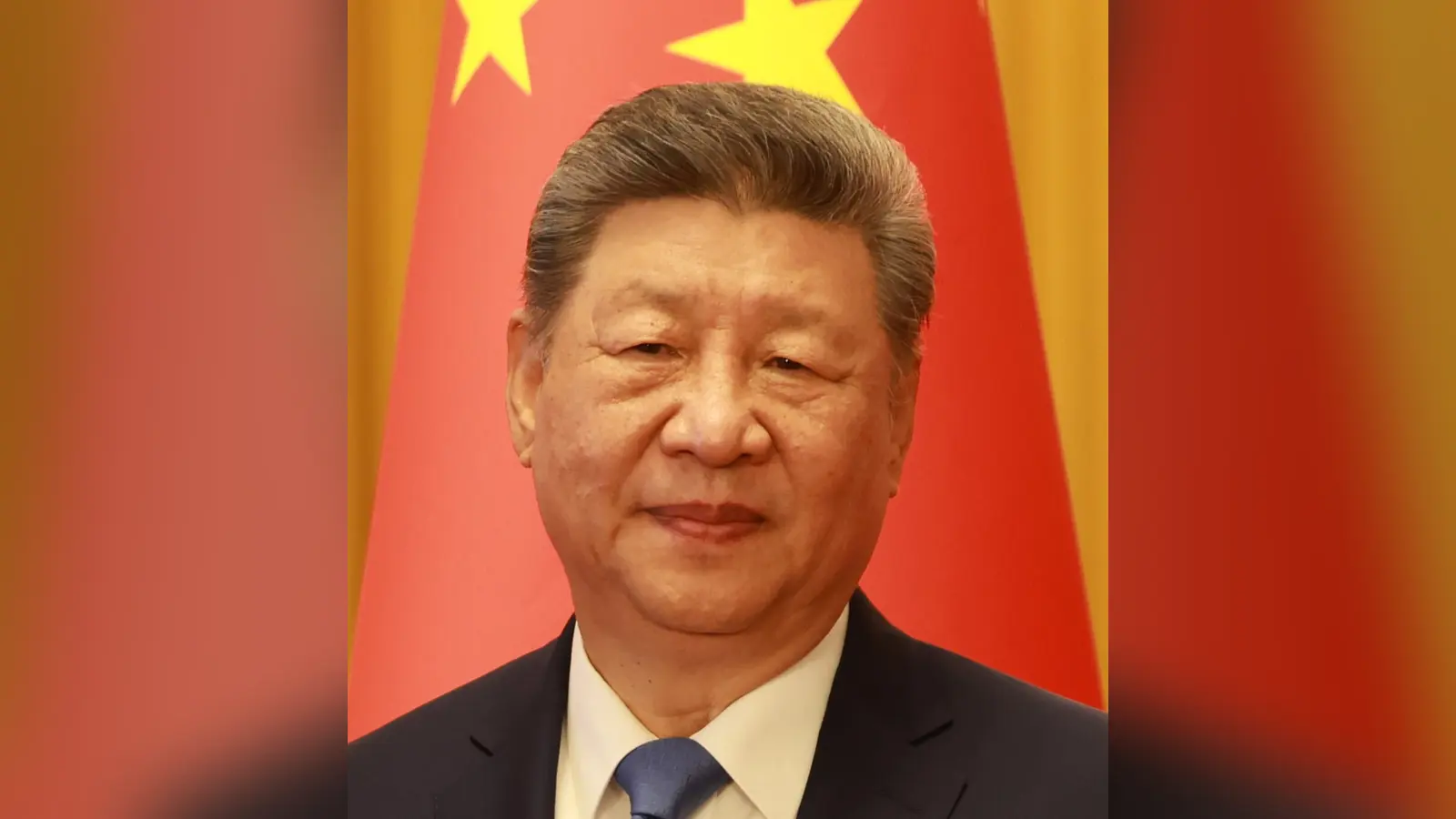
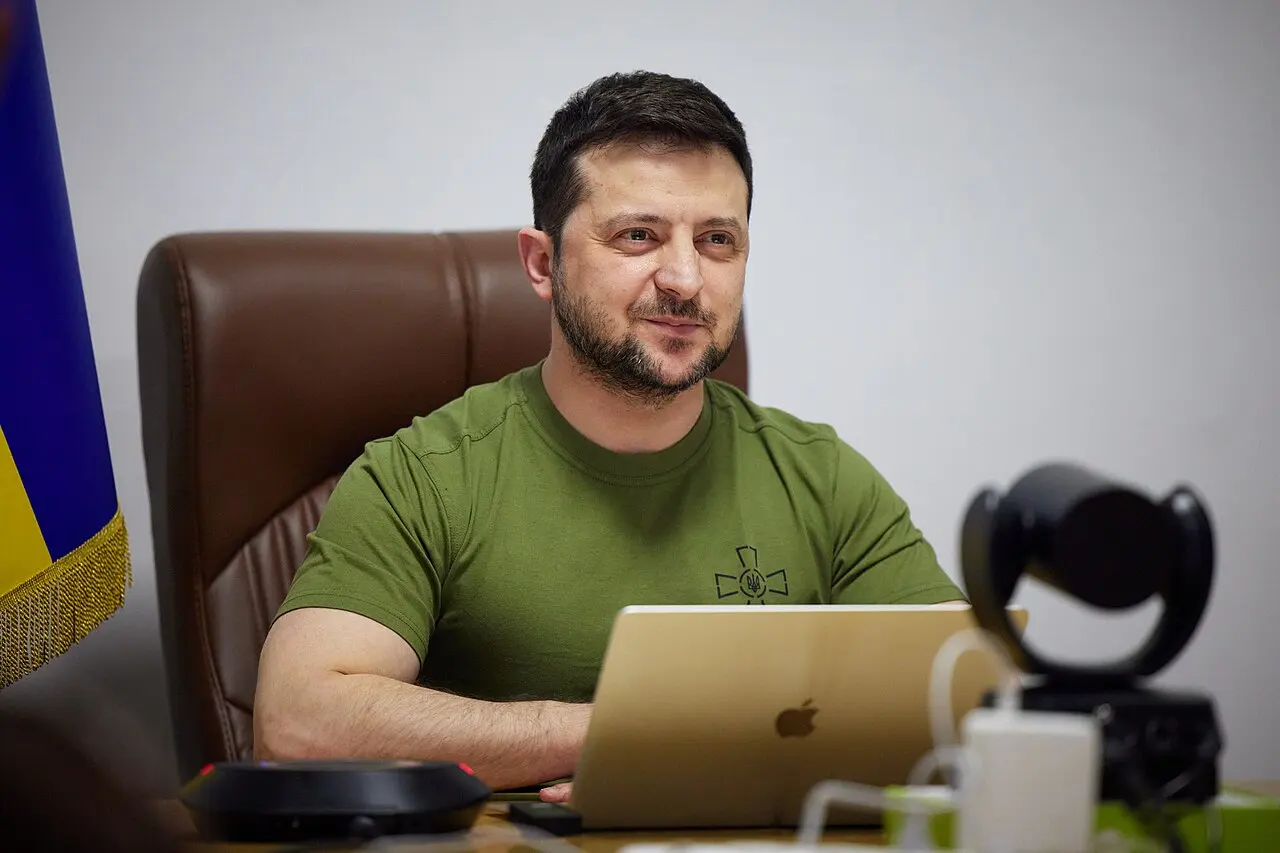
Donald Trump, Vladimir Putin and Xi Jinping held an unprecedented trilateral summit on 19 November 2026 in Shenzhen, China, concluding with a joint declaration on peace, nuclear security and energy cooperation, according to BFMTV. The three leaders also defended dialogue between major powers and called for United Nations reform. Xi Jinping described the meeting as constructive and invited Washington and Moscow to continue their cooperation.
The United States, China and Russia have pledged to maintain dialogue to reduce nuclear risks and prevent the proliferation of atomic weapons. Their joint declaration reaffirms that a nuclear war cannot be won and must never be started. Donald Trump defended direct exchanges between leaders, saying that peace could not be built by rejecting opportunities for negotiation. The summit lasted around 80 minutes at a residence in Shenzhen, on the sidelines of the Asia-Pacific Economic Cooperation (APEC) forum, according to BFMTV.
Xi Jinping described the discussions as positive and productive. The Chinese president called on his counterparts to implement the agreements reached, strengthen their exchanges and prioritise cooperation. He also defended the complementary nature of the three countries’ resources, industrial capabilities and markets, particularly in support of trade and supply chains.
On energy, the three powers announced their intention to increase the production and deliveries of refined petroleum products. Stable supplies and trade routes are an issue for economies dependent on energy imports, as well as for producing countries such as Congo-Brazzaville, whose public revenues are sensitive to fluctuations in oil markets.
The leaders also called for UN reform to strengthen its ability to respond to international crises. They further warned the International Criminal Court and other international courts against exercising powers they consider contrary to state consent and official immunities. For African countries, this reform raises, in particular, the question of their representation on the Security Council and their participation in decisions concerning crises on the continent.