




























URGENT

IEA describes Hormuz crisis as an unprecedented shock

By , based on Leadership and BFMTV

IEA describes Hormuz crisis as an unprecedented shock

In its World Energy Outlook 2026 report, the International Energy Agency says the Hormuz crisis is causing a major shock to the global energy system. According to the report, if risks to the Strait persist, oil flows through it could fall from 20 million barrels per day before the crisis to 8.5 million in 2030.

The International Energy Agency (IEA) believes the Strait of Hormuz crisis could permanently transform global energy markets. In its World Energy Outlook 2026 report, the organisation warns that disruptions caused by the conflict in the Middle East and difficulties in maritime traffic risk changing energy supplies and governments' priorities. Its executive director, Fatih Birol, considers a return to the situation before the crisis to be out of the question.

If risks to maritime transport through Hormuz persist, investment in bypass pipelines and other supply routes could reduce oil flows through the strait. These would fall from around 20 million barrels per day before the crisis to 8.5 million in 2030, and then to less than 2 million in 2035. The Middle East would nevertheless retain its position as the leading oil-exporting region to international markets.

If the conflict is resolved, the IEA anticipates a strong recovery in oil and gas production. The delayed arrival of new liquefied natural gas export capacity could notably increase supply and put downward pressure on prices, while countries rebuild their stocks.

The organisation also forecasts an increase in the use of electricity in energy consumption. Its share of global final consumption would approach 30% in 2035 across all the scenarios studied. Solar power and nuclear energy would be among the main beneficiaries of this trend, alongside domestic fossil fuel resources in some Asian countries. Fatih Birol nevertheless urges governments to avoid replacing one energy dependency with another. The IEA specifies that its scenarios are possible developments rather than certain forecasts.

These prospects extend questions about the economic and trade consequences of the Hormuz crisis, which was already examined on 20 November in connection with possible changes to global energy markets.
Share this article

Ongoing story · day by day

Iran-US crisis

The Iran-US crisis concerns the nuclear deal, nuclear weapons and the risk of war.

The latest developments

Earlier in this story

  1. 19 NovXi Jinping breaks protocol to welcome Trump in Shenzhen
  2. 19 NovNATO is not worried about Trump-Xi-Putin rapprochement, says Rutte
  3. 19 NovTrump may wait until after New Year before striking Iran
  4. 19 NovXi Jinping urges Trump and Putin to safeguard world peace
  5. 19 NovShenzhen summit fails to break trade dispute deadlock
The whole story: 214 articles →

Related stories

Hormuz crisis could reshape global energy markets

The Strait of Hormuz crisis triggered by the conflict in the Middle East could permanently change global energy markets, according to the International Energy Agency (IEA). In its 2026 annual report, the institution describes a major supply shock and forecasts diversified energy sources, increased development of domestic resources and accelerated electrification. Its executive director, Fatih Birol, rules out a return to the previous situation.

🌍 World · Source: The Independent ·

Trump, Xi and Putin criticise the International Criminal Court

Donald Trump, Xi Jinping and Vladimir Putin adopted a joint declaration in favour of peace on 19 November 2026 in Shenzhen, China, following their first trilateral summit, according to BFMTV. The three leaders plan discussions on reducing nuclear risks, non-proliferation and energy cooperation. Their meeting has raised concerns, particularly in Ukraine, where no concrete commitment to resolving the conflict was announced.

🇨🇳 China · Source: The New Times (Rwanda) ·

World Bank forecasts 3.7% growth for Algeria in 2026

According to the World Bank, Algeria’s economy grew by 3.8% in 2025, supported by public investment and domestic demand. It forecasts growth of 3.7% in 2026 and then 3.4% in 2027, with inflation rising in the first half of the year, according to its report published on Thursday.

🇩🇿 Algeria · Source: Observ'Algérie ·

Debt distress: 14 African countries at high risk, AfDB says

The African Development Bank (AfDB) estimates that 14 African countries were at high risk of debt distress in July 2026, while eight others were already in debt distress. Its November 2026 report puts interest payments made outside the continent between 2022 and 2024 at $87 billion, according to ThisDay. The AfDB also warns of the growing burden of commercial and domestic borrowing, despite an expected decline in African public debt by 2030.

🌍 World · Source: ThisDay ·

🌍 Latest from World

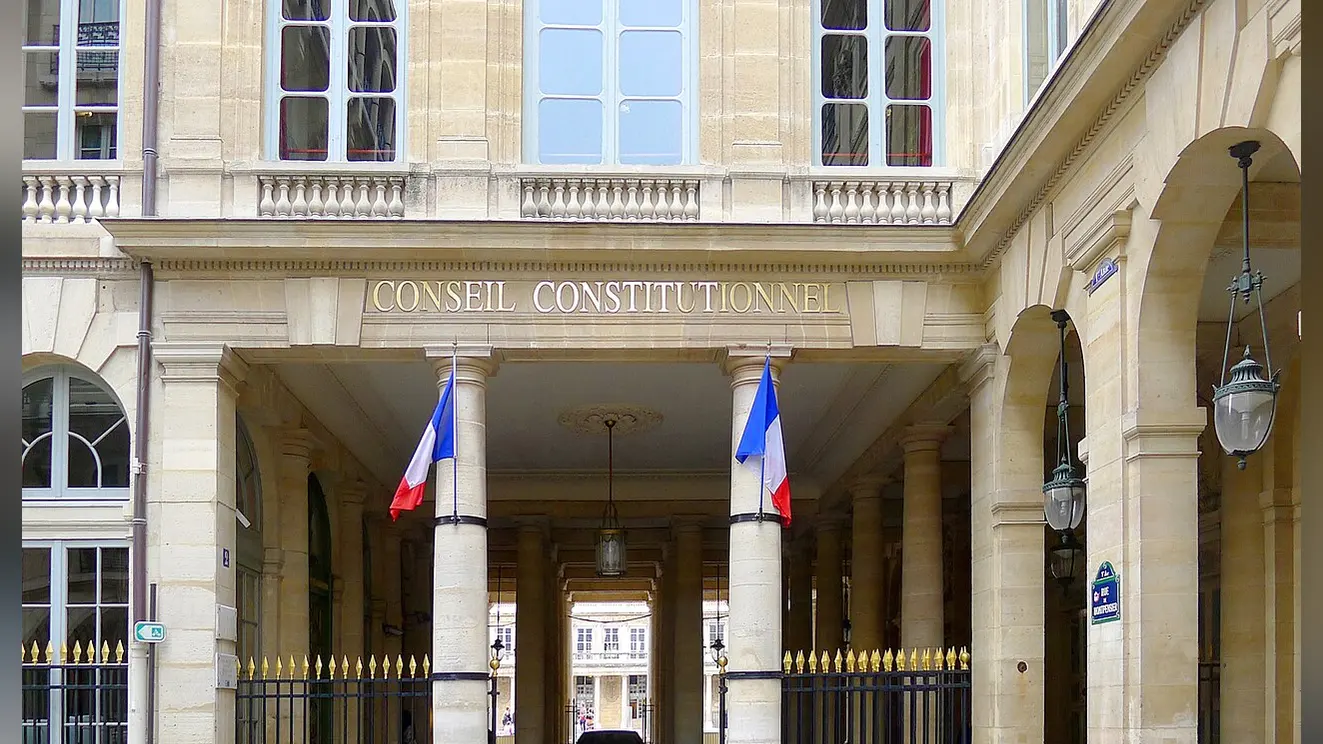
Constitutional Council invalidates levy on pharmaceutical companiesConstitutional Council invalidates levy on pharmaceutical companiesFrance’s Constitutional Council on Friday overturned the method for calculating a contribution on reimbursable medicines, whose tax base included discounts granted to the Health Insurance system. According to BFMTV, amounts paid by pharmaceutical companies between 2014 and 2024 have consequently been invalidated, following an initial challenge by the Court of Cassation in March 2025.All World news →

Business

Continental considers closing South African plant, putting 950 jobs at riskContinental considers closing South African plant, putting 950 jobs at riskGerman tyre manufacturer Continental is considering closing its plant in Gqeberha, South Africa, a decision that could affect around 950 employees. The company has launched consultations with employee representatives and could halt production in early 2027 if no viable solution is found. This prospect comes amid increased competition from low-cost imports and the site’s prolonged underutilisation, according to Sowetan.All Business news →

The week in Africa

This week’s highlights

  1. Africa rejects any renegotiation of Paris Agreement at COP31🌍 World
  2. Anthropic trades at $110 on Nasdaq, against an IPO price of $83🇺🇸 United States
  3. In Nigeria, Tinubu proposes decriminalising attempted suicide🇳🇬 Nigeria
  4. Kigali demands evidence over claims Kagame backs Kabila’s FRN🇷🇼 Rwanda
  5. Ebola kills 46 members of one man’s family in Bunia, DR Congo🇨🇩 DR Congo
All of this week’s highlights →

Africa in your inbox

Be the first to get our letter in English: the essentials from every region of the continent, free.

Free · one email a week · unsubscribe in one click. Your address is only used to send you the letter, never sold. Personal data

← Back to the news