Rohingya genocide survivor Yasmin Ullah calls for reparations
By the AFREEQUE newsroom, based on Al Jazeera, Amnesty International, France 24, Physicians for Human Rights, BFMTV and Foroyaa
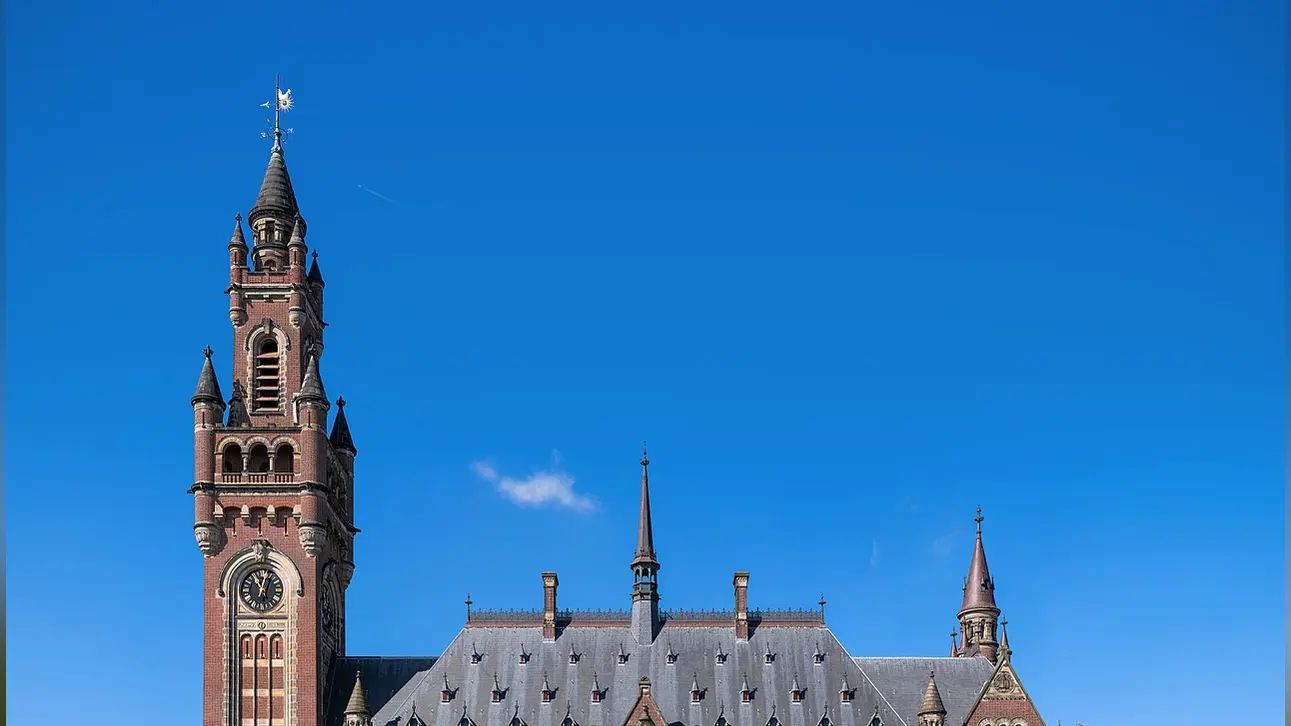
The International Court of Justice (ICJ) ruled on 19 November 2026 that Myanmar had committed genocide against the Rohingya during the 2017 military operations, according to Al Jazeera. Adopted by nine votes to six, the ruling establishes acts involving killings, physical and psychological violence, and the prevention of births within the minority. It is the first judgement of this kind delivered under the 1948 Genocide Convention.
The ICJ concluded that the authorities of Myanmar had committed acts of genocide with the intention of destroying part of the Rohingya population in Rakhine State, in the north of the country. The ruling, delivered on 19 November 2026, follows proceedings initiated by The Gambia in November 2019 over violations of the 1948 Genocide Convention, Foroyaa reports.
The judges identified three categories of acts: killings, serious bodily or mental harm, and measures intended to prevent births within the group. However, they did not consider that The Gambia had sufficiently demonstrated a fourth category involving the deliberate imposition of living conditions intended to bring about the group’s physical destruction.
The Court also examined the discrimination suffered by the Rohingya over several decades and hate speech supported by the military apparatus. These elements, together with attacks on women and children, village burnings and forced displacement, helped establish the genocidal intent of the Burmese forces.
The ruling found that sexual violence, restrictions on marriage and measures aimed at preventing births formed part of the genocidal acts. Research by Physicians for Human Rights, cited seven times in the judgement, provided medical evidence and public health data that corroborated survivors' testimonies.