



















US consortium wins Kenya’s Mrima Hill mining project
By the AFREEQUE newsroom, based on Business Daily, Capital FM and Kenyans.co.ke
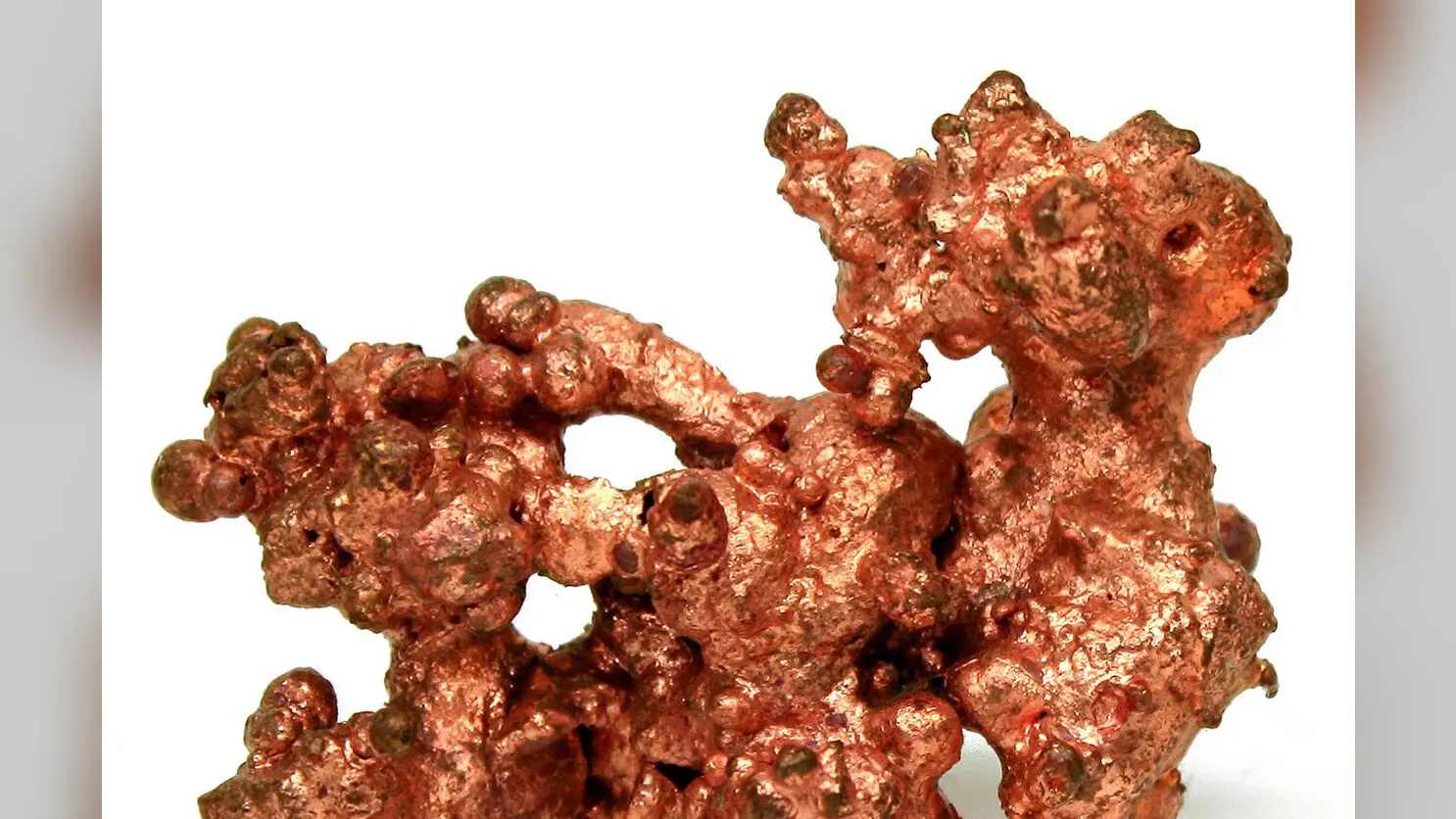
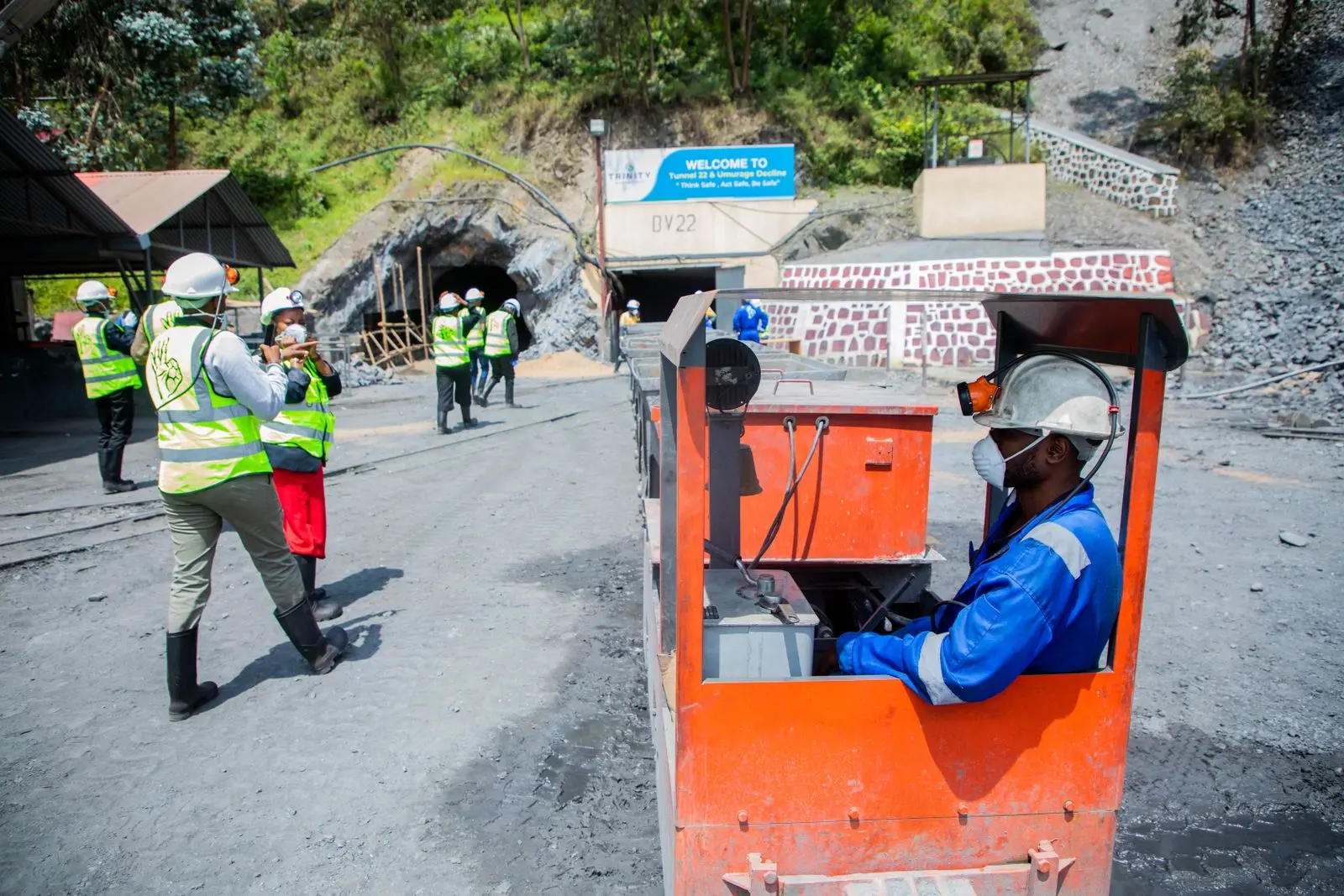 Illustrative image · Safi Erneste · Pexels · Licence Pexels
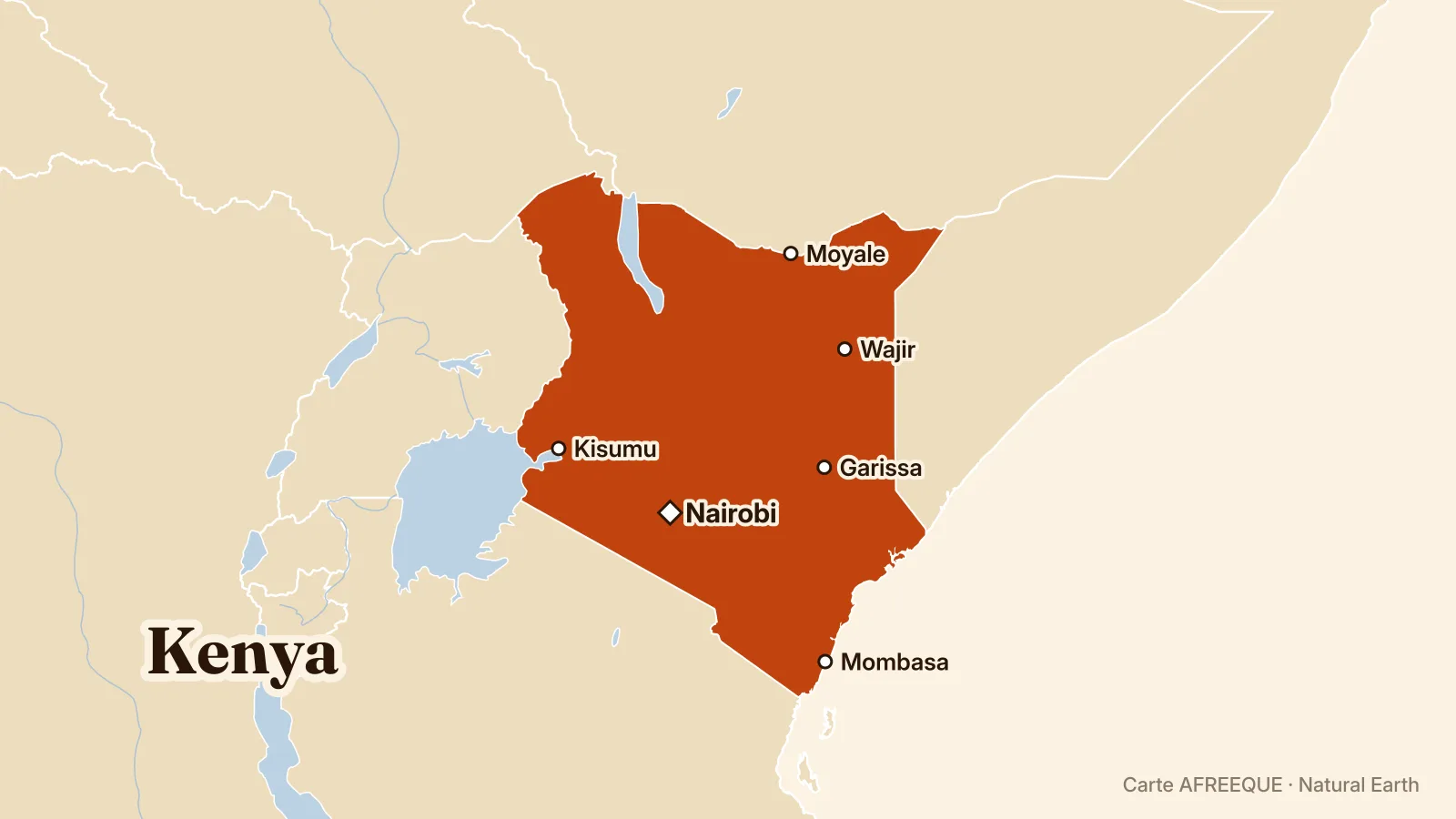
The US consortium Frontier Minerals Consortium has been selected to develop the niobium, rare earths and other minerals project at Mrima Hill, in Kenya’s Kwale County. The project is valued at 8 trillion Kenyan shillings, and the site could contain more than 6 trillion shillings' worth of rare earth minerals, according to the Ministry of Mining, cited by Business Daily Africa.
The Frontier Minerals consortium, comprising Frontier Minerals LLC, Bunker Hill Mining Corp, ReElement Technologies and American Resources Corporation, has been selected for the Mrima Hill mining project in Kwale County, according to Kenya’s Ministry of Mining, headed by Hassan Ali Joho. The consortium achieved the highest score among bids deemed to meet the selection criteria.
Two other strategic projects have also been awarded. A joint venture bringing together Fangda Special Steel Technology and Sinohydro Corporation has been selected to develop the Kang’ura chromite projects in Samburu County and the Kamacabi copper project in Tharaka Nithi County. However, no compliant bid was selected for the Lali Hills manganese and Kiritiri coltan projects. These two projects will be subject to separate procedures.
Hassan Ali Joho said the selected companies could not immediately begin exploration work. They must first consult local communities, landowners and county authorities, and then obtain the necessary permits under mining legislation. Licence applications will be reviewed by the Mineral Rights Board before being approved by the minister.
The selection process began in March 2026 with a public call for expressions of interest. Financial and technical proposals were opened on 21 October, following a mandatory meeting with bidders in August. The technical assessment covered geological expertise, local employment prospects, environmental restoration and the protection of cultural heritage. A minimum score of 80% was required.