URGENT

Tunisia seeks to curb speculation over agricultural prices

By , based on Webdo

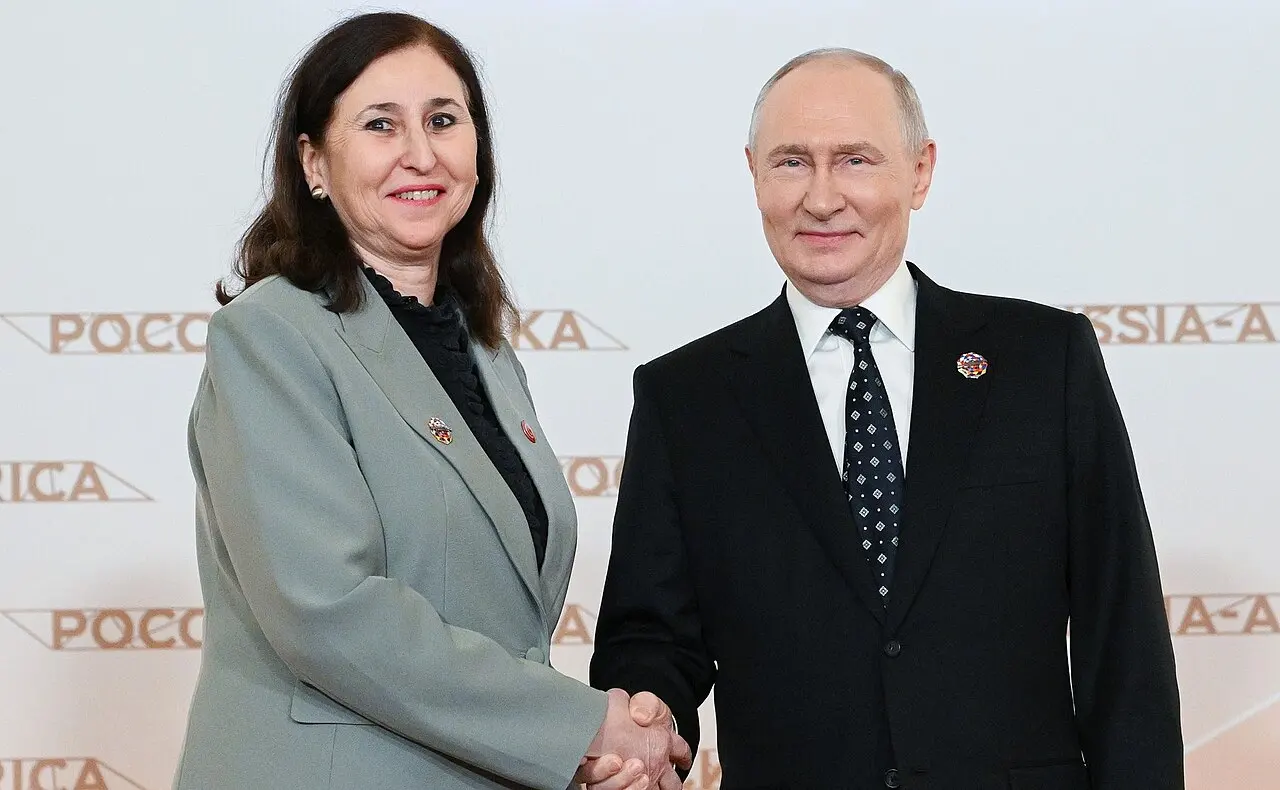
Tunisia seeks to curb speculation over agricultural pricesRussian Presidential Executive Office · CC BY 4.0

Tunisian Prime Minister Sarra Zaafrani Zenzri announced measures against intermediaries accused of putting pressure on crop purchase prices. The government is also making purchasing power and food, water, energy and medicine security priorities, according to her statement before the Tunisian Parliament.

Tunisian Prime Minister Sarra Zaafrani Zenzri announced measures targeting intermediaries accused of putting pressure on crop purchase prices, as part of the fight against speculation and monopoly practices. She said on Monday 9 November 2026 that the state would intervene by all legal means in response to rising prices, according to Webdo.

Sarra Zaafrani Zenzri also placed improving purchasing power at the heart of government action and considered its protection a component of national security. She cited food, water, energy and medicine security among the government’s priorities, along with improving essential services, creating decent jobs and raising living standards, according to Webdo.

On taxation, the 2027 finance bill provides for broadening the tax base, improving tax revenue performance and strengthening collection, while easing the burden on small farmers and simplifying their obligations. Tax authorities are notably to receive enhanced consultation rights to access more information, as part of the fight against tax evasion and the integration of the informal sector, according to Webdo.

The government statement comes after 150 million dinars was mobilised for olive oil, announced on 23 October 2026. It also comes amid a sequence focused on the 2027 budget, marked on 9 November by announcements on 4.2 million tonnes of phosphate and the current account deficit at 3.7% of GDP.
Share this article

Related stories

Tunisia forecasts current account deficit at 3.7% of GDP in 2027

Tunisian head of government Sarra Zaafrani Zenzri announced on Monday before Parliament that the current account deficit should narrow to 3.7% of GDP in 2027, against 3.9% in 2026, thanks to lower energy imports and an expected rise in exports and tourism receipts. Export diversification is among the priorities of the 2027 budget, according to La Presse de Tunisie.

🇹🇳 Tunisia · Source: La Presse de Tunisie ·

Tunisia plans 12.530 billion dinars in development spending for 2027

Tunisian Prime Minister Sarra Zaâfrani Zenzri announces 12.530 billion dinars to finance development in 2027, 7.6% more than in 2026. A package of about 115 million dinars will also support the creation and financing of projects, according to Webdo.

🇹🇳 Tunisia · Source: Webdo ·

Tunisia cuts customs duties on solar panels to 10%

Tunisia's 2027 finance bill, presented on Monday 9 November by head of government Sarra Zaâfrani Zenzri before Parliament, cuts customs duties on solar panels to 10% and exempts electricity storage batteries from customs duties, VAT and the professional tax on imports. These measures, set out in articles 49 to 51, remain subject to the text's final vote.

🇹🇳 Tunisia · Source: Webdo ·

Tunisia targets 4.2 million tonnes of phosphate in 2027

Tunisian head of government Sarra Zaâfrani Zenzri announced before the Assembly of People's Representatives and the National Council of Regions and Districts a phosphate production target of 4.2 million tonnes in 2027, against 3.4 million expected for 2026, a rise of nearly 23.5%. This projection is meant to raise the mining sector's value added to 13.2% in 2027, but its achievement depends on the extraction, transport and processing obstacles still weighing on the sector, according to Webdo.

🇹🇳 Tunisia · Source: Webdo ·

🇹🇳 Latest from Tunisia

Tunisia's Parliament examines 2027 state budgetTunisia's Parliament examines 2027 state budgetThe two chambers of Tunisia's Parliament began examining the 2027 state budget on 9 November, with two and a half weeks devoted to sectoral budgets. The finance bill must be voted on by 10 December at the latest, according to Webdo.All Tunisia news →

Business in North Africa

Potatoes reach 160 dinars per kilo in AlgeriaPotatoes reach 160 dinars per kilo in AlgeriaPotatoes are currently selling for between 100 and 160 dinars per kilogram on Algerian markets where they remain available, against a ceiling of 90 dinars set for consumers. Producers in Aflou, in Laghouat wilaya, attribute the shortage to reduced cultivated areas, rising costs and weather conditions, according to Ennahar TV.All Business news →

The week in Africa

This week’s highlights

  1. ANC falls to 30.76% in South African local elections🇿🇦 South Africa
  2. Men’s 3×3 basketball: Senegal win gold at Youth Olympics🇸🇳 Senegal
  3. Trump reacts to calls for Nvidia boss to step down🇺🇸 United States
  4. COP31 in Antalya opens with financing of African agriculture🇹🇷 Türkiye
  5. Ebola: Pierre Somsé warns of spread risk in Central African Republic🇨🇫 Central African Republic
All of this week’s highlights →

Africa in your inbox

Be the first to get our letter in English: the essentials from every region of the continent, free.

Free · one email a week · unsubscribe in one click. Your address is only used to send you the letter, never sold. Personal data

← Back to the news