Trump wants to address nuclear arms reduction in Shenzhen
By the AFREEQUE newsroom, based on L’essentiel, Actu Cameroun, UG Diplomat, BFMTV and Bamada.net
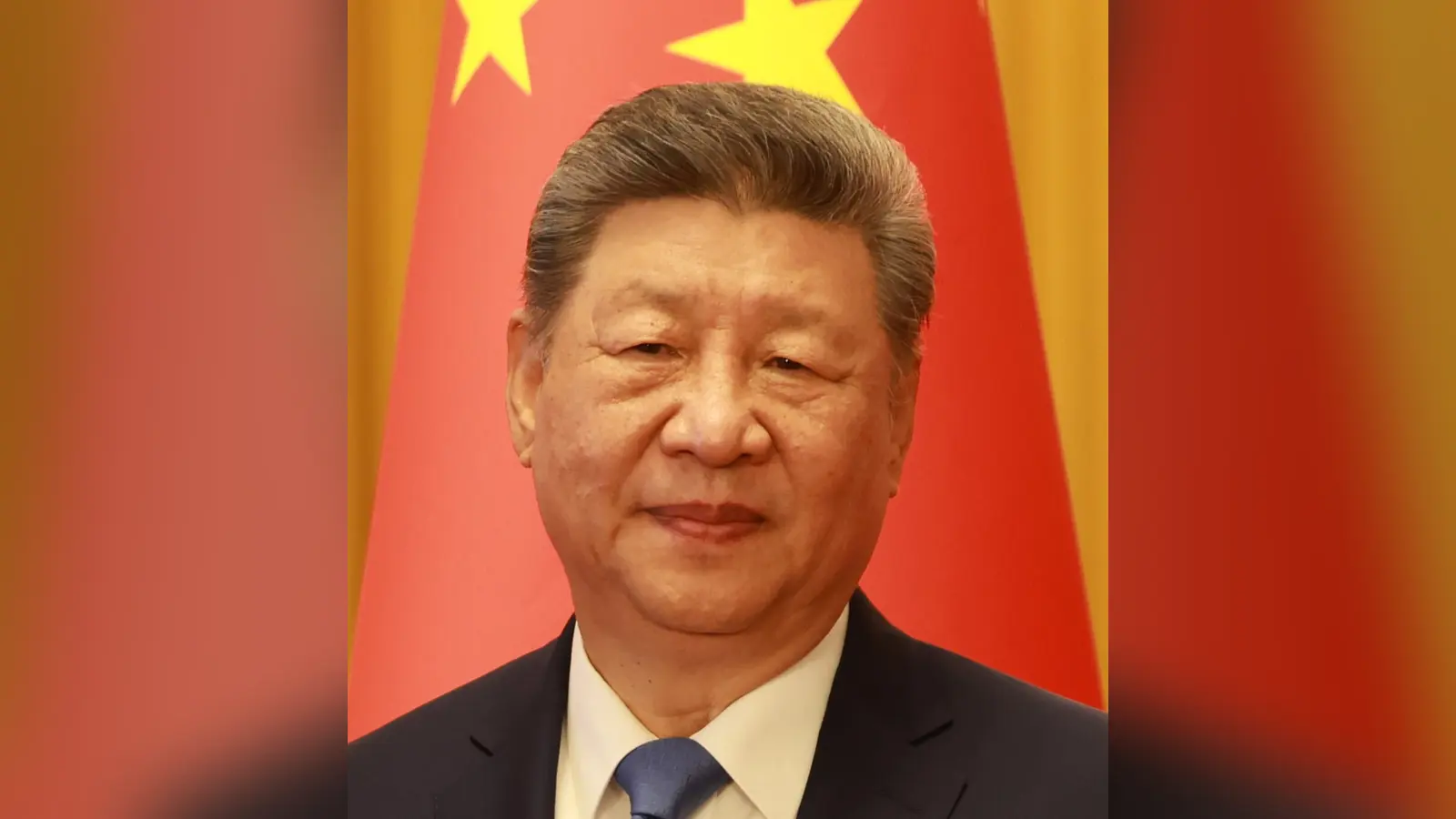
China has confirmed a summit in Shenzhen on Thursday 19 November bringing together Xi Jinping, Donald Trump and Vladimir Poutine, on the sidelines of APEC, according to BFMTV. It would be the first meeting of these three leaders in this format, and Washington wants to address the reduction of global nuclear arsenals there.
Beijing made the meeting official in a statement from its Ministry of Foreign Affairs, which presents it as a China-Russia-United States summit. The White House and the Kremlin had already endorsed the meeting, which takes place as APEC begins on Wednesday. The Kremlin, through Dmitri Peskov, said an agreement had been reached for a trilateral meeting on 19 November, while Beijing had not yet confirmed it.
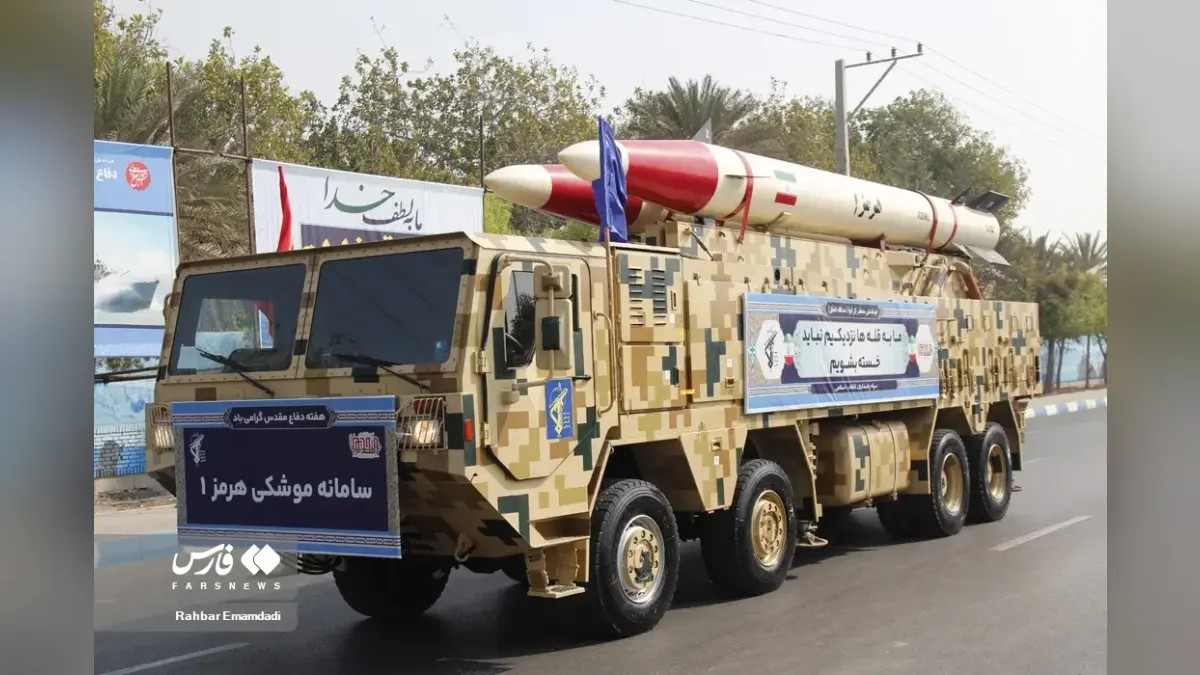
The New START treaty expired on 5 February 2026, and no binding limit now applies to the US and Russian arsenals, a situation unprecedented since the Cold War. Donald Trump rejects a simple renewal of the agreement with Moscow and calls for a 'modernised' text that includes Beijing. According to the Pentagon, China has more than 600 warheads, compared with nearly 5,000 each for the United States and Russia. Beijing rejects any trilateral disarmament negotiation and first demands significant cuts to the US and Russian arsenals.
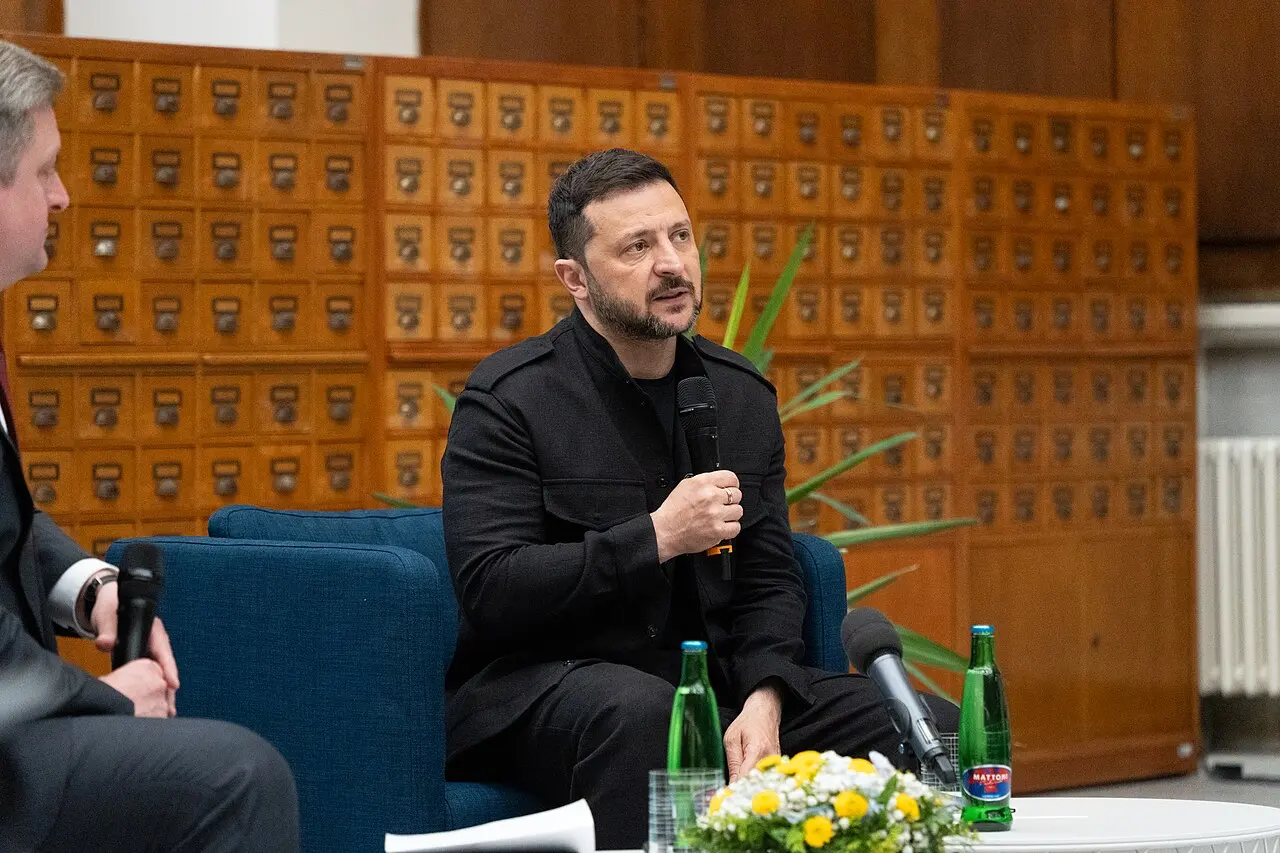
A senior US official does not expect any formal agreement on nuclear issues and favours a first direct contact between the leaders. Iran’s nuclear programme and the war in the Middle East, which began in late February with Israeli-American strikes on Iran, are also on the agenda. The White House, by contrast, excludes Ukraine, as China is not taking part in the talks being held in parallel between Kyiv, Moscow and the Europeans.
Unlike the August 2025 meeting in Alaska, Trump and Poutine will not hold a one-on-one meeting in Shenzhen. German President Frank-Walter Steinmeier told broadcaster ARD that Xi Jinping had shown 'irritation' when trilateral talks on Ukraine were raised, stressing that it was a European conflict.