The Middle East is not divided into two blocs
By the AFREEQUE newsroom, based on Atlanticcouncil
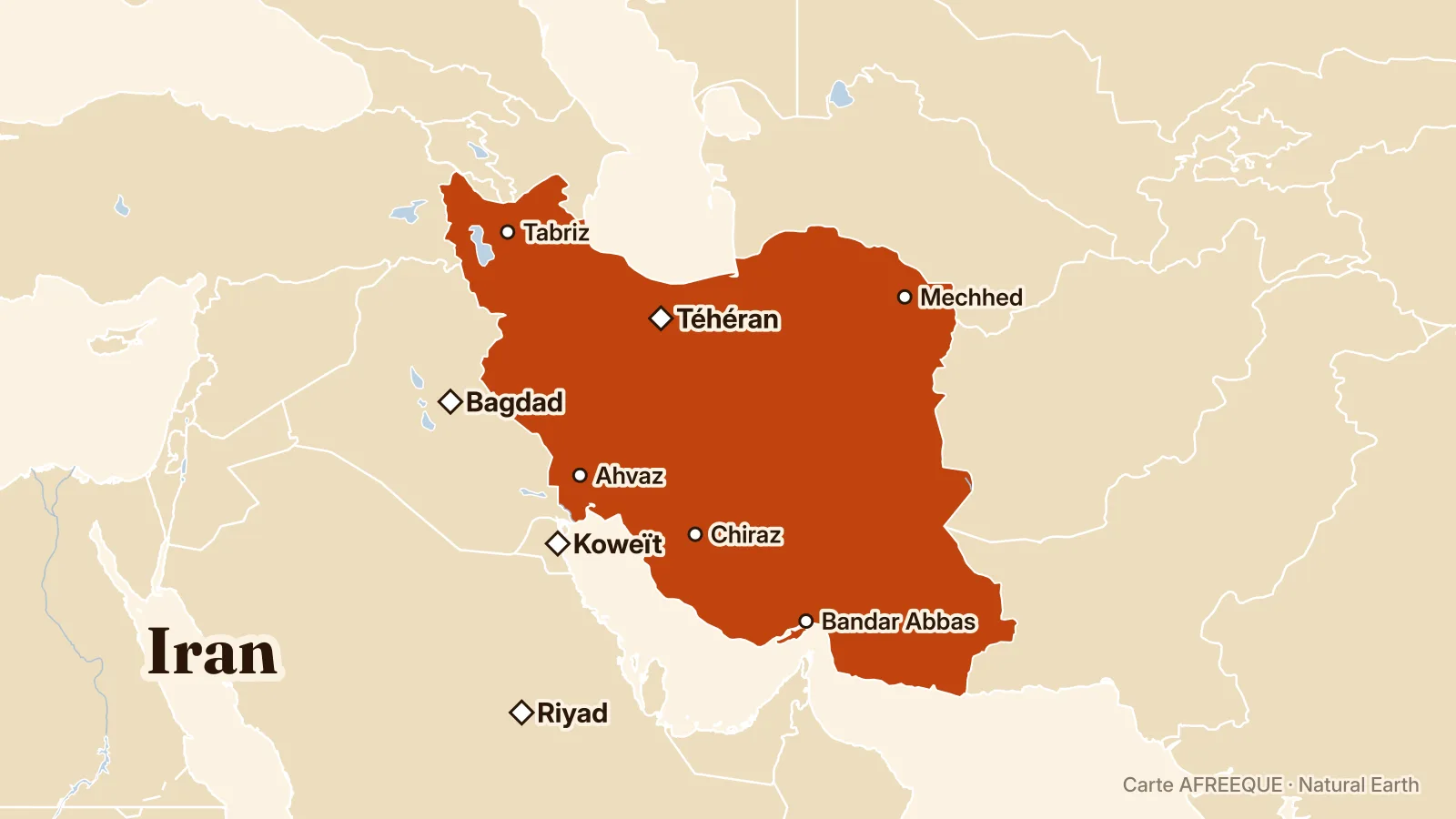
The article analyses the alliances and partnerships reshaping the Middle East after the war against Iran. It challenges the idea that the region is organised into two blocs, according to the Atlantic Council.
The strengthening of alliances in the Middle East does not mean the region is dividing into two blocs, says Jonathan Panikoff, author of an analysis published by the Atlantic Council. States cooperate on certain issues but retain their strategic autonomy and are not bound by commitments that would require them to subordinate their national interests.
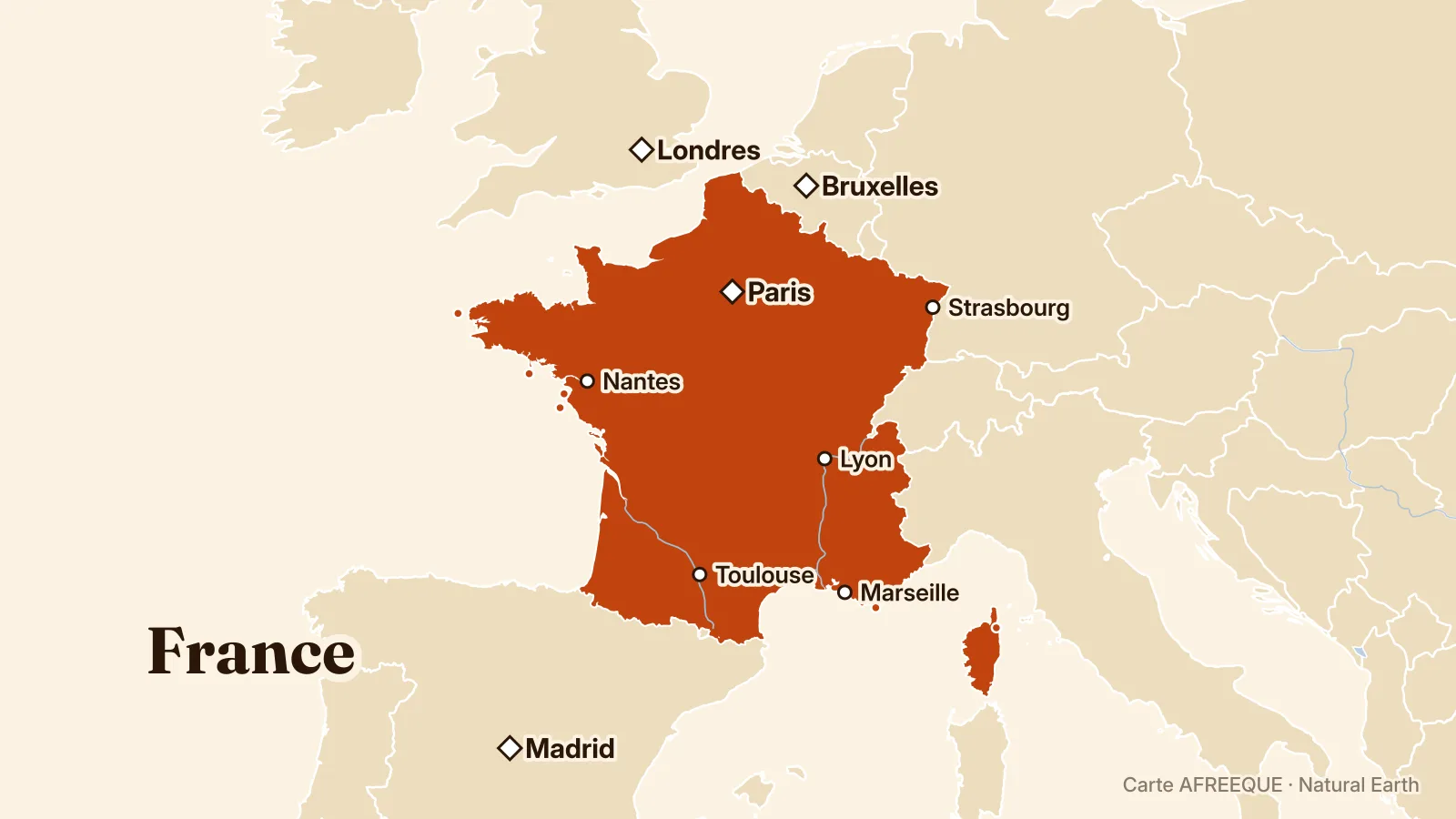
The analysis contrasts the “R4” — Saudi Arabia, Turkey, Pakistan and Egypt — with closer ties between Israel and the United Arab Emirates, sometimes joined by Ethiopia, Somaliland, India and Bahrain. The defence pact signed in Mecca in August 2026 strengthened ties between Riyadh, Ankara and Islamabad. In October, after attacks by Iran-backed Houthis against Saudi Arabia, Egypt offered to send troops to defend the kingdom.
Panikoff describes these developments instead as modular alignments: states cooperate according to the issue, without forming blocs with shared obligations. The war against Iran has accelerated regional recalibrations and questions about the reliability of allies, while Gulf governments seek to strengthen their strategic autonomy.
Summary produced with the help of artificial intelligence tools, under AFREEQUE’s editorial responsibility.