South Africa says South Sudan is ill-prepared for elections
By the AFREEQUE newsroom, based on Radio Tamazuj
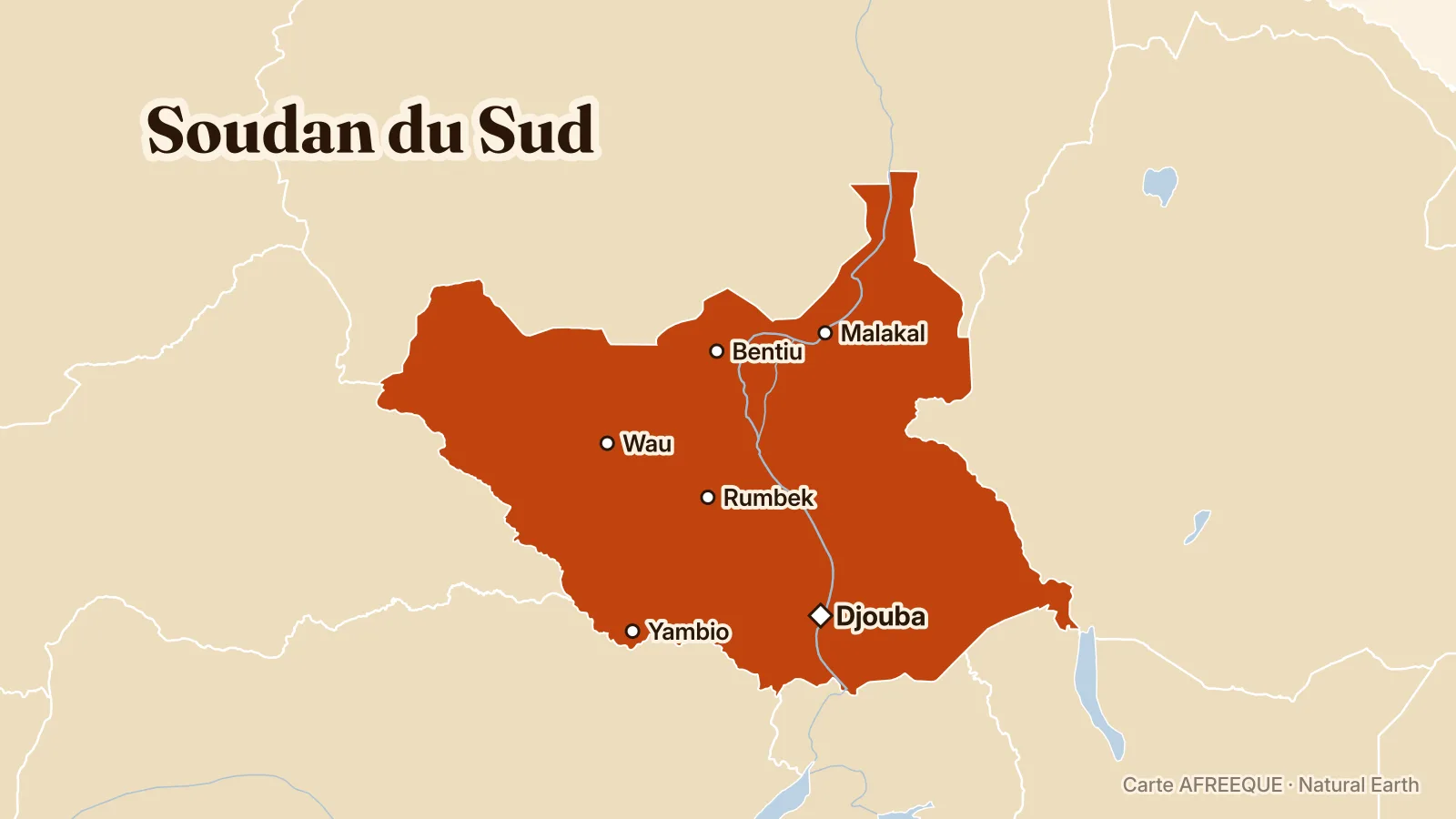
Before the UN Security Council, South African ambassador Mxolisi Sizo Nkosi said South Sudan is not ready for the 22 December vote, citing an African Union assessment that points to shortages of resources and technical expertise. Juba defends holding the elections, with its deputy representative Sabino Edward Nyawella Amaikwey saying they are not an obstacle to peace, Radio Tamazuj reports.
South Africa believes South Sudan is not sufficiently prepared for the elections scheduled for 22 December. Its Permanent Representative to the UN, Mxolisi Sizo Nkosi, said so on Tuesday before the Security Council in New York, citing an African Union assessment that points to shortages of resources and technical expertise, Radio Tamazuj reports.
Mxolisi Sizo Nkosi also said he was concerned about the worsening humanitarian situation, restrictions on aid access and the pressure from refugees fleeing neighbouring Sudan. While acknowledging Juba’s sovereign right to set its electoral process, he insisted on compliance with legal, financial and operational requirements and on broader participation by parties, women and young people. Pretoria has offered technical assistance and electoral equipment, and invited South Sudanese electoral officials to observe South Africa’s local elections on 4 November.
South Sudan is defending its timetable. Its Deputy Permanent Representative, Sabino Edward Nyawella Amaikwey, said the country cannot remain indefinitely under a transitional regime: "Elections are not an obstacle to peace." He criticised what he considered disproportionate attention paid to political actors accused of slowing the implementation of the 2018 peace agreement, and warned against further delays. Rejecting accusations that he said were unverified, he called on the UN Mission in South Sudan (UNMISS) and human rights mechanisms to strengthen their consultations with the authorities. According to him, obstructing UNMISS "has never been, and is not" State policy.
Denmark’s ambassador, Christina Markus Lassen, warned that elections without political consensus, adequate preparation and genuine participation could deepen divisions and reignite violence. She urged President Salva Kiir and all parties to recommit to the revitalised peace agreement, to respect the ceasefire and to engage in dialogue. She condemned the continuing fighting and the attacks on humanitarian workers.
This session comes after civil society judged the elections premature as early as 29 October. The same day, the United Kingdom said that the transitional government is weakening consensus.