Shakahola: repeated warnings failed to stop Paul Mackenzie in Kenya
By the AFREEQUE newsroom, based on Tuko
A parliamentary inquiry and the Kenya National Commission on Human Rights identified several institutional failures that allowed Paul Mackenzie to continue his activities despite repeated warnings. Authorities had raided his property in 2017 and rescued 93 children, Tuko reports, revisiting the failings exposed by the Shakahola tragedy.
Paul Mackenzie, the Kenyan preacher convicted in the Shakahola massacre case, had already faced the justice system before the mass graves were discovered. In 2017, authorities raided his property and rescued 93 children, while he was facing proceedings over alleged radicalisation and operating an unauthorised school, reports Tuko, drawing on parliamentary inquiries and work by the Kenya National Commission on Human Rights.
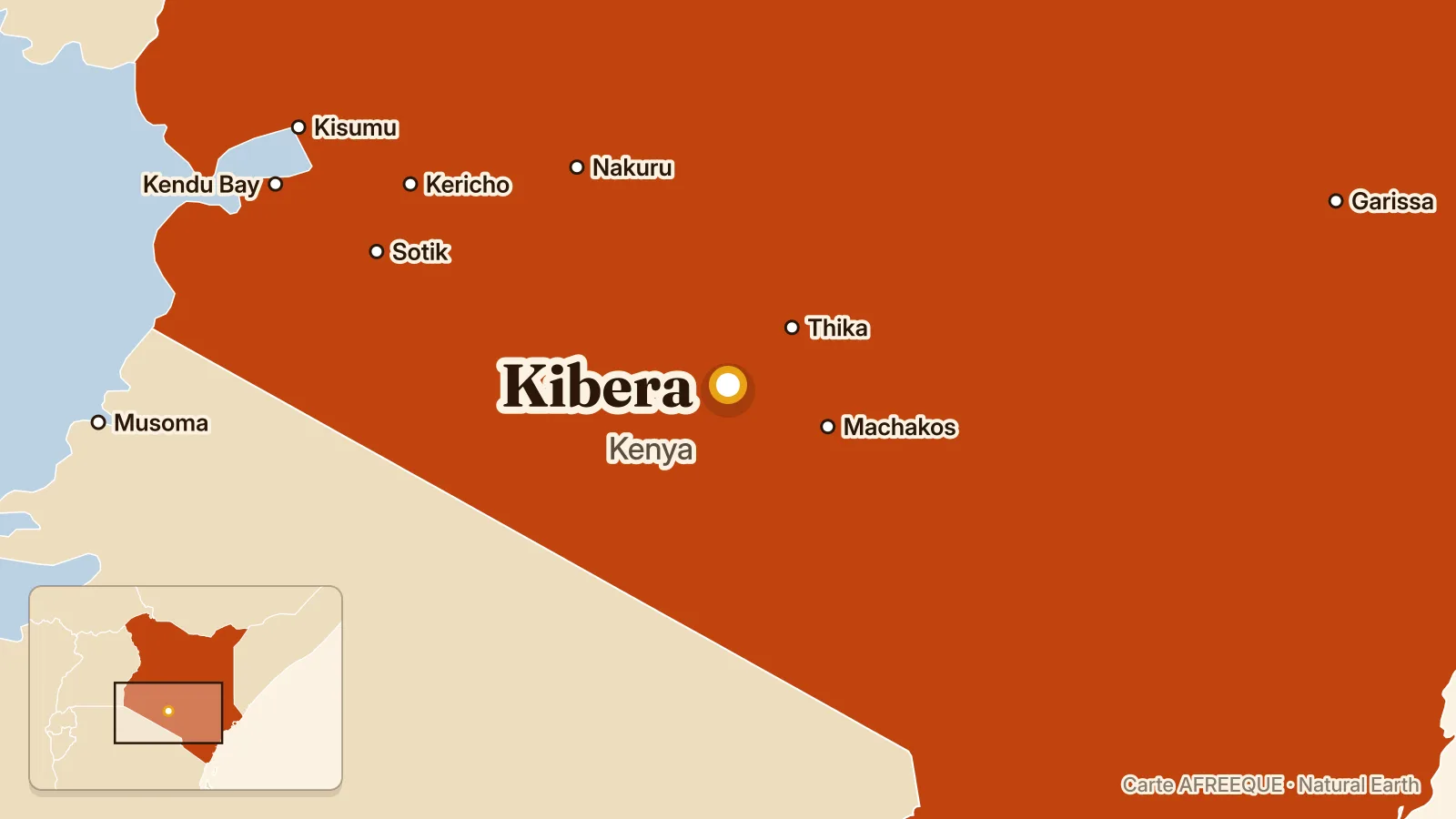
His church in Malindi, in Kilifi County, was closed in 2019, but the decision did not end his influence. Mackenzie later moved his activities to Shakahola forest, an isolated area where his group settled, according to Tuko.
Investigations by Kenya’s Senate and the National Commission on Human Rights identified failures by several state agencies in responding to warnings and protecting vulnerable people. The case resulted in Mackenzie and 28 co-accused being found guilty of 191 murders, before his sentencing, according to earlier articles about the trial. The verdict against Paul Mackenzie has reignited debate about regulating religious activities in Kenya.
Summary produced with the help of artificial intelligence tools, under AFREEQUE’s editorial responsibility.