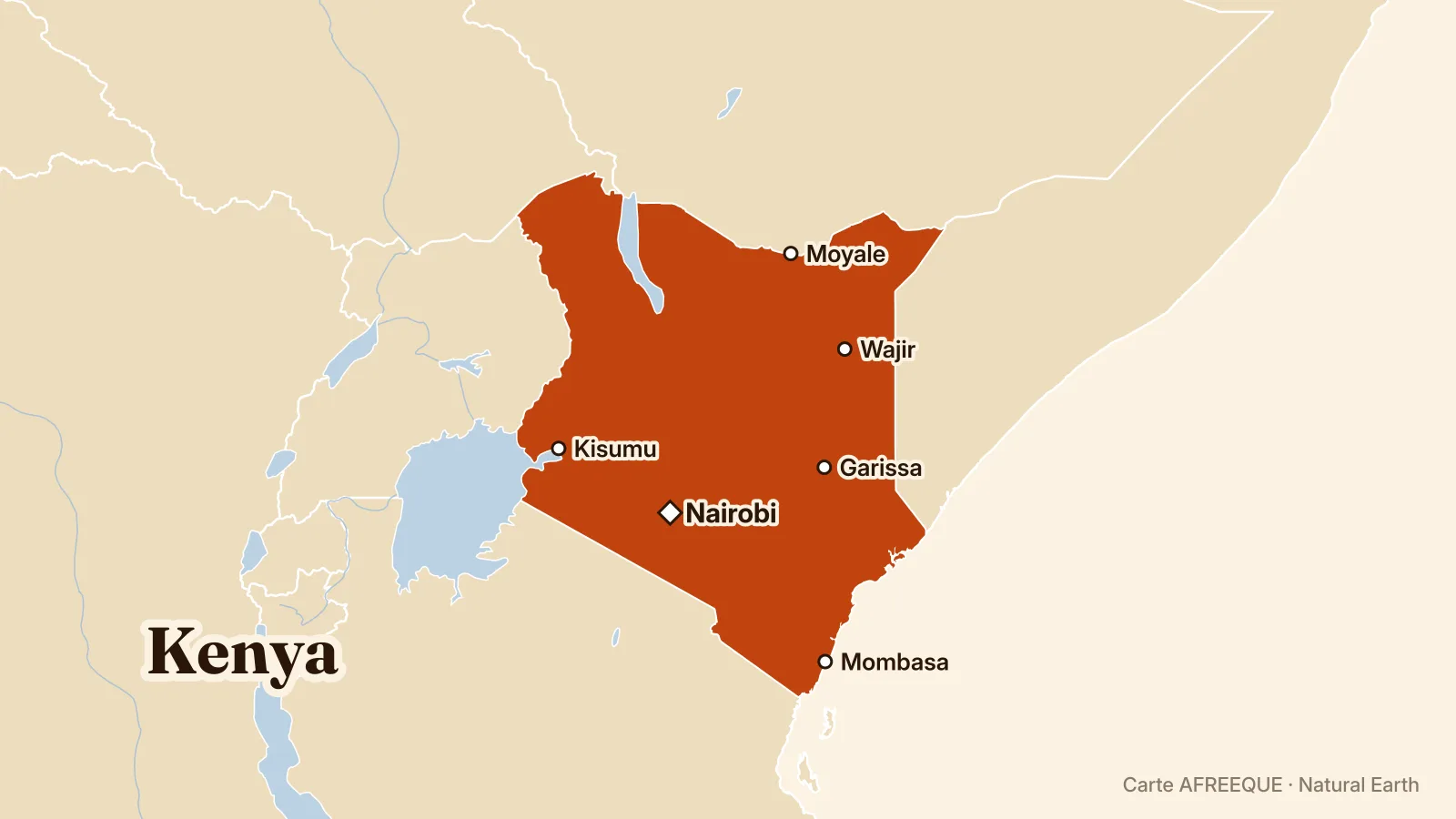
The verdict against Kenyan pastor Paul Mackenzie has revived debate over the regulation of religious institutions. Sociologist Armstrong Clement believes stricter oversight and better public education are needed, and notes that socioeconomic difficulties can encourage the emergence of religious leaders who abuse their influence, reports Mwananchi.
The verdict against Kenyan pastor Paul Mackenzie has revived debate over the regulation of religious institutions. Sociologist Armstrong Clement believes stricter oversight and better public education are needed, and notes that socioeconomic difficulties can encourage the emergence of religious leaders who abuse their influence, reports Mwananchi.
A court in Mombasa has found preacher Paul Mackenzie and 28 co-accused guilty of murdering 191 people, including 190 children, in the Shakahola forest massacre case. The verdict was delivered on Monday, according to Africanews.
A Mombasa court found Paul Mackenzie and 28 co-defendants guilty of murdering 190 children and one adult who died in a sect that advocated fasting to “meet Jesus”. Judge Diana Kavedza Mochache rejected the defence that the victims had fasted voluntarily, three years after the first bodies were discovered in Kenya.
The Mombasa High Court is due to deliver its verdict on 19 October in the trial of pastor Paul MacKenzie and 94 co-accused, charged with murder after the deaths of more than 530 people. The bodies were exhumed from mass graves in Shakahola forest, in eastern Kenya, in 2023, RFI reports.