Electoral violence: seven days for Nigeria’s INEC to pursue prosecutions
By the AFREEQUE newsroom, based on Daily Post, Vanguard, Premium Times, Punch, Leadership and Tribune Online
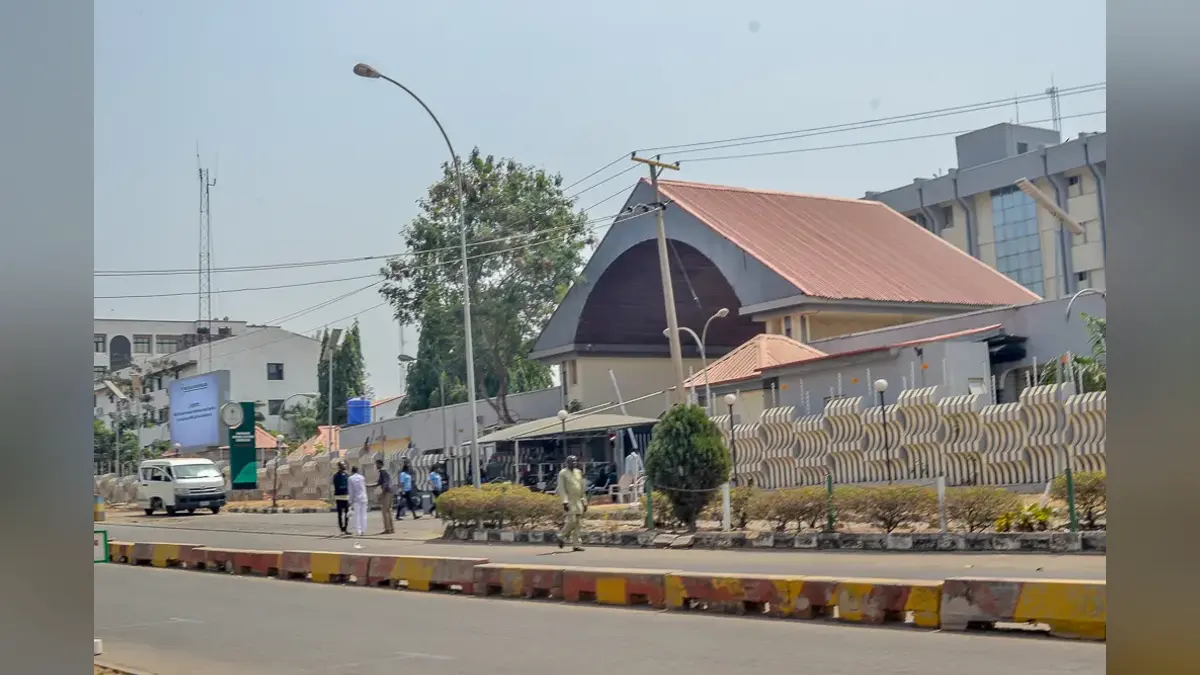
The NGO SERAP has given the Independent National Electoral Commission (INEC) seven days to bring prosecutions against perpetrators of electoral violence, failing which it will take the matter to court. It also calls for the names of suspects and the progress of proceedings to be published as the 2027 general elections approach, according to Vanguard.
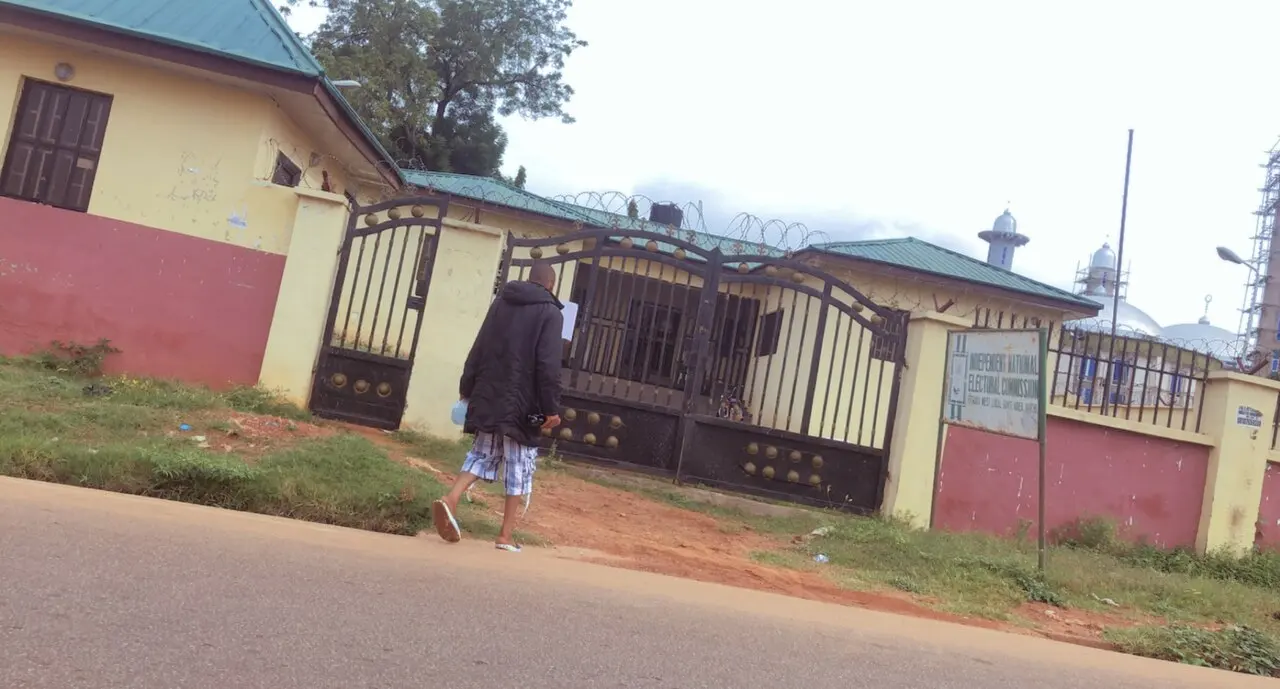
According to a letter from the NGO SERAP dated 14 November and signed by its deputy director, Kolawole Oluwadare, INEC chairman Professor Joash Amupitan is asked to retrieve from the police the case files of people arrested for electoral violence since the launch of the 2027 campaign. He is asked to have these files examined by the commission’s lawyers or designated lawyers, and then to bring prosecutions where the available evidence establishes an offence under the 2026 Electoral Act. If nothing is done within seven days of receipt or publication of the letter, the organisation threatens to take the matter to court to compel the commission to act.
The organisation relies on a series of incidents since the start of the campaign on 19 August. The most recent, on 12 November, targeted members and supporters of the Nigeria Democratic Congress (NDC) during a public meeting in Oregun, Lagos; journalist Samuel Adebanjo was reportedly assaulted and his equipment seized. Other incidents cited include obstruction of candidate Peter Obi’s convoy in Benue State on 8 September, attacks in Enugu on 12 September, the convoy of ADC senatorial candidate Herberta Okonofua targeted in Edo on 6 October, and Peter Obi’s convoy attacked in Calabar on 4 November. Several attacks reportedly caused deaths: a supporter in Enugu on 10 October, one person in Ibadan on 14 October, another in Ebonyi on 22 October, where three others were also injured, and one person in Asaba on 7 November, with five injured.
The organisation believes that the arrests and measures already taken by the police are not sufficient, even though the police remain primarily responsible for investigations. It recalls that the 2026 Electoral Act prohibits force, threats and disorder at political meetings, and entrusts prosecutions to INEC’s lawyers or to lawyers it designates. It also asks INEC to demand explanations from parties suspected of encouraging such practices, under penalty of a fine, and to make the names of suspects public. Without prosecutions, it says, violence risks multiplying, entrenching impunity and undermining the credibility of the 2027 elections. It bases its request on the freedoms of expression, assembly and political participation guaranteed by the Nigerian Constitution, as well as the International Covenant on Civil and Political Rights and the African Charter on Human and Peoples' Rights.