URGENT
🇸🇳 SenegalPolitics

Senegal budget rejection: Ibn Bachir Ndao fears IMF deadlock

By , based on Senego

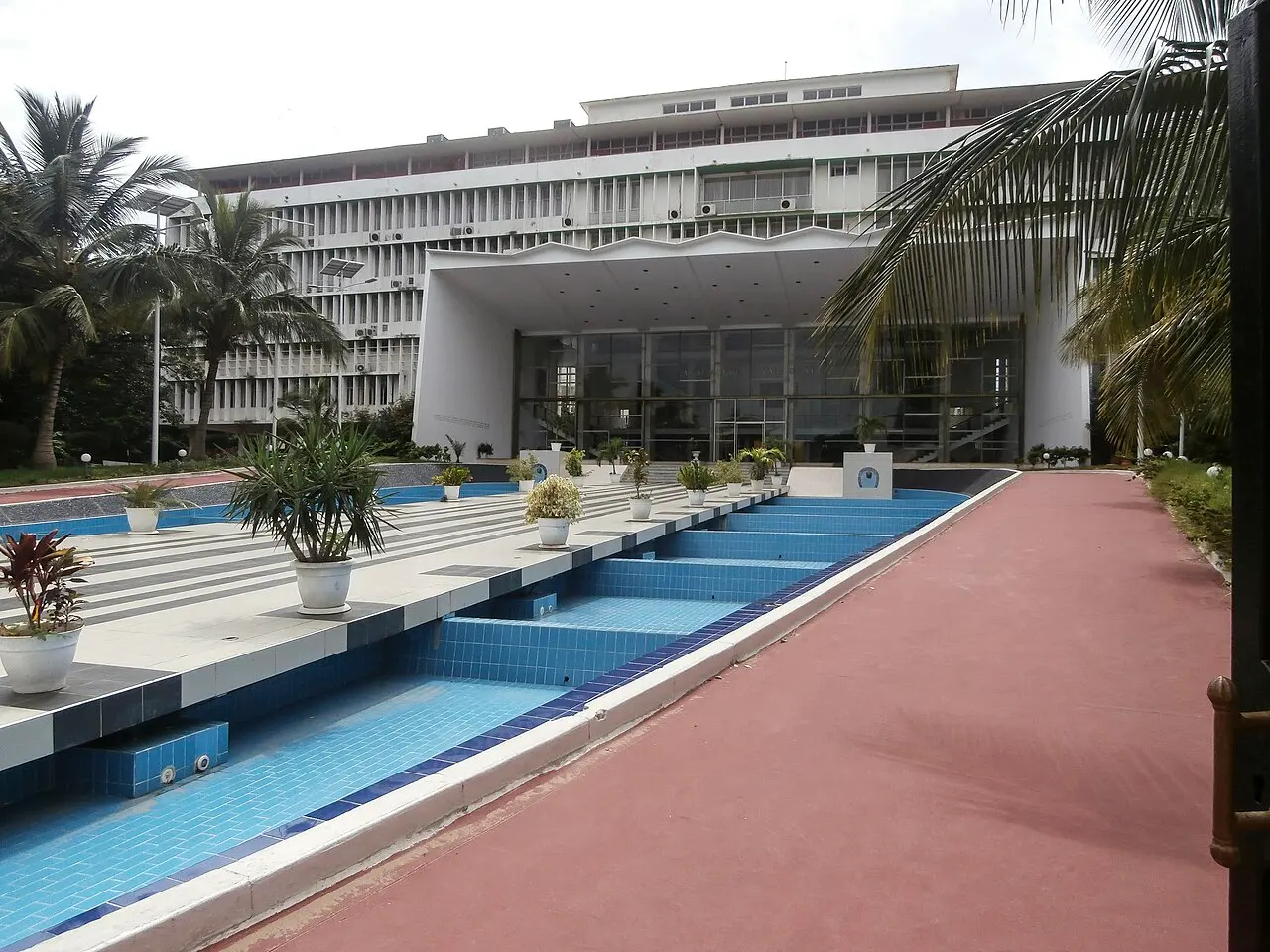
Senegal budget rejection: Ibn Bachir Ndao fears IMF deadlockajay_suresh · CC BY 2.0

Senegalese commentator Ibn Bachir Ndao says the rejection of the 2026 supplementary finance bill by 109 votes to 20 complicates budget implementation and weakens negotiations with the IMF over 2.2 billion dollars in financing. In reflections published by Exclusif, he calls for transparency on the figures and reconciliation between the government and opposition, according to Senego.

Professor and Senegalese commentator Ibn Bachir Ndao believes that the rejection of the 2026 supplementary finance bill complicates its implementation by the end of the year and weakens discussions with the IMF over 2.2 billion dollars in financing. He calls for greater transparency on the figures, reconciliation between the parties and a clear timetable, according to Senego.

Ibn Bachir Ndao also highlights expectations regarding youth employment, teachers’ conditions, agricultural policies, entrepreneurs and the cost of living. He recalls that oversight of the executive is among parliamentarians’ prerogatives, while believing that the government must accept challenges to its choices, according to Senego.

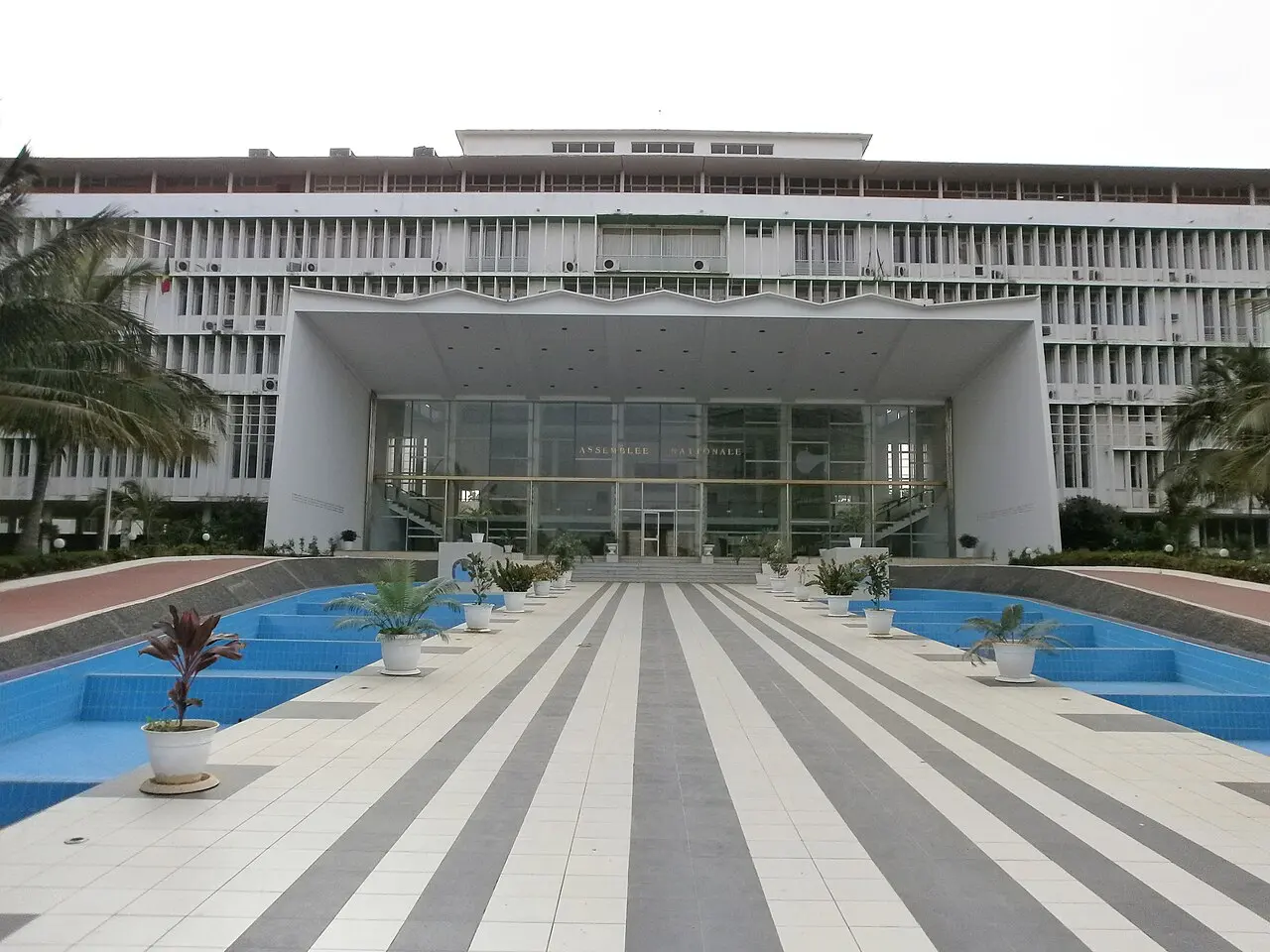
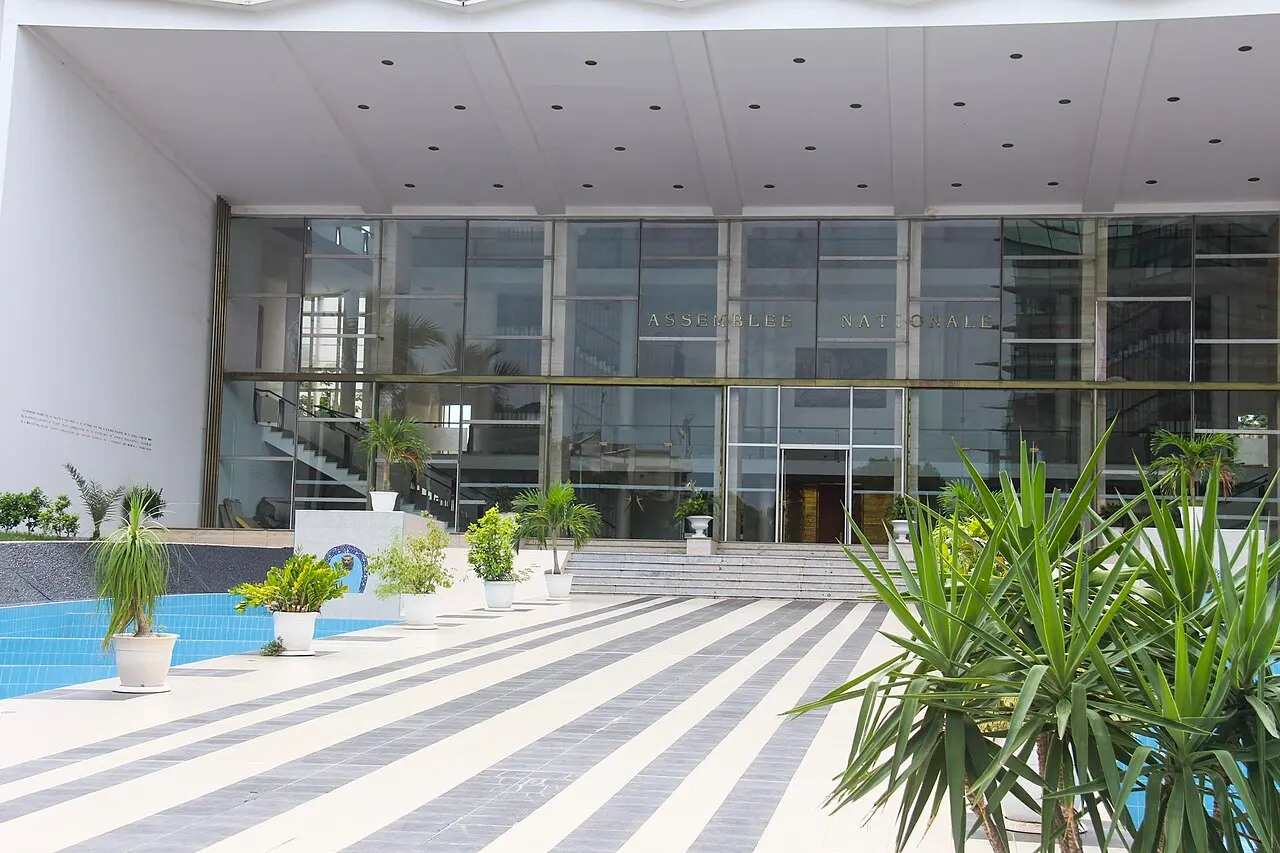
This analysis comes after the rejection of the 2026 supplementary finance bill by the National Assembly on 3 November, by 109 votes to 20. It also follows an economist’s warning about the consequences of the budget rejection, published on 4 November.
Share this article

Related stories

MPs reject Senegal’s 2027 education budget

Senegalese MPs rejected the 2027 budget of the Ministry of National Education, set at 980,813,105,069 CFA francs in payment appropriations. The allocation is down 1% from 2026, according to Senego, after debates by the expanded Finance Committee.

🇸🇳 Senegal · Source: Senego ·

In Senegal, Finance Committee rejects budgets for three ministries

In Senegal, the National Assembly’s Finance Committee, dominated by Pastef, rejected the 2027 budgets of the Energy, Mines and Education ministries on 11 November 2026. Several other ministerial appropriations were also rejected by the committee, while work is due to end on 14 November and the IMF still has to approve a $2.2 billion aid programme, according to RFI.

🇸🇳 Senegal · Source: RFI ·

Senegalese MPs reject 2027 fisheries budget of 33.7 billion CFA francs

The Finance Committee of Senegal’s National Assembly, expanded to include the Rural Development Committee, voted by a majority against the 2027 budget of the Ministry of Fisheries and Maritime Economy, defended by Minister Amy Mara Dièye. Payment appropriations amount to 33.7 billion CFA francs, compared with 32.5 billion in 2026. MPs criticised inconsistencies between the initial and revised finance laws and the absence of oversight documents, according to Seneweb.

🇸🇳 Senegal · Source: Seneweb ·

Senegalese MPs reject 2027 Mines budget of 7.4 billion CFA francs

The Senegalese Parliament’s Finance Committee rejected the proposed 2027 budget of the Ministry of Mines and Geology, set at 7.4 billion CFA francs. Minister Cheikhou Oumar Seck defended a priority for mineral development, allocated 5.8 billion CFA francs, and 3.1 billion CFA francs for investment, according to Seneweb.

🇸🇳 Senegal · Source: Seneweb ·

🇸🇳 Latest from Senegal

Map: SenegalLompoul sinking: five bodies found, death toll rises to 44Five new bodies were found on Wednesday 11 November on the Grande Côte, bringing the provisional death toll from the sinking of the Lompoul canoe to 44, according to Dakaractu. Four bodies were found at Saré Dao, in Thièppe commune, and one at Gandiol. Eleven bodies remain unidentified in morgues in Louga.All Senegal news →

Politics in West Africa

Cabo Verde presidential election: keys to a stable democracyCabo Verde presidential election: keys to a stable democracyAhead of the presidential election in Cabo Verde, the archipelago of 530,000 people remains one of Africa’s most stable democracies, with no coup since independence in 1975 and peaceful transfers of power. The president, elected by direct vote, has veto powers and can dissolve Parliament, but executive power rests with the prime minister, according to The Conversation Africa.All Politics news →

The week in Africa

This week’s highlights

  1. Dangote IPO attracts 5.85 trillion naira in subscriptions🇳🇬 Nigeria
  2. At COP31, Tshisekedi calls for payment for tropical forests🇨🇩 DR Congo
  3. Central African government suspends 13 November parade exercises🇨🇫 Central African Republic
  4. Eswatini PM orders EEC audit after 406m emalangeni loss🇸🇿 Eswatini
  5. 240,000 Nvidia chips reportedly moved to China🇨🇳 China
All of this week’s highlights →

Africa in your inbox

Be the first to get our letter in English: the essentials from every region of the continent, free.

Free · one email a week · unsubscribe in one click. Your address is only used to send you the letter, never sold. Personal data

← Back to the news