Cabo Verde presidential election: keys to a stable democracy
By the AFREEQUE newsroom, based on The Conversation
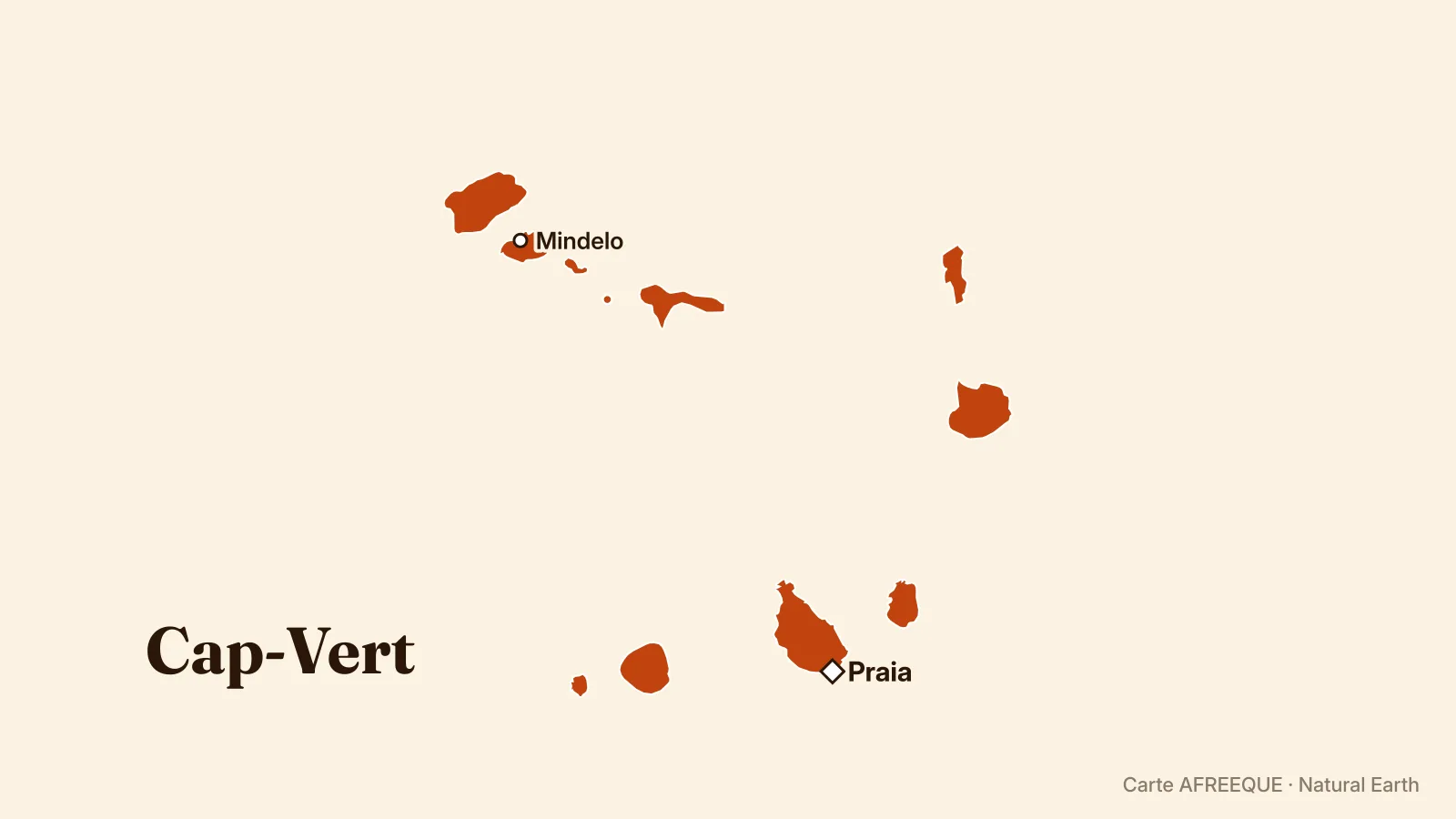
Ahead of the presidential election in Cabo Verde, the archipelago of 530,000 people remains one of Africa’s most stable democracies, with no coup since independence in 1975 and peaceful transfers of power. The president, elected by direct vote, has veto powers and can dissolve Parliament, but executive power rests with the prime minister, according to The Conversation Africa.
The presidential election on 15 November 2026 in Cabo Verde comes within a political system marked by more than three decades of multiparty competition and peaceful transfers of power. The country has experienced neither a coup nor a military takeover since its independence from Portugal in 1975, according to The Conversation.
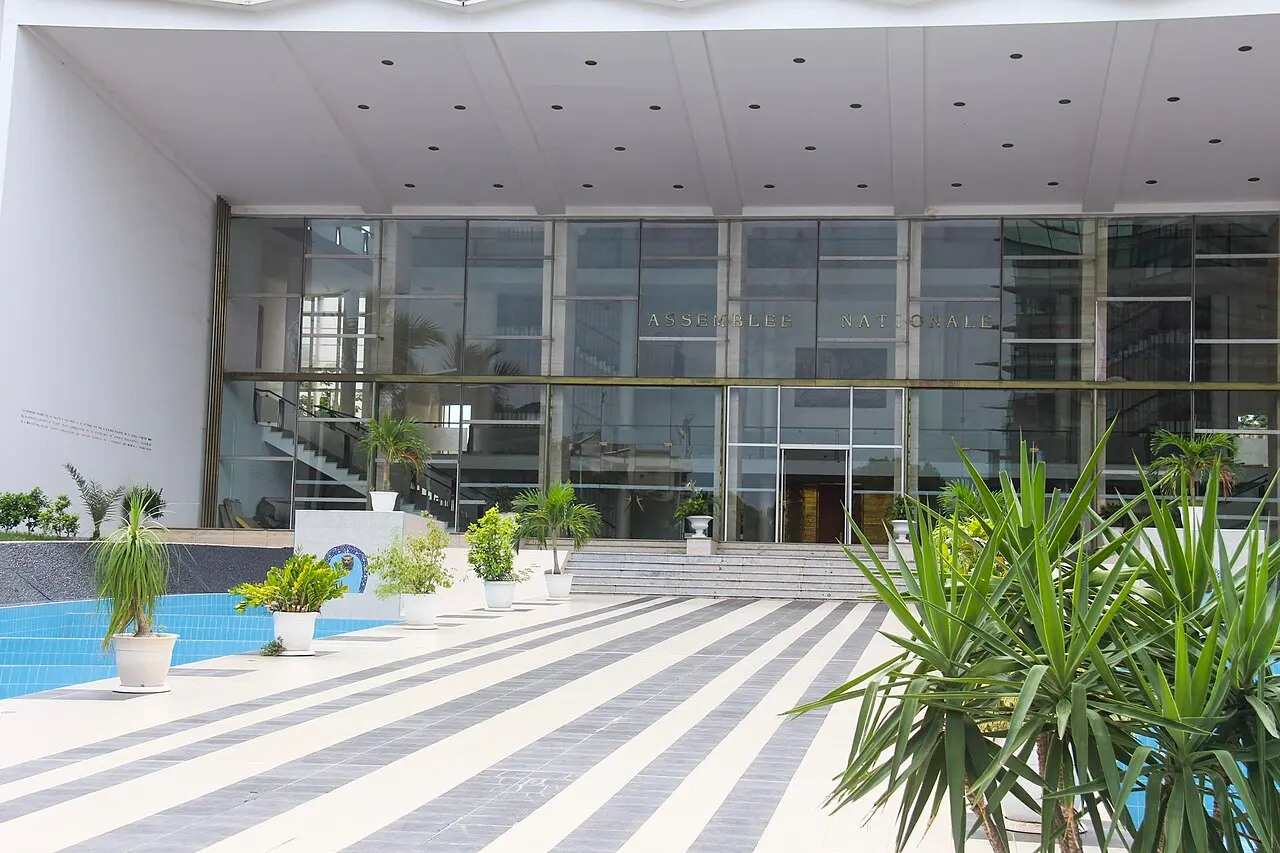
The president is elected by direct vote and can veto laws, request a constitutional review and, under certain conditions, dissolve the National Assembly. The prime minister, appointed by the president based on the results of legislative elections, heads the government and conducts public policy, according to The Conversation.
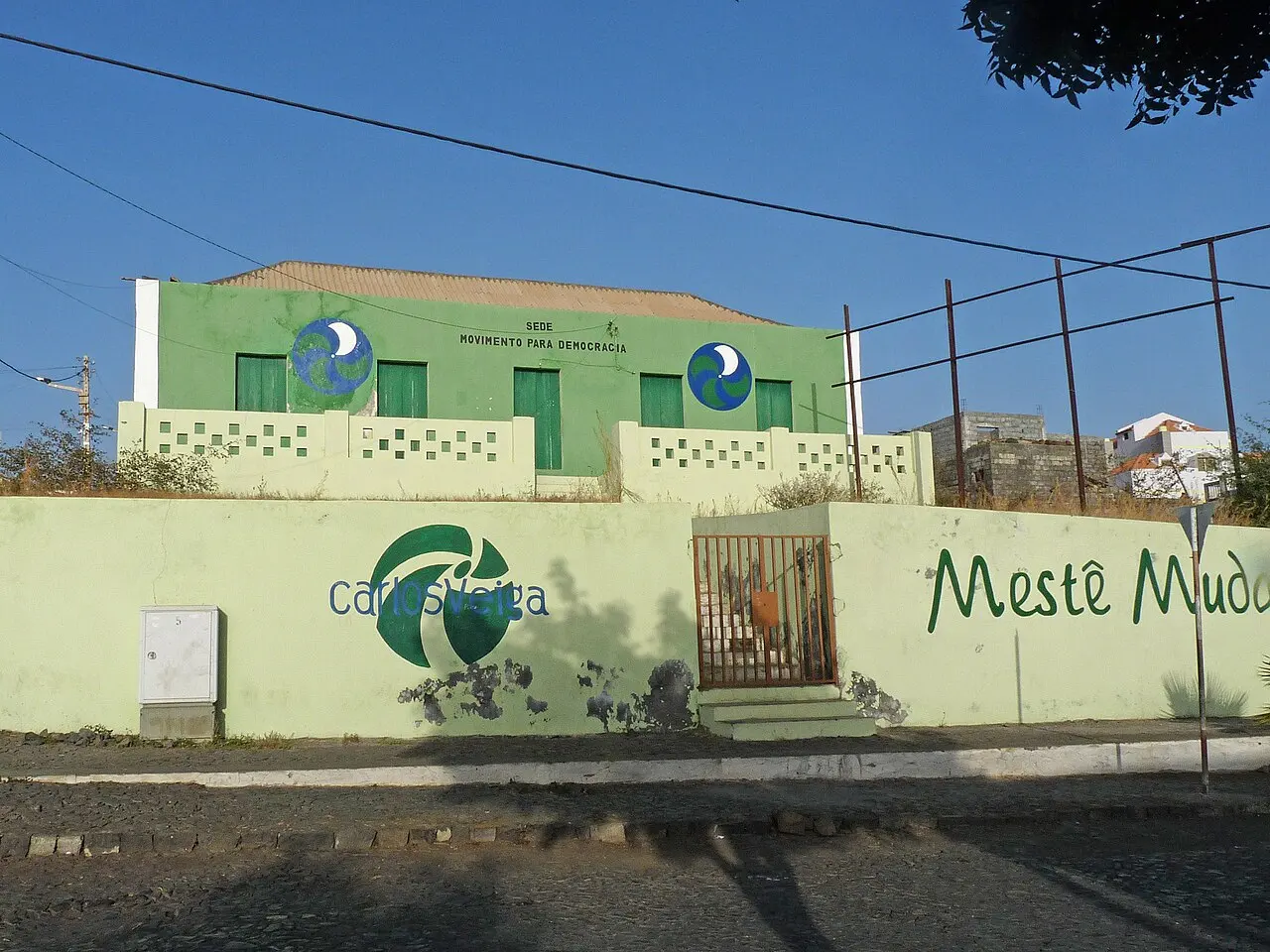
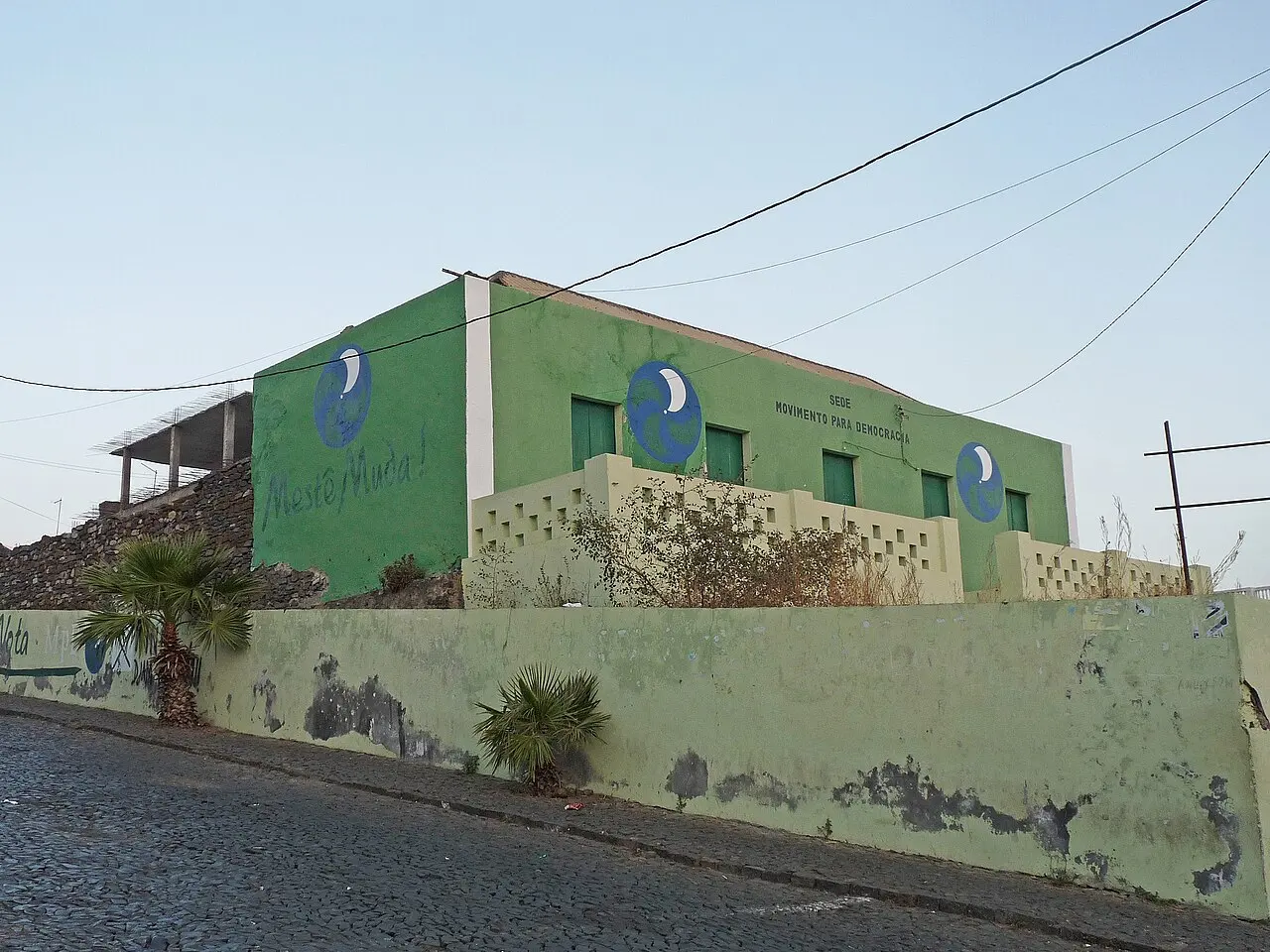
The African Party for the Independence of Cabo Verde returned to power after the May 2026 legislative elections, ending ten years of government by the Movement for Democracy. The Conversation considers that the presidential election will notably determine whether institutions can continue to function effectively when the president and prime minister belong to opposing political camps.