Sahara: one year after Resolution 2797, investment in question
By the AFREEQUE newsroom, based on Maroc Diplomatique
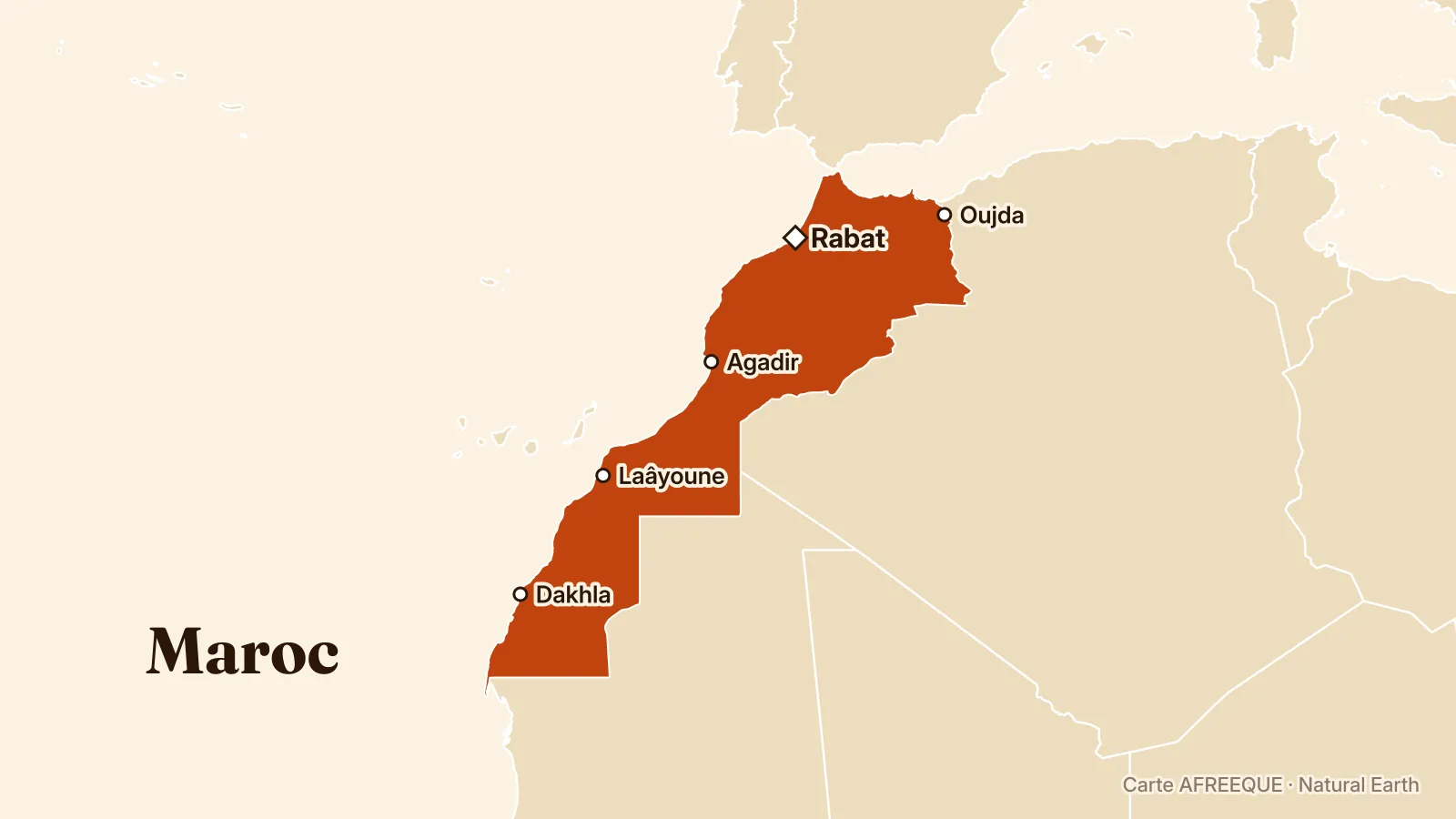
One year after the adoption by the Security Council of Resolution 2797, making Morocco’s autonomy plan the basis for negotiations on the Sahara, the author analyses how this recognition changes investors’ perception of risk in the southern provinces. The challenge remains to turn this confidence into projects, jobs and trade with Atlantic Africa, writes Mouhssine Zaher in Maroc Diplomatique.
The Tiznit-Dakhla expressway, more than 1,000 kilometres long, has been completed and connects Guelmim, Laâyoune and Dakhla to national corridors and the West African road, according to Mouhssine Zaher in Maroc Diplomatique. The Dakhla Atlantic port was more than 74% complete at the end of September 2026, with construction due to finish in 2028 and operations expected to begin in 2029.
The port project is to combine a deep-water platform with an industrial and logistics zone. In the energy sector, the South’s wind and solar resources are presented as a factor in attracting green hydrogen projects, as part of Morocco’s goal of increasing renewable energy to 52% of the electricity mix by 2030, according to Mouhssine Zaher.
On 4 October, Guterres had placed the Moroccan autonomy plan at the heart of negotiations on the Sahara. On 15 October, the UN had endorsed Moroccan autonomy as the basis for a settlement on the Sahara by 152 votes.