Renault Trucks abandons plans to restart Meftah plant
By the AFREEQUE newsroom, based on Algérie Eco and Algérie 360
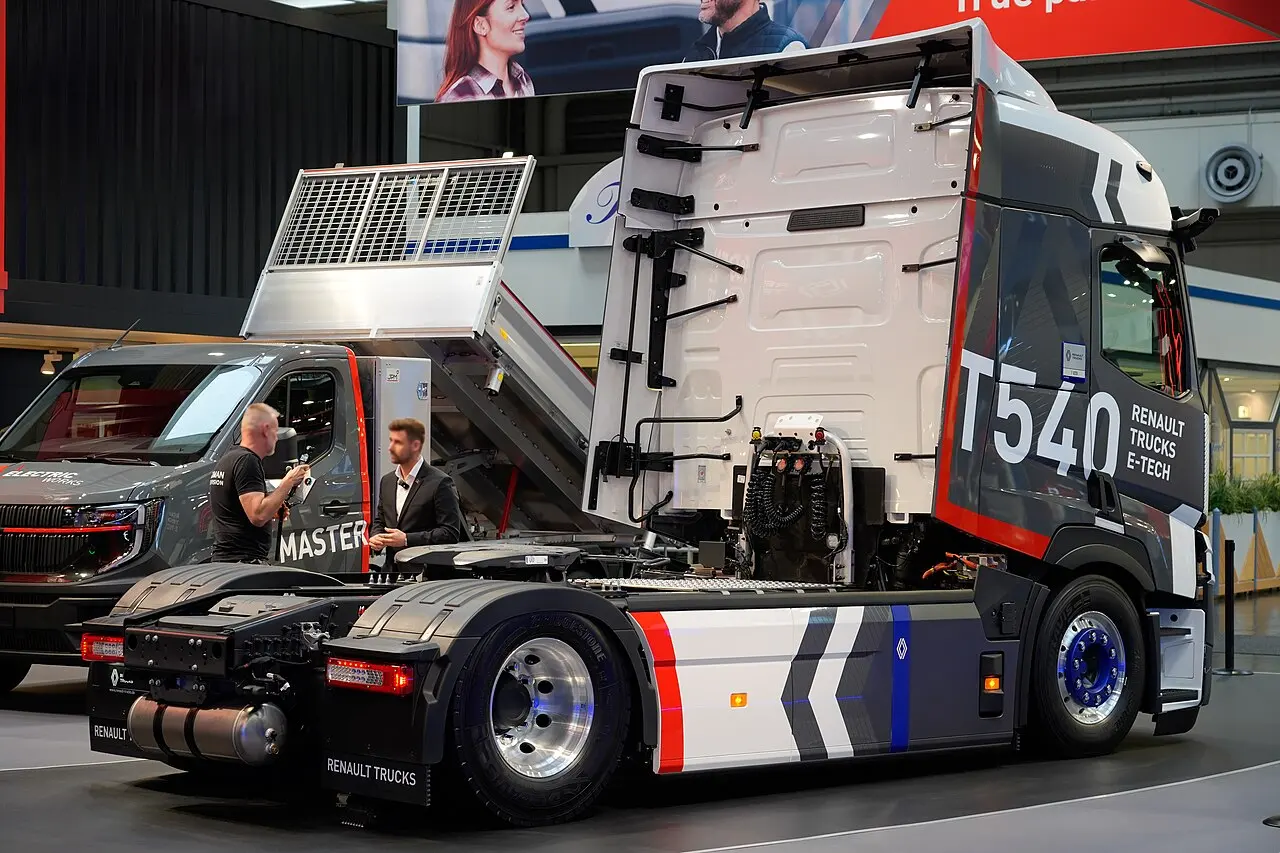
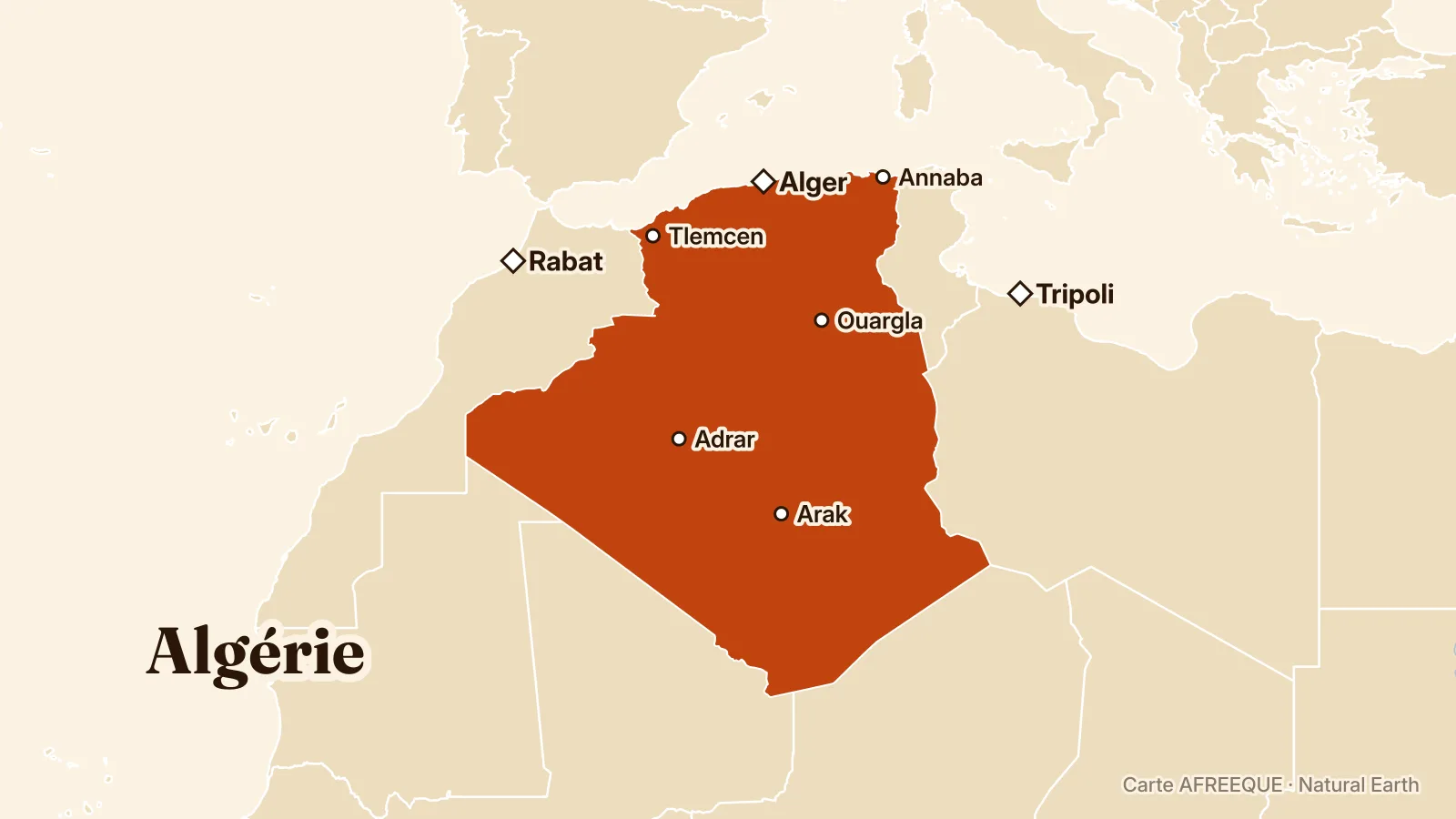
Renault Trucks has abandoned plans to restart its Meftah truck assembly plant, in Blida province, which has been shut since November 2020. The French manufacturer dropped efforts to obtain a new licence, according to El Watan, citing Africa Intelligence. The plant, operated by SPA Soprovi Algérie, created through a partnership with Algerian group BSF Souakri, faced local integration requirements.
Renault Trucks has abandoned plans to restart its Meftah truck assembly plant, in Blida province, by dropping efforts to obtain a new licence, according to El Watan, citing Africa Intelligence. The unit, operated by SPA Soprovi Algérie, has been shut since November 2020.
The site was established under an agreement signed in April 2016 between Renault Trucks and Algerian group BSF Souakri, with the foundation stone laid in January 2017. The announced investment reached 20 million euros, for an initial capacity of 2,000 trucks a year and nearly 500 direct and indirect jobs. Production began in March 2019, with the assembly of Renault Trucks' C and K ranges and Volvo Trucks' FH and FM models. About 130 vehicles had been marketed before the announcement, in March 2020, of the arrival of two versions of the D range, followed by the suspension of assembly and sales in November of the same year.
The application for a new licence, submitted under the new automotive industry regulations and confirmed in April 2023 by the Ministry of Industry, met with a refusal with reservations in May 2025. The main sticking point concerned local integration, with authorities requiring a rate of 30% after five years of activity, while the managers at the time were targeting 40% to 60% in the long term through a network of local subcontractors.
Renault Trucks is now concentrating its operations in Algeria on after-sales service, the supply of spare parts and technical training programmes for the existing vehicle fleet. The future of the Meftah facilities and the capital invested by the two partners remains uncertain.